

If you have a sourdough starter—or just a loaf that’s gone a little stiff on the counter—you have the secret weapon for making the absolute greatest French toast of your life. Seriously, forget that soggy, floppy stuff you sometimes get when using standard white bread! Sourdough is sturdy; it holds up to a rich custard soak like a champ. I swear by this exact method because it creates that beautiful contrast: that slightly tangy, custardy center tucked inside gorgeously golden, crispy edges. This stovetop sourdough french toast recipe is foolproof, especially if you, like me, are trying to make sure no loaf goes to waste. It’s my go-to for an easy weekend brunch that feels incredibly special. If you ever need a refresher on the classic version, I use this great recipe over at classic French toast, but for sourdough, you need this specific technique!
Why Sourdough Makes the Best Sourdough French Toast
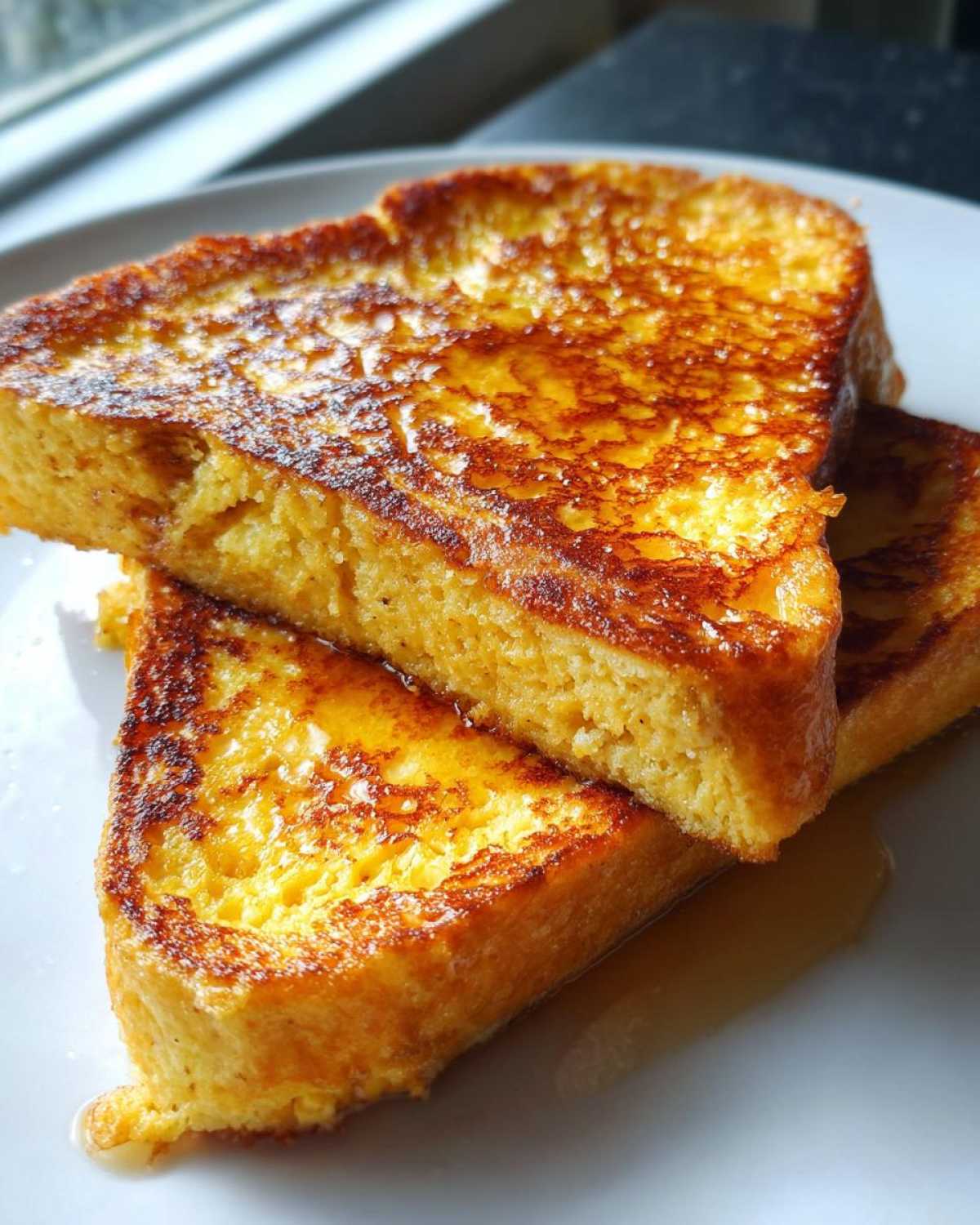
The tangy character of sourdough is fantastic, but honestly, the texture is why I insist on using it for breakfast. Regular bread just can’t handle the rich egg and cream soak we use here; it turns to mush way too fast. Sourdough, especially if it’s a day old, has a tighter structure. It drinks up that custard beautifully—getting the interior completely moist and almost creamy—while the outside shell stays structured enough to get beautifully crisp when it hits the hot pan. It’s easily one of the best sourdough breakfast ideas because it maximizes that fantastic texture differential.
Achieving Custardy Interior and Crispy French Toast Edges
Think of sourdough as a little sponge that only soaks up the goodness, not the water. That slightly drier crumb structure, often due to the fermentation process, means the bread doesn’t instantly collapse when dunked. You get to soak it for a good 20 seconds per side, letting that rich cinnamon flavor really sink into the bread, but it never gets sloppy. That initial firmness means the moment it touches the buttered griddle, you create a fantastic barrier. That barrier locks in moisture while allowing the edges to achieve that perfect, slightly chewy, beautifully browned crispiness we all love in a great French toast!
Essential Ingredients for Perfect Sourdough French Toast
Okay, now for the fun part: gathering our supplies! Because we’re relying on the structure of sourdough, the ingredients here are pretty straightforward, but the quality really matters for the **best french toast recipe**. I always use bread that’s at least a day old—it just performs better! You want those slices thick, too, maybe about 3/4 of an inch. That thickness is what allows them to soak up nearly all the creamy custard without turning into soup on your spatula. Trust me on the thick-cut recommendation; it’s a game-changer for getting that **thicker french toast** everyone raves about.
Ingredient List for Stovetop Sourdough French Toast
Here’s what you need to gather up for a perfect quick batch:
- 6 slices sourdough bread (about 3/4 inch thick)
- 3 large eggs
- 1/2 cup whole milk
- 1/4 cup heavy cream
- 1 teaspoon vanilla extract
- 1/2 teaspoon ground cinnamon
- 1/8 teaspoon ground nutmeg
- 1 tablespoon granulated sugar
- Butter or oil for the griddle
Mastering the Stovetop Sourdough French Toast Instructions
This is where things get exciting! Making perfect **sourdough french toast** on the stovetop is all about rhythm and timing. We aren’t trying to drown the bread; we are giving it a rich, flavorful bath before it heads to the heat. Get your griddle ready right after you mix the custard because you want everything moving quickly once the soaking starts. If you’re looking for other speedy breakfast ideas, check out this easy french toast recipe for quick backups!
Preparing the Custard Soak for Your Sourdough French Toast
First things first: the custard. Grab a shallow dish—something wider than your bread slice, which makes dunking easier later. Whisk those three eggs together until they are totally homogenous, then pour in the milk, that lovely heavy cream, vanilla, sugar, nutmeg, and cinnamon. Don’t be skimpy on the whisking here! You want every speck of spice and sugar fully incorporated so you don’t end up with pockets of just egg white on one side of your toast. Mix until it looks like one creamy, pale yellow mixture. That color tells you the flavor is going to be even.
The Soaking Technique for Custardy Sourdough French Toast
Heat your skillet or griddle over medium heat. I never put the butter down until the pan is warm—that keeps the fat from soaking straight into the bread and getting that greasy texture we hate. Now for the soak! Because sourdough is so sturdy, you can let those slices sit for about 20 to 30 seconds per side. That’s much longer than regular bread! Don’t worry; it won’t fall apart. It’s absorbing all that richness to finally achieve that truly **custardy french toast** center.
Cooking for Golden Brown Sourdough French Toast
Lay the soaked bread gently onto the hot, buttered surface; don’t crowd the pan! You want to cook them for about three to four minutes per side. This is my biggest secret: watch the heat! If you notice those edges browning too fast—like dark brown in under a minute—the heat is too high. Turn it down slightly to medium-low. You need that gentler heat to let the inside set without burning the outside before you get those perfect, **crispy french toast edges**.

Tips for the Ultimate Sourdough French Toast Success
We’ve made the custard and mastered the stovetop dance, but sometimes those extra little touches make the difference between good French toast and truly legendary sourdough french toast. I pull these pointers straight from my years of practice trying to get that perfect texture every single time. If you end up with extra batter after dunking your slices, try making some fluffy sourdough pancakes later—I love that recipe over here!
How to Use Old Sourdough Bread for Sourdough French Toast
I can’t say this enough: stale is best! If your sourdough loaf has started to feel stiff and dry—maybe it’s been sitting out for two days—that’s prime time for French toast. The starch has tightened up, which means it’s ready to absorb moisture without getting soup-like. If your bread is *too* hard, though, don’t panic! Just give it a very quick, light toast in the oven or toaster first. You just want to take the *edge* off the staleness, not cook it through. It needs to be slightly firm, not cracker-hard, when you dunk it.
Making Thicker French Toast Slices
Whenever I slice my sourdough loaf specifically for this dish, I always grab the serrated knife and aim for at least 3/4 of an inch thick. Anything thinner and you risk losing that beautiful creamy center we worked so hard to build in the custard mix. If you want a truly impressive, **thicker french toast** that feels like a serious meal, go even a hair thicker! The extra thickness gives the exterior more surface area to brown wonderfully, giving you those satisfyingly dark, **crispy french toast edges**.
Serving Suggestions for Your Sourdough French Toast
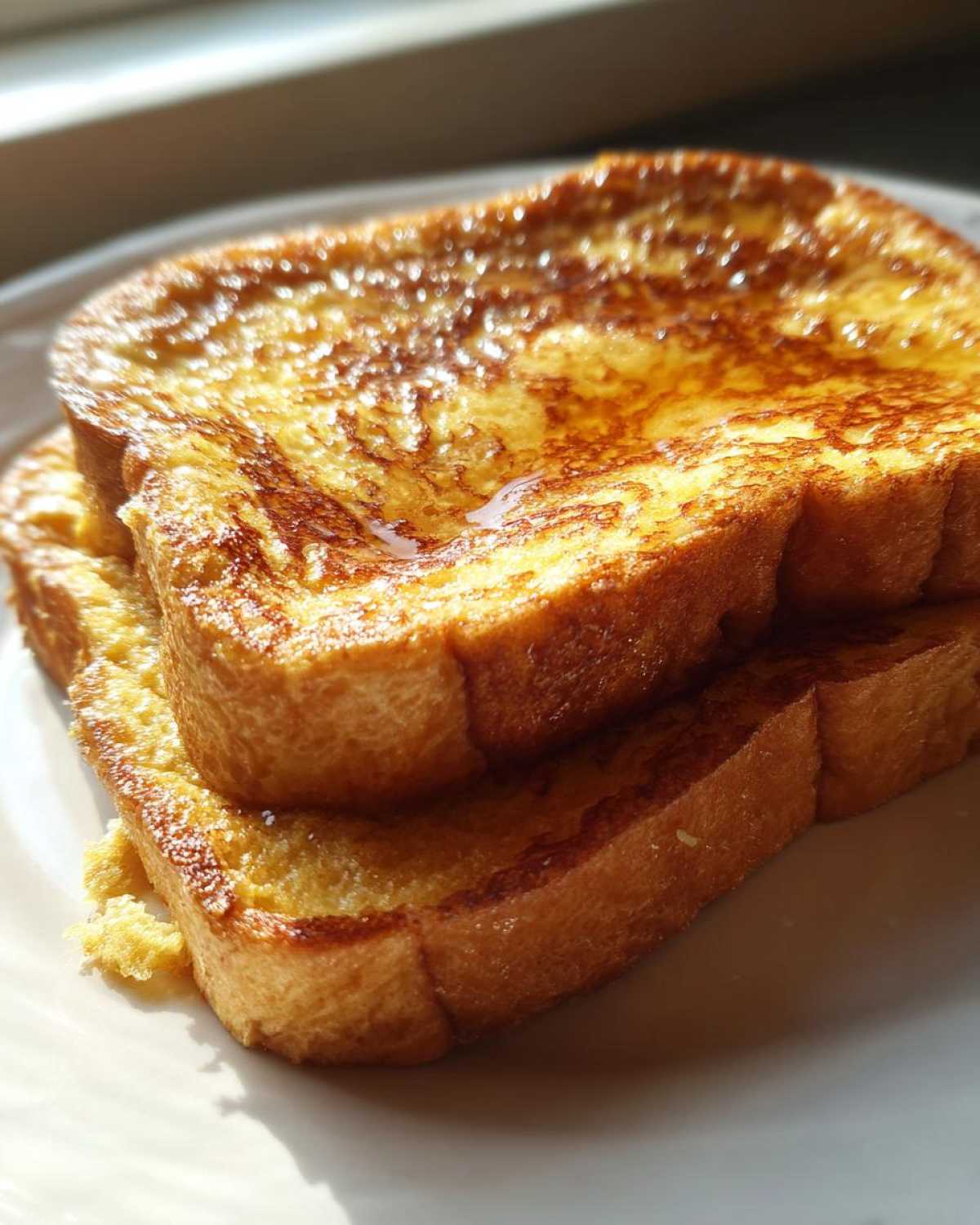
Honestly, part of what makes this such an amazing choice for **easy weekend brunch recipes** is what you put on top! The slight tang of the sourdough pairs really well with sweet and slightly tart flavors. We always start with a drizzle of real maple syrup, of course. But don’t stop there! I love making a quick batch of homemade jam—this raspberry jam recipe is my favorite, and the tartness cuts through the richness perfectly.
If you’re feeling decadent, a dollop of fresh whipped cream and some toasted pecans on top make it feel fancy without any extra cooking effort. Sometimes my kids just love a light dusting of powdered sugar, which melts just slightly into those nooks and crannies from the sourdough. So much flavor, so little time!
Storage and Reheating Sourdough French Toast
Don’t let the good times end when you run out of griddle space! If you have leftovers, you can store these beauties in the fridge layered between parchment paper for about two days. When you’re ready to reheat them, the secret is avoiding the microwave, which just steams everything and ruins that crispy crust. I always aim for dry heat!
Pop the slices directly onto a baking sheet and reheat them in a moderate oven, say around 350°F (175°C), for about five to eight minutes. This warms them through and crisps up those edges again so it tastes almost freshly made. It’s an easy way to enjoy this **sourdough breakfast idea** later in the week!
Variations: Spice Up Your Sourdough French Toast
While the base recipe with just cinnamon and nutmeg is truly divine, sometimes you just want to shake things up a bit, right? It’s fun to treat this as a starting point for your own **spiced french toast** creations! Since sourdough has that little bit of tang, it handles bolder flavors really well. You absolutely don’t need a whole new recipe; a few tweaks to the custard mixture go a long way toward totally different flavors.
Adding Flavor to the Custard Base
If you want to elevate this beyond the basics, my favorite secret weapon is citrus zest. Grab a microplane zester and shave off the zest of one entire orange or lemon directly into the egg mixture before you whisk everything together. Wow! That bright, fresh oil cuts through the richness of the cream and complements the slight sourness of the bread perfectly. It makes the whole kitchen smell amazing!
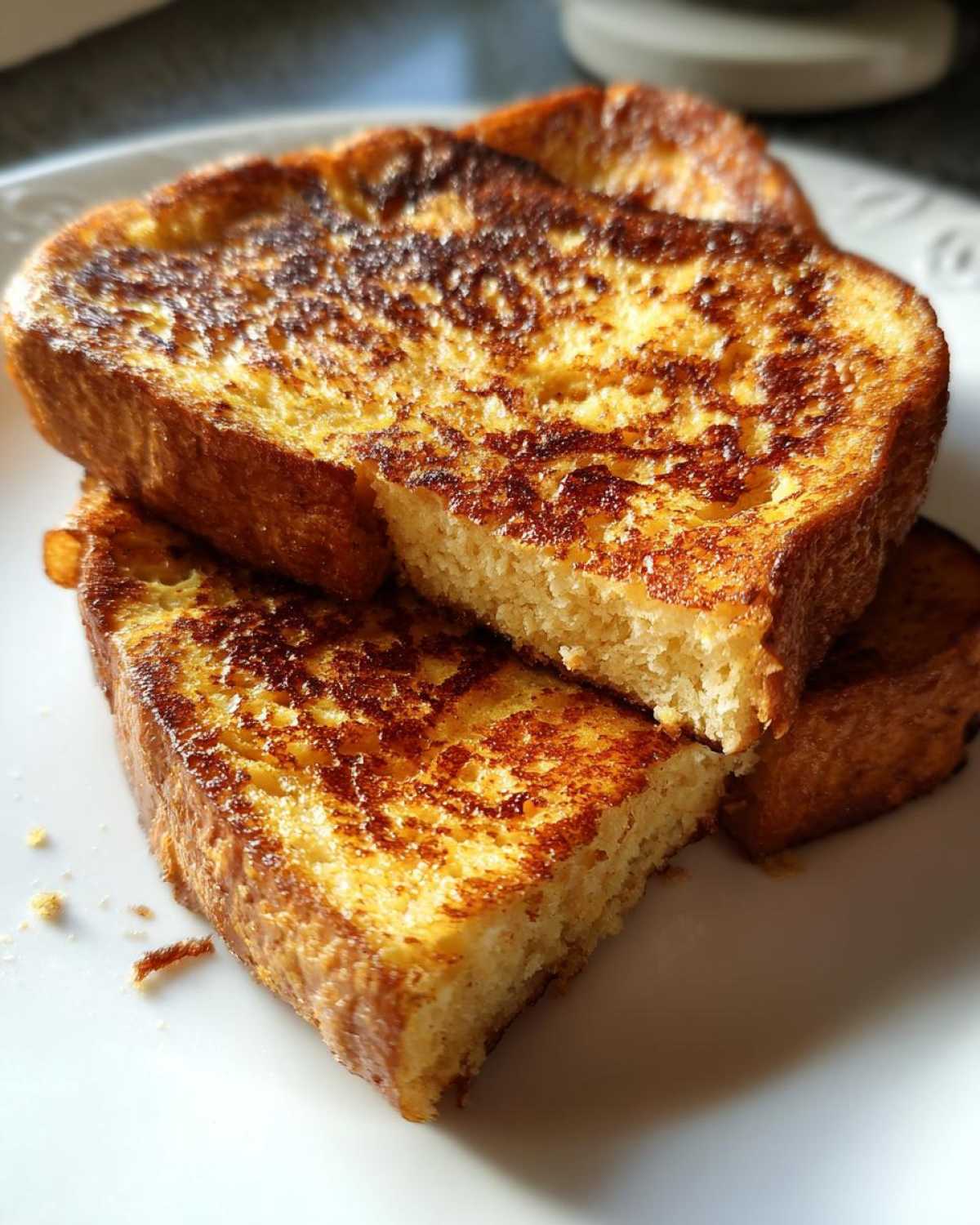
Another thing I sometimes do, especially around the holidays, is swap out a tiny bit of that granulated sugar for brown sugar, just a teaspoon, to add depth. If you’re feeling really adventurous, throw in a 1/4 teaspoon of ground cardamom alongside your cinnamon. Cardamom gives a warm, slightly floral spice that makes the toast feel super gourmet. Just remember to whisk it in really well so you don’t get any clumps in your beautiful **custardy french toast**!
Frequently Asked Questions About Sourdough French Toast
It’s funny how many questions pop up once you switch to sourdough for a recipe you thought you knew inside and out! Don’t worry at all, these are all totally valid concerns, especially when you’re trying to upgrade your standard morning routine into something amazing for **easy weekend brunch recipes**. I’ve gathered the things I get asked most often about making the ultimate batch of **sourdough french toast**.
Can I use fresh sourdough bread instead of day-old bread for this sourdough french toast?
Oh, absolutely you can! If you’re making this on a whim and only have a soft, fresh loaf, go for it. But you have to change your soaking time. Fresh bread is practically begging to disintegrate, so instead of leaning into that 30-second soak we love, dip it very quickly—maybe 10 to 15 seconds per side max. You still want it to absorb some custard, but not so much that it can’t handle the heat. If you’re worried, you can even give the fresh slices a real quick, light toast in the oven for just a few minutes beforehand; that dries out the surface just enough!
Can this sourdough french toast recipe be made into a casserole?
That’s a wonderful thought, especially if you’re hosting a big group! While this specific formula is designed for the speed and texture of **stovetop french toast**, the same bread and custard base works beautifully for a baked casserole. If you decide to turn this into a make-ahead situation, I highly suggest looking up a dedicated **make ahead breakfast casserole** recipe. It usually involves cutting the bread into cubes and letting it sit overnight in the custard bath before baking in the morning. It’s great for feeding a crowd!
What is the best way to keep sourdough french toast warm while cooking the rest?
Keeping things warm without letting them turn soggy is key! Once a piece is perfectly golden brown and done cooking, don’t just stack them on a plate. Stack them on a wire cooling rack set over a baking sheet. Pop that sheet into your oven, but keep the temperature very low—set it to about 200°F (or 95°C). The rack lifts the toast so air can circulate underneath, preventing steam buildup that makes the bottom soggy, and that low oven heat keeps everything perfectly warm until you’re ready to serve the whole plate! For more ideas on planning these morning feasts, check out my favorites in easy weekend brunch recipes.
Nutritional Estimate for This Sourdough French Toast
Now, I’m not a nutritionist, so please view these numbers as a general ballpark estimate based on the ingredients we used for two slices of this amazing **sourdough french toast**. Every loaf of sourdough is different, and what you top it with changes things fast! These figures are based purely on the bread, eggs, and custard mix itself. It’s good to know what you’re working with when you serve up this delicious **comfort food breakfast**!
- Serving Size: 2 slices
- Calories: 350
- Sugar: 8g
- Sodium: 350mg
- Fat: 18g
- Protein: 14g
Remember, this estimate is for the base recipe only! If you end up drizzling on half a cup of syrup, those numbers are going to shoot right up. Enjoy every bite, knowing that the hard work of baking that perfect sourdough loaf paid off in one incredible breakfast!
Print
Stovetop Sourdough French Toast
- Total Time: 20 min
- Yield: 3 servings
- Diet: Vegetarian
Description
Make thick, custardy French toast with a crispy exterior using sturdy sourdough bread. This recipe works well with day-old loaves.
Ingredients
- 6 slices sourdough bread (about 3/4 inch thick)
- 3 large eggs
- 1/2 cup whole milk
- 1/4 cup heavy cream
- 1 teaspoon vanilla extract
- 1/2 teaspoon ground cinnamon
- 1/8 teaspoon ground nutmeg
- 1 tablespoon granulated sugar
- Butter or oil for the griddle
Instructions
- In a shallow dish, whisk together the eggs, milk, heavy cream, vanilla extract, cinnamon, nutmeg, and sugar until fully combined.
- Heat a large skillet or griddle over medium heat. Add a small amount of butter or oil.
- Dip each slice of sourdough bread into the egg mixture, allowing it to soak for about 20 to 30 seconds per side. Sourdough is sturdy, so it can absorb more liquid without falling apart.
- Place the soaked bread onto the hot griddle, ensuring not to overcrowd the pan.
- Cook for 3 to 4 minutes per side, until the toast is golden brown and cooked through in the center. Adjust the heat if the outside browns too quickly.
- Remove the cooked French toast from the griddle and serve immediately with your preferred toppings.
Notes
- Using day-old or slightly stale sourdough bread results in a better texture, as it soaks up the custard without becoming overly mushy.
- For thicker toast, use bread slices that are at least 3/4 inch thick.
- If you prefer a sweeter coating, dust the finished toast lightly with powdered sugar before serving.
- Prep Time: 5 min
- Cook Time: 15 min
- Category: Breakfast
- Method: Stovetop
- Cuisine: American
Nutrition
- Serving Size: 2 slices
- Calories: 350
- Sugar: 8
- Sodium: 350
- Fat: 18
- Saturated Fat: 9
- Unsaturated Fat: 9
- Trans Fat: 0
- Carbohydrates: 35
- Fiber: 2
- Protein: 14
- Cholesterol: 180



Comments are closed.