
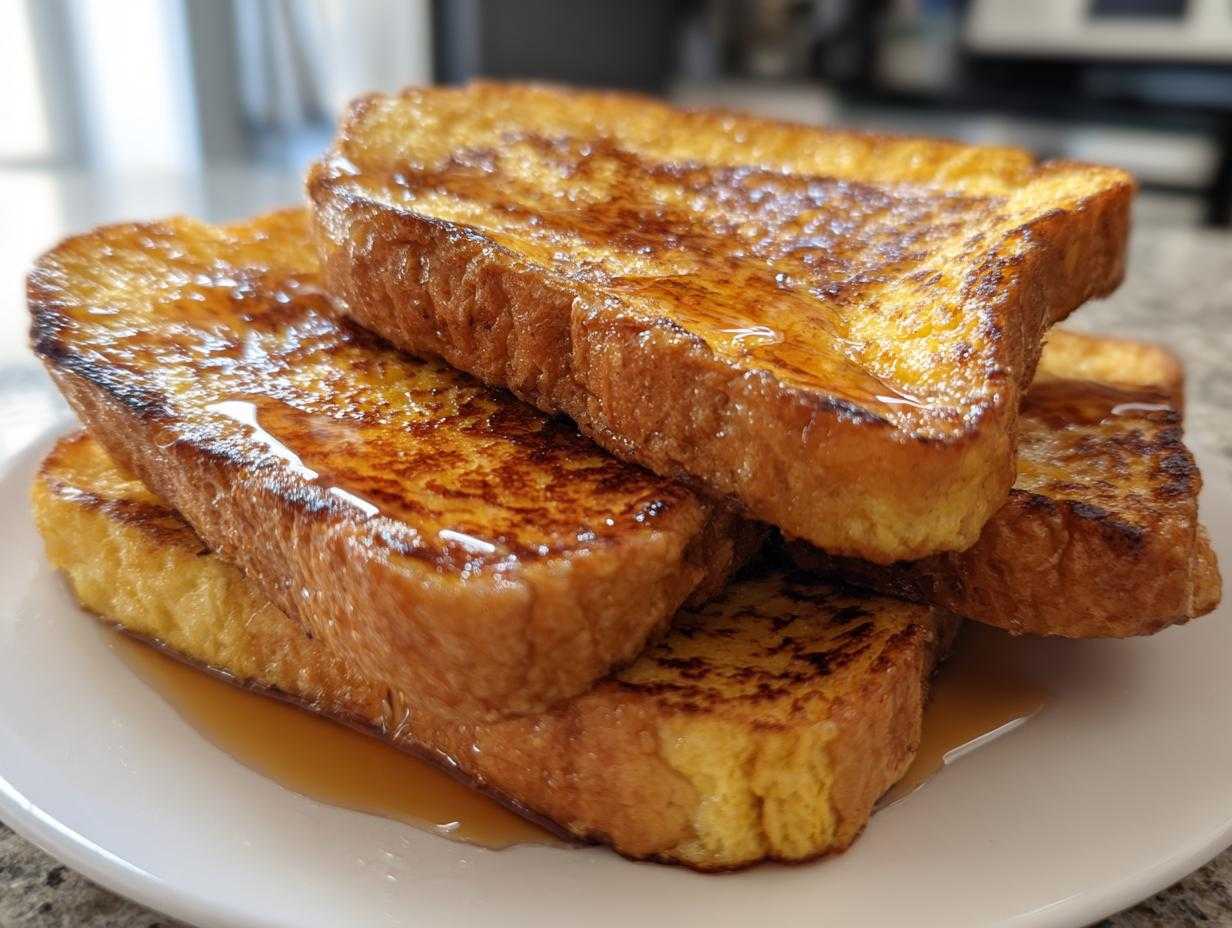
Ah, breakfast! While my heart often sings the songs of Italian mornings filled with strong espresso and sweet pastries, sometimes you just need that perfect, comforting, golden plate of sunshine. And for that, we turn to the king of weekend creations: French toast. Forget those floppy, soggy slices you made in college! Today, we unlock the secrets to making truly exceptional classic french toast recipe—the kind that boasts spectacularly crispy edges guarding a rich, custardy center. It’s what my grandmother would call a dish made with love and attention. Trust me, mastering the balance is easier than you think, and these techniques will elevate your brunch game instantly. You can find my quick guide for a speedy version right here if you’re in a rush, but stick with me for the absolute best version!
Why This Classic french toast Recipe Is Your New Weekend Favorite
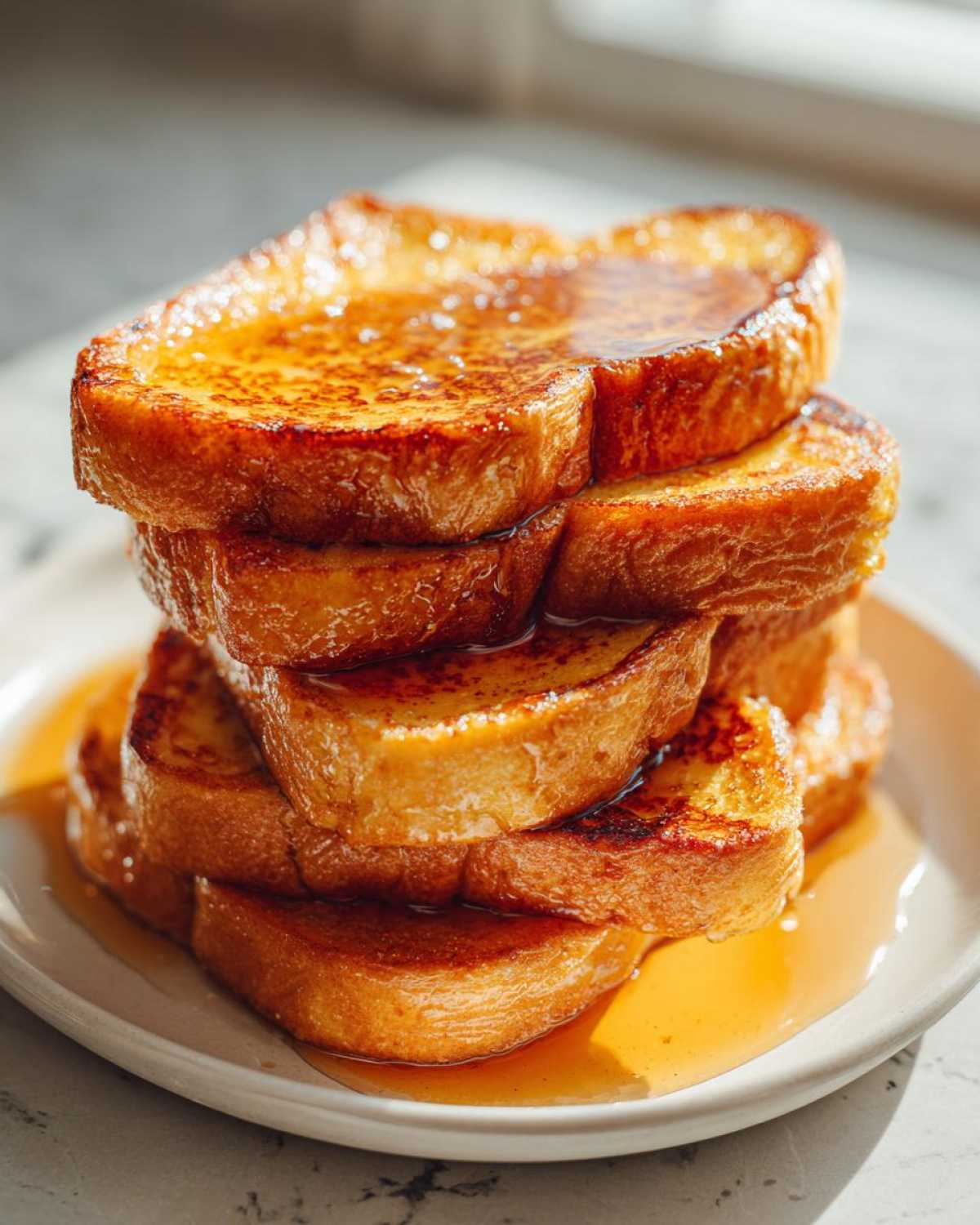
Why bother with this recipe when so many others exist? Because this version guarantees perfection, every time. We aren’t just making breakfast; we are creating an easy brunch recipe that feels gourmet. The result is that sought-after texture combination that defines stellar weekend breakfast ideas: soft inside, crisp outside. You won’t go back once you try this!
Achieving Fluffy french toast Centers
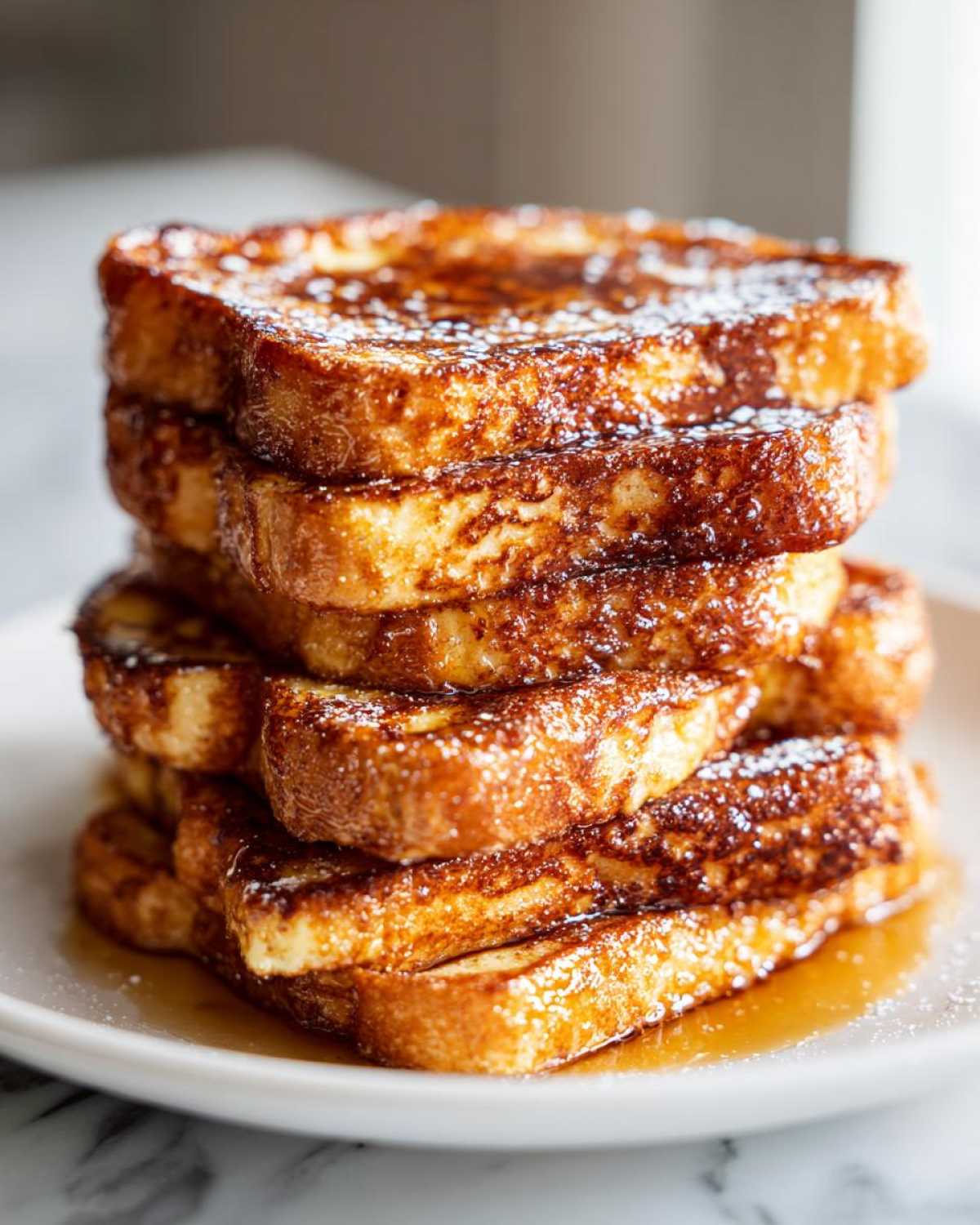
The secret to truly fluffy french toast isn’t fluffing the bread, silly! It’s all about the custard base we build, combined with using a thick-cut loaf. When the bread soaks just right, leaving the very center tender, you get that exquisite, soft mouthfeel.
Mastering Crispy french toast Edges
Crispy edges come down to two things I learned from my mother: medium-low heat and using enough real, unsalted butter. The lower heat cooks the thick center through beautifully while the butter sizzles just enough to caramelize the outside beautifully without burning before the inside sets.
Gathering Ingredients for Perfect french toast
Now we get down to the heart of it: the ingredients! You can use what you have, but if you want the best, take a little extra care here. Quality counts, especially for something as simple as magnificent french toast. I always measure my milk and cream carefully; you need enough to make a rich bath for the bread, but not so much that it becomes watery. Remember, we want richness for that custardy center!
Here is what you’ll need for four servings. Don’t panic if you don’t have heavy cream; half-and-half is a wonderful substitute, or even whole milk, but the cream really bumps up the decadence factor!
- 8 slices thick bread (Challah or Brioche recommended)
- 4 large eggs
- 1/2 cup whole milk or half-and-half
- 1/4 cup heavy cream
- 1 teaspoon vanilla extract
- 1 teaspoon ground cinnamon
- 1/4 teaspoon ground nutmeg
- Pinch of salt
- 2 tablespoons unsalted butter, for cooking
Bread Selection for the Best french toast
This is where so many people go wrong! You absolutely need thick bread. Thin, flimsy sandwich bread turns to mush before it even hits the pan. When I make this french toast, I always look for a loaf of Challah or Brioche—the richness from the eggs already in those breads makes the final product taste heavenly. Another trick? Use bread that is one or two days old. Stale bread acts like a sponge, soaking up all that rich custard without disintegrating under the pressure of the sauté pan. If your bread is fresh, just leave the slices out on the counter for an hour while you prep the batter!
Step-by-Step Instructions for Custardy french toast
Alright, let’s bring this incredible breakfast to life! As I mentioned growing up in Italy, precision in the mixing bowl is key to flavor distribution. Don’t rush this part! We want one beautiful, spiced bath for our bread, not streaks of egg white running through your final slice of french toast.
Creating the Ideal Custard for your french toast
In a shallow dish—I prefer wide and shallow so I can lay the bread flat—whisk those eggs, creams, milk, vanilla, cinnamon, nutmeg, and that little pinch of salt until everything is happy and combined. You want a uniform, pale yellow color. If you see any streaks of egg yolk or white, keep whisking! This ensures every molecule of bread receives the same rich, flavorful coating of your easy french toast custard.
Now for the crucial soak time. For Challah or Brioche, I let each side sit in that mixture for a good 15 to 20 seconds. Longer than that, and you risk sogginess! You want the custard to permeate the bread—that’s what gives you that glorious, baked-custard texture inside the golden shell.
Cooking Technique for Golden-Brown french toast
Heat management is non-negotiable here for achieving those perfect crispy french toast edges! Set your griddle to medium-low. Seriously, low! Too high, and the outside burns before the center has a chance to set into that creamy dream. Melt your butter—and use the butter, please, the flavor is unmatched—until it’s foamy, then lay your coated slices down, making sure they have space. Cook them slowly, about three to five minutes per side. If they look brown too fast, turn the heat down immediately! Keep the finished slices warm on a rack set over a baking sheet in a low oven (around 200°F) while you finish the batch.
Expert Tips for Next-Level french toast Success
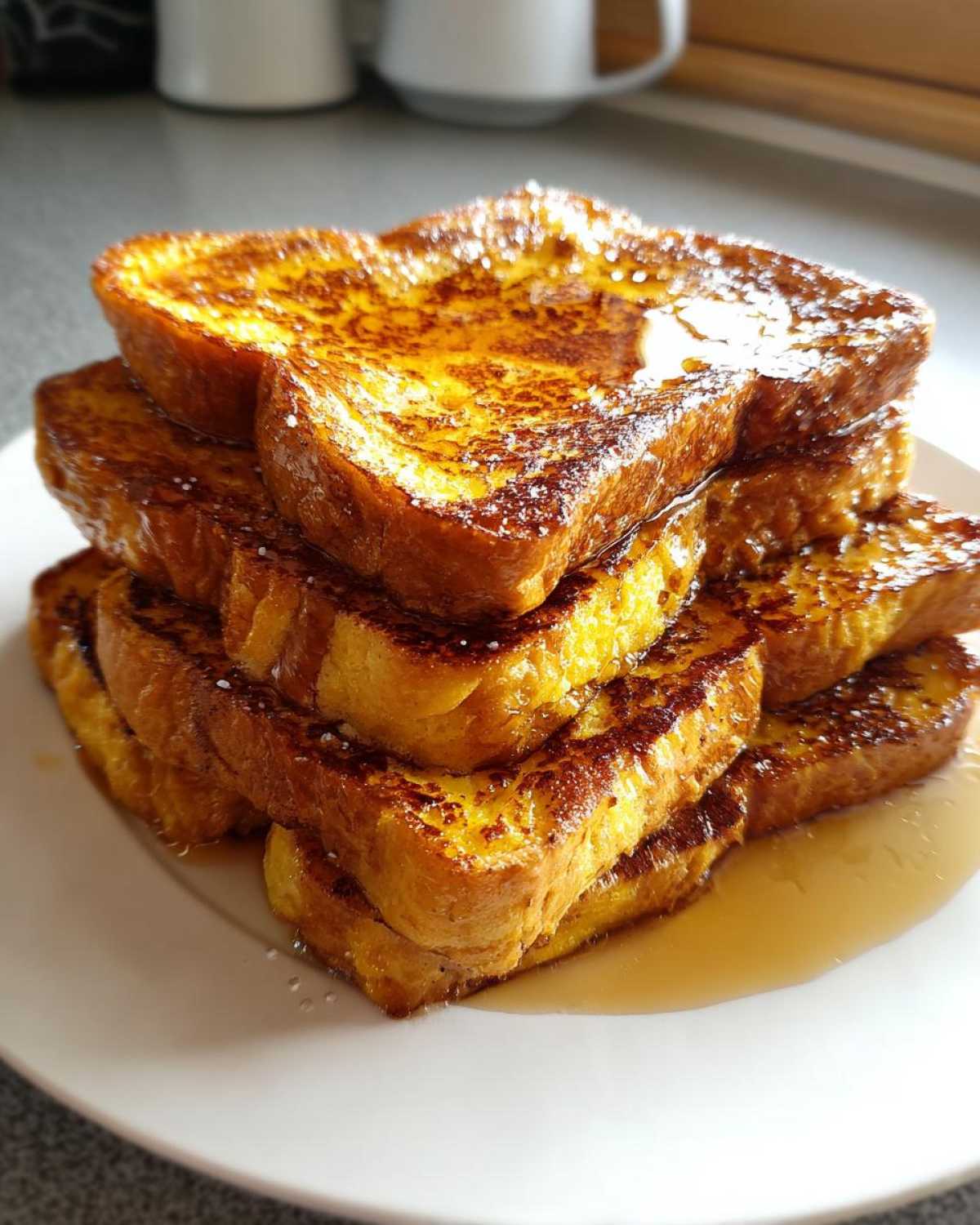
Now that you know the main steps, let’s talk about the little things that take your breakfast from ‘good’ to ‘I must write this down!’ These are the pieces of advice that I picked up over years of trial and error, ensuring my family’s french toast is always spectacular.
First, I need to stress the stale bread thing again. It’s my personal non-negotiable. If you just bought a fresh loaf, slice it thin, lay those slices on a cookie sheet, and pop them in a 250°F oven for about 10 minutes. You aren’t toasting them; you are just drying them out slightly so they become perfect custard sponges. It works wonders!
Also, regarding that custard: if you are out of heavy cream but only have skim milk, don’t worry! As the fantastic guide over at Bites Season notes, richness is key, but you can definitely make a superb version just using whole milk, or even substituting the milk/cream combo entirely with half-and-half. It will be slightly less decadent, perhaps, but still miles better than a thin, watery soak.
Here’s another tip from my Italian heritage—we always use citrus zest in baking when we can. If you have a fresh lemon or orange sitting around, grate just a tiny bit of the zest right into your custard mix. That bright pop cuts through the richness of the eggs and butter beautifully. It brightens up the cinnamon and nutmeg flavor profile in the french toast without making it taste like fruit.
Finally, always, always clean your pan between batches. Butter browns, and that brown butter is lovely for the first batch, but by the third slice, it starts to taste a little burnt. Melt a fresh tablespoon of butter (or ghee if you want those extra crispy edges!) before you start the next two slices. It takes an extra minute, but it ensures every slice comes off the skillet looking and tasting golden perfect!
Making a french toast Casserole or Make Ahead french toast
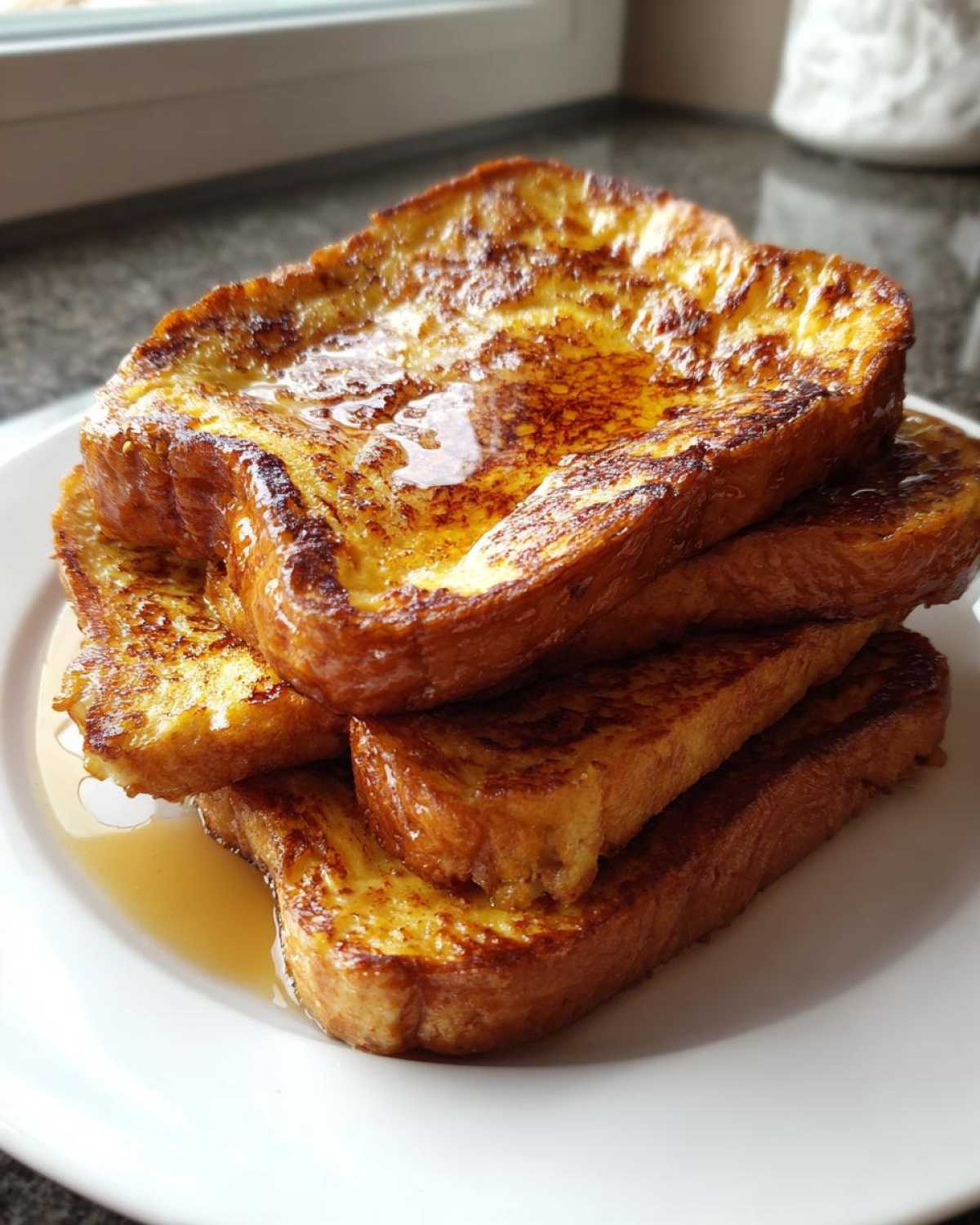
I know, I know! Sometimes even the 30 minutes this classic version takes feels like too much when you’ve got a whole family waiting for brunch. That’s when we pivot to the magic of the “make ahead french toast”—which usually means a casserole!
This is such a popular concept because who doesn’t want to wake up, put something in the oven, and focus on brewing the coffee? You can find my favorite baked version of this idea, which is fantastic for feeding a crowd, right here on the blog. Baking creates an entirely different, yet equally delicious, texture—often softer and more bread-pudding-like throughout.
When you are planning a big event, like Christmas morning or Easter brunch, the overnight French toast bake is your dearest friend. You prepare the bread soaking in the spiced custard base the night before. It sits right in the fridge, absorbing everything slowly and perfectly. The best part? When you’re ready to eat, it goes straight into the preheated oven. It’s a true gift to yourself!
If you look at what’s popular online, those casserole recipes are saved repeatedly because they solve the busy morning dilemma. While this core recipe is pan-fried for that wonderful crispy edge, knowing how to convert it into a baked french toast casserole gives you flexibility for different holidays or larger gatherings. It’s all about adapting those rich flavors into a format that works for your schedule!
Serving Suggestions for your Classic french toast
The cooking is done, but the magic isn’t finished until we dress these golden slices! My family usually goes for the simple classics: a pat of excellent salted butter melting right into the crevices, followed by a generous pour of pure maple syrup. It never fails, truly.
But if you want to make this a gourmet breakfast experience, think about adding fresh fruit compotes. I love quick-simmered berries—I sometimes make a tiny batch of applesauce-style fruit sauce using peaches when they are in season.
For something really special, try a dusting of powdered sugar mixed with a tiny bit of orange zest. It provides a beautiful aroma and a wonderful contrast to the cinnamon spice already in the bread. It’s breathtakingly simple and elegant!
Storing Leftover french toast and Reheating
Oh, the beautiful struggle of having too much perfect french toast left over! It happens to the best of us because who can stop at just two slices? If you do manage to save some, the key to reheating is avoiding the microwave if humanly possible. Microwaving turns that beautiful crispy edge into something rubbery faster than you can say ‘Buon Appetito’!
For refrigeration, place the leftover slices in a single layer on a wire rack set over a baking sheet. Don’t pile them up, or the steam will make them sticky! Cover loosely with foil and pop them in the fridge for up to two days. They retain their integrity surprisingly well this way.
Now, for bringing them back to glorious life, the oven is your hero—especially if you made a large batch. Set your oven to 350°F (175°C). Lay the slices directly onto the wire rack (keep that rack!) and bake for about ten minutes, flipping halfway through. This gently reheats the center while reviving that exterior crispness we worked so hard for.
If you’re only reheating one or two slices, the toaster oven is fantastic. Put them in for just a few minutes until they are hot to the touch. If you absolutely must use the microwave for speed, use a very low power setting for short bursts (15 seconds at a time) and place a small piece of paper towel under them to absorb inevitable moisture. But honestly, the oven method gives you results so close to fresh-off-the-griddle french toast that it’s worth the extra five minutes of waiting!
Frequently Asked Questions About Making french toast
It’s funny, even after sharing all my absolute favorite tricks for the best crunchy edges and soft centers, folks still have questions! That’s okay! Cooking, especially for brunch, is wonderfully intuitive. Here are the most common things readers ask me when they are gunning for the perfect plate of french toast in their own kitchen.
Can I use regular sandwich bread for french toast?
You certainly can get by with regular sandwich bread, especially if you need a super quick breakfast. However, it’s not my first choice for this exact rich recipe. Regular white bread is thinner and much softer than the Brioche or Challah we love. If you use it, you must reduce your soaking time drastically—maybe only 5 to 10 seconds per side! If you soak it too long, it absorbs too much liquid too quickly and simply falls apart when you lift it to the griddle. For this custard, thick bread is your friend!
What is the secret to custardy french toast centers?
Ah, the custardy center! This is the magic trick everyone wants to master, and it comes down to two things that define the best french toast tips. Number one is the fat content in your custard—that heavy cream we added makes sure the inside sets rich, not dry and bready. But the true secret is the soaking time we discussed: 15 to 20 seconds per side for thick bread. This gives the liquid enough time to penetrate deep into the crumb, creating that beautiful, soft, almost pudding-like interior when cooked low and slow.
If you ever find your centers are still just plain bread, try letting the soaked slice rest on a cooling rack for one full minute right before it hits the buttered pan. This allows any excess liquid to drip off, meaning that liquid goes right into your food instead of steaming away in the pan!
Nutritional Estimate for This french toast Recipe
Now, I know many of you are counting macros or just curious about what you’re eating, especially when whipping up something decadent! Remember, because we are using day-old bread and the richness of cream, this version is certainly a treat—a gourmet breakfast moment, if you will!
The numbers below are just an estimate based on the ingredients listed in the recipe card for two slices of the finished product. Please take them as a very general guide, because if you substitute whole milk for heavy cream, or use a leaner bread like standard sourdough instead of brioche, those values will shift, naturally.
- Serving Size: 2 slices
- Calories: 350
- Sugar: 12g
- Sodium: 320mg
- Fat: 18g
- Saturated Fat: 9g
- Carbohydrates: 35g
- Protein: 14g
If you are looking to make this lighter while keeping that wonderful texture, you might check out some of my recipes that focus on boosting protein, like these fantastic high-protein cottage cheese egg bites. But for the pure, unadulterated joy of dipping fluffy bread into spiced custard, this recipe is worth every delicious calorie! Enjoy your weekend cooking!
Print
The Absolute Best Classic French Toast Recipe
- Total Time: 30 min
- Yield: 4 servings
- Diet: Vegetarian
Description
Discover the secrets to making perfect French toast with crispy edges and a custardy center every time. This recipe is ideal for an easy weekend breakfast or an impressive brunch.
Ingredients
- 8 slices thick bread (Challah or Brioche recommended)
- 4 large eggs
- 1/2 cup whole milk or half-and-half
- 1/4 cup heavy cream
- 1 teaspoon vanilla extract
- 1 teaspoon ground cinnamon
- 1/4 teaspoon ground nutmeg
- Pinch of salt
- 2 tablespoons unsalted butter, for cooking
Instructions
- Prepare the custard mixture: In a shallow dish, whisk together the eggs, milk, heavy cream, vanilla extract, cinnamon, nutmeg, and salt until fully combined.
- Soak the bread: Dip each slice of bread into the custard mixture, ensuring both sides are coated. Let the bread soak for about 15 to 20 seconds per side for a custardy center. Do not over-soak if using standard sandwich bread.
- Heat the skillet: Place a large non-stick skillet or griddle over medium-low heat. Add half of the butter and let it melt until it foams slightly.
- Cook the toast: Place the soaked bread slices onto the hot skillet, ensuring they do not overlap. Cook for 3 to 5 minutes per side until golden brown and cooked through. Adjust the heat as needed to prevent burning; low and slow cooking helps achieve a custardy interior.
- Keep warm: Transfer cooked French toast slices to a wire rack set over a baking sheet and keep them warm in a low oven (around 200°F or 95°C) while you cook the remaining slices.
- Serve immediately with your favorite toppings like maple syrup and fresh berries.
Notes
- For the best results, use slightly stale or day-old bread. This allows the bread to absorb more custard without falling apart.
- If you prefer a richer flavor, substitute whole milk with half-and-half or use heavy cream for the entire liquid portion.
- To achieve extra crispy edges, use clarified butter or ghee for cooking instead of regular butter, as it has a higher smoke point.
- Prep Time: 10 min
- Cook Time: 20 min
- Category: Breakfast
- Method: Pan Frying
- Cuisine: American
Nutrition
- Serving Size: 2 slices
- Calories: 350
- Sugar: 12
- Sodium: 320
- Fat: 18
- Saturated Fat: 9
- Unsaturated Fat: 9
- Trans Fat: 0.5
- Carbohydrates: 35
- Fiber: 2
- Protein: 14
- Cholesterol: 180



Comments are closed.