
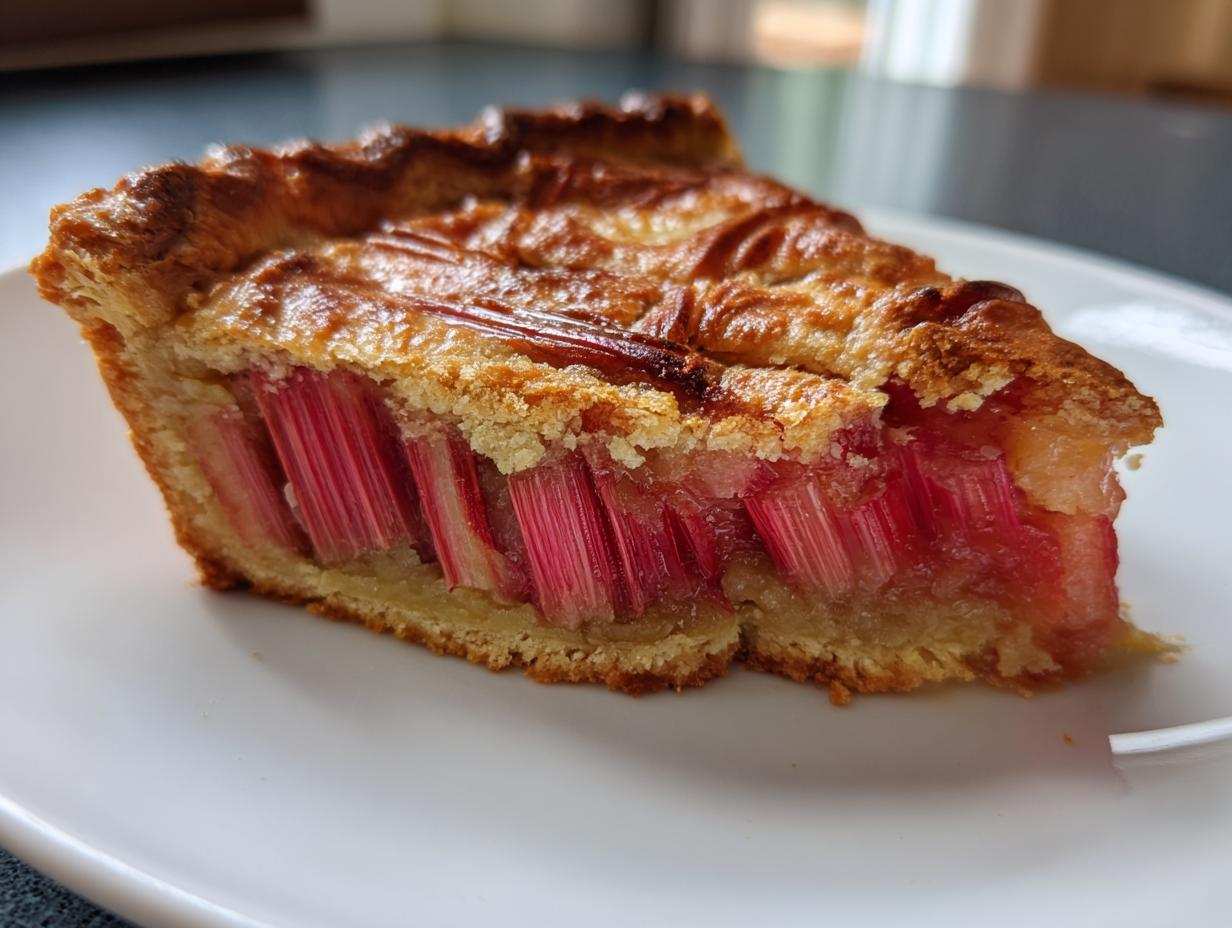
Oh, honey, if you think rustic baking means a messy pile of dough and fruit, prepare to have your mind blown! I finally figured out how to marry that gorgeous, free-form charm of a classic galette with something really structured and artful. That’s why this Rustic Geometric Rhubarb Galette recipe is my current obsession. It’s the perfect summer bake because you get that lovely, tart rhubarb bursting out, but the crust looks like you spent all day wrestling with pastry dough, when really, it’s surprisingly simple!
Honestly, the trickiest part was perfecting the pastry so it was sturdy enough for those sharp, geometric cuts without sticking or warping in the heat. Trust me, after a few batches that spread out like soup, I cracked the code—cold butter and quick hands are everything. Get ready to create a simple yet elegant dessert that looks absolutely artisan!
Why This Rustic Geometric Rhubarb Galette is Your Next Favorite Bake
This isn’t just another fruit pie; it’s a statement piece made easy. I promise you; this recipe hits all the right notes for a summer gathering or just a Tuesday treat. Here’s why you absolutely need to make this gorgeous bake:
- The Best of Both Worlds: You get the beautiful, homey, free-form edge that screams “I made this with love” combined with that sharp, deliberate geometric pattern. It’s impressive without being intimidating!
- Peak Seasonal Flavor: Rhubarb is only around for so long, and that tart, slightly earthy flavor is just perfect when baked down with a little sugar. It truly sings in this free form pie tutorial style.
- Surprisingly Forgiving Crust: Even if your geometric cuts aren’t perfectly symmetrical, the rustic folding technique covers up any tiny imperfections while keeping the artistic look intact. It’s the perfect confidence booster for bakers.
- Visually Stunning Rhubarb Bake: This is guaranteed to be the prettiest thing on your dessert table. The contrast between the folded crust and the visible, slightly patterned dough where the rhubarb peeks out is just gorgeous.
- Fast and Efficient Dessert: Because we skip the fussy pie plate and just use parchment, cleanup is a breeze, and it bakes up much faster than a traditional double-crust pie.
Ingredients for the Perfect Rustic Geometric Rhubarb Galette
Okay, let’s talk about what goes into this masterpiece! For a Rustic Geometric Rhubarb Galette, both the dough and the filling need to be on point. You need components that can handle being cut geometrically but still melt in your mouth when baked. Remember, we are aiming for that beautiful contrast between the structured scoring and the free-form edges. Before you mix anything, make sure your butter is rock solid and your water is icy!
If you’re ever looking for other great ways to use that seasonal haul, you should check out my rhubarb oat bars recipe for a different kind of treat!
For the Flaky Pastry Dough
- 1 1/2 cups all-purpose flour
- 1/2 teaspoon salt
- 1 tablespoon granulated sugar
- 1/2 cup (1 stick) cold unsalted butter, cut into cubes
- 4 to 6 tablespoons ice water
For the Tart Rhubarb Filling
- 3 cups chopped rhubarb (about 1 inch pieces)
- 1/2 cup granulated sugar (for filling)
- 2 tablespoons cornstarch (this is non-negotiable—it keeps the juices from making soup!)
- 1 teaspoon lemon zest
- 1 tablespoon milk or egg wash (for brushing the edges)
- 1 tablespoon coarse sugar for sprinkling (adds that perfect crunch!)
Mastering the Dough: Foundation for Your Rustic Geometric Rhubarb Galette
The dough is the secret weapon for getting that beautiful Rustic Geometric Rhubarb Galette look. If your pastry is too soft or overworked, those crisp geometric lines we want to score into the top won’t hold up when the heat hits them. We are aiming for coarse crumbs with some pea-sized butter chunks—that’s what gives you the flaky layers!
When you add the ice water, only use enough to make the dough *just* come together. If you let it get too wet, you activate too much gluten, and suddenly you’ve got tough dough instead of tender pastry. We need that structure to support our artistic flair! Once it’s loosely formed into a disk, wrap it tight enough to hold its shape, but don’t squish it—we need those butter pockets intact for flakiness. For more help with fundamentals, check out my homemade pastry crust guide!
Chilling Time is Non-Negotiable
You absolutely cannot rush the chill time here, folks. After you wrap that disk, send it straight to the fridge for at least one full hour. Why? Because chilling lets the gluten relax after all that mixing, and it re-hardens the butter. When the butter is cold, it melts slowly in the oven, creating steam pockets that lift the dough. This is crucial for structure, and it ensures that when you use a sharp knife to make your diamond or chevron patterns, the cuts stay clean and defined, giving you the best result for keeping that geometric precision!
Creating the Geometric Pastry Design on Your Rustic Rhubarb Galette
This is where the magic happens, transforming a simple tart into that showstopping Rustic Geometric Rhubarb Galette! Take your chilled dough and roll it out on a lightly floured surface into a rough 14-inch circle. Don’t panic if it’s not a perfect round; remember, we are embracing the rustic side, so slightly uneven edges are welcome! Transfer that beauty onto your parchment-lined baking sheet.
Now for the fun part: geometry! Grab a super sharp knife or a pizza cutter. You are going to lightly *score* a pattern—think diamonds, chevrons, or even just intersecting lines—into the center two-thirds of the dough. The most important thing here is that you are only scoring the top layer lightly; don’t slice all the way through to the bottom or you’ll lose juice later! This scoring actually serves as a guide for where to fold the edges later, and it opens up just enough during baking to show off that amazing geometric pastry design.
Assembling the Rhubarb Filling
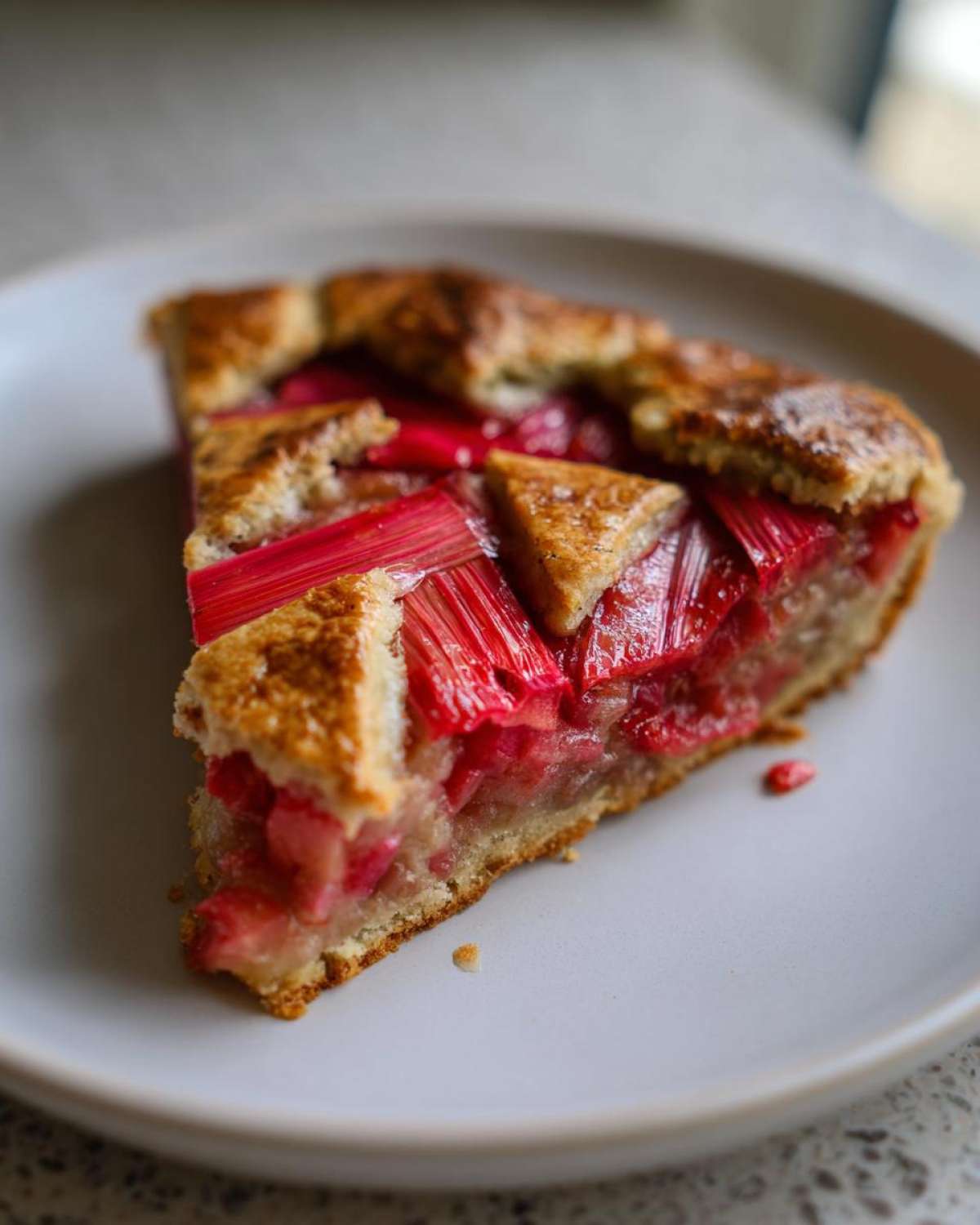
Once your design is lightly imprinted, it’s time for the filling. Gently spoon that gorgeous combination of rhubarb, sugar, and cornstarch right into the middle of the scored dough. You MUST leave about a 2-inch border completely clear around the edge. This border is sacred space for folding; if you get filling in there, it will burn and keep your crust from sealing nicely when we move on to the crust folding techniques.
The Final Fold: Achieving the Rustic Look for Your Rustic Geometric Rhubarb Galette
Now we pull it all together with the rustic folding process, which is the best part because it lets the pastry be messy again! Once the rhubarb filling is settled neatly in the middle, start folding that 2-inch border of dough up and over the edge of the fruit. Don’t worry about perfection here; you want them to overlap a little wonky! This overlapping creates that wonderfully uneven, thick, craggy edge that screams homemade comfort. It’s the perfect visual counterpoint to that crisp, planned free form pie tutorial pattern you scored earlier.
Once the edges are folded all the way around, give the crust a good, generous brush with milk or an egg wash—this is what gets it that deep golden shine. Then, sprinkle the entire folded edge heavily with coarse sugar. That sugar melts slightly, crystallizes, and gives you the most divine, crackly texture right where you want it. Seriously, don’t skip that crunch!
Baking Instructions for a Golden Rustic Geometric Rhubarb Galette
We made it to the oven! This is the moment we find out if our cold butter and careful scoring paid off. Preheat your oven to a solid 400 degrees Fahrenheit, or 200 degrees Celsius. It needs to be nice and hot right away to set that crust structure we worked so hard for and get those flaky layers going.
Slide that parchment-lined baking sheet with your beautiful Rustic Geometric Rhubarb Galette right onto the middle rack. It usually takes about 35 to 45 minutes for everything to be perfect. You’ll know it’s done when the crust edges are a deep, beautiful golden brown—not pale, not burnt, but rich looking. Also, keep an eye on that rhubarb filling!
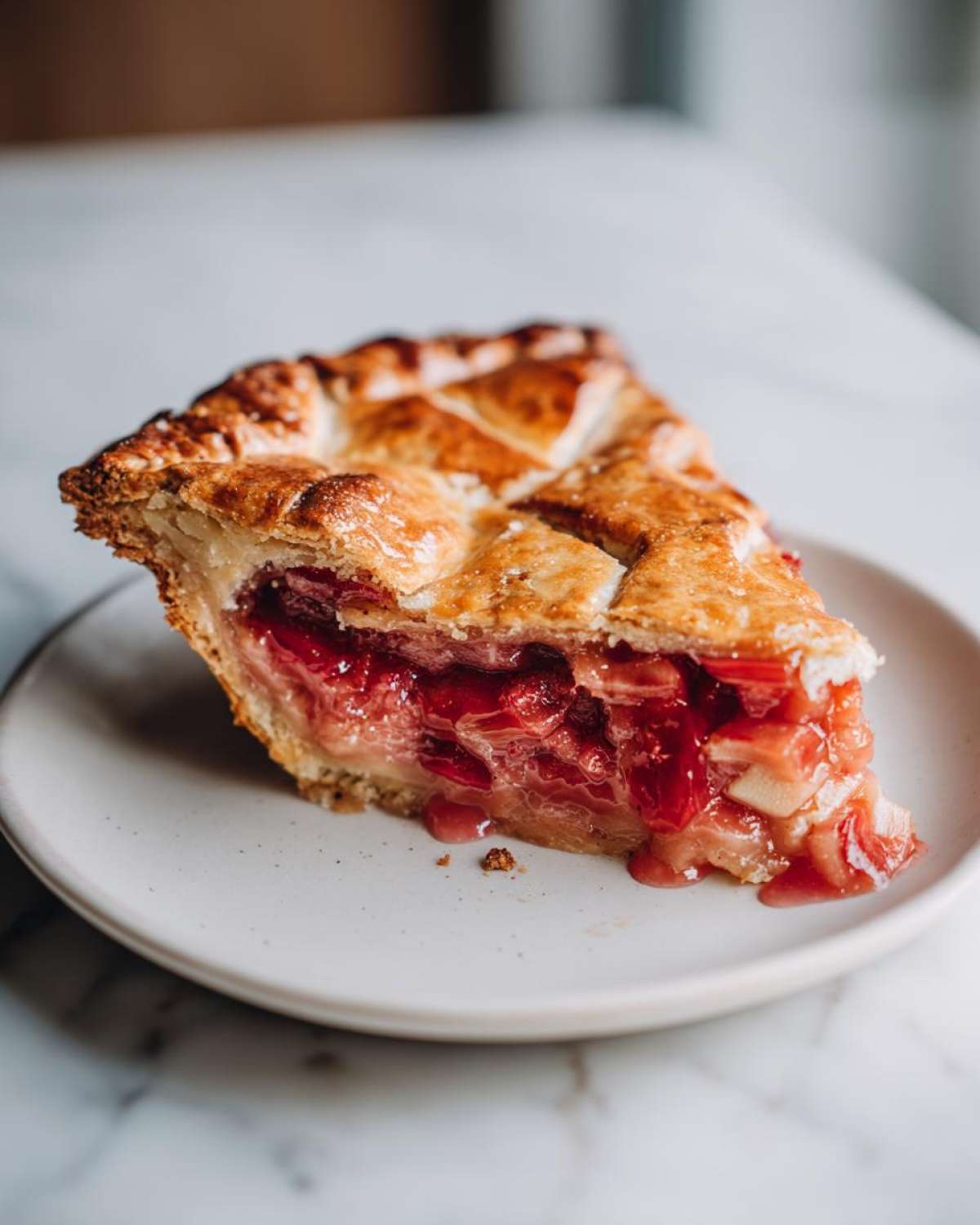
The filling should be visibly thick and bubbling joyfully around the geometric center. If you see thick, syrupy bubbles popping up, that means the cornstarch has done its job and everything is cooked through. Pull it out, and resist the urge to cut into it immediately! Let it cool on the baking sheet for at least 20 minutes. That resting time allows the juices to settle down, making sure your beautiful design holds up when you finally slice into this amazing bake.
Tips for Success with Your Shaped Galette Instructions
You’ve put in all the love to make this unique Rustic Geometric Rhubarb Galette, so let’s make sure it looks exactly the way you pictured it! A few little secrets go a long way when you’re combining the rustic look with planned geometric designs. These aren’t strict rules, but they are the habits I developed that stopped me from having sad, flat galettes!
First, when you roll out your dough for that geometric patterning, work quickly! If you find the dough getting soft or sticky while you are scoring your diamonds or chevrons, just slide the whole thing—parchment and all—back onto the baking sheet and stick it in the fridge for 10 minutes. Firm dough equals sharp lines. It’s the key to any good shaped galette instructions!
Next, temperature control on the rhubarb filling matters slightly, too. While the rhubarb needs time to macerate with the sugar, try not to let the bowl sit on a hot counter for hours. If the filling gets too wet or warm when you apply it, it can start to seep underneath your scored crust area before it even hits the oven. Keep that filling bowl cool until the very last minute before spooning it onto your patterned dough.
Finally, don’t be afraid of the coarse sugar! I see people skimp on sprinkling the edges, but that sugar is what gives you that fantastic, crunchy contrast against the tender rhubarb and the flaky pastry. It protects the exposed dough edge slightly and just adds that final, beautiful farmhouse style flourish to your presentation.
Storage and Reheating Instructions for Leftover Rustic Rhubarb Tart Recipe
I honestly doubt you’ll have any leftovers because this Rustic Geometric Rhubarb Galette disappears so fast! But when you do, let it cool completely on a wire rack first. You absolutely cannot store warm fruit pastry—it steams itself soggy! Once fully cool, cover it loosely with plastic wrap or foil and it’s safe on the counter for about a day, though I usually pop mine in the fridge if it’s a hot day.
When you want to enjoy a slice of this rustic rhubarb tart recipe later, bring it back to life in a 350°F oven for about 8 to 10 minutes. Skip the microwave unless you want a chewy crust! A quick trip back to the heat crisps up the pastry gorgeousness again.
Frequently Asked Questions About Artisan Rhubarb Pastry
It’s so fun seeing everyone tackle this recipe! When you’re combining the rustic look with specific shaping, questions always pop up. I’ve gathered a few of the ones I’ve heard most often as you all create your own amazing versions of this Artisan Rhubarb Pastry.
Can I use frozen rhubarb in this geometric pastry design?
Oh, that’s a common kitchen hurdle! You can definitely use frozen rhubarb for your filling, especially when rhubarb isn’t easily available. The key here is thawing—you need to thaw the rhubarb completely first, and then you *must* drain off all that extra liquid it releases. If you don’t drain it well, you’ll end up with a soupy mess that seeps under your beautiful scoring. Also, because frozen rhubarb releases more water when cooking, I usually add an extra teaspoon of cornstarch to make sure the artisan rhubarb pastry filling sets up nicely.
How do I prevent the geometric scoring from disappearing during baking?
This is all about structure! You did the hard work scoring your pattern, so don’t let it melt away. The most vital thing, like I mentioned we did for the dough foundation, is chilling. Make absolutely sure your dough is ice-cold when you score it. If you see the edges of your diamond pattern start to soften or blur while you’re working, stop! Place the entire rolled-out dough back onto the baking sheet and stick it in the freezer for 10 minutes. When the fat is rock hard, the score lines hold their shape much better when they hit that 400-degree oven.
What is the best way to serve this easy rhubarb dessert?
Since this easy rhubarb dessert has such a beautiful, artistic top, you want toppings that complement it without hiding the work you did! My favorite way to serve it is warm, maybe 20 minutes out of the oven, with just a simple scoop of high-quality vanilla bean ice cream melting right into the tart juices. If you prefer something lighter, a dollop of freshly whipped cream spiked with a tiny splash of almond extract is divine. It leans right into that farmhouse style dessert vibe without making the crust soggy.
Print
Rustic Geometric Rhubarb Galette
- Total Time: 75 min
- Yield: 6 servings
- Diet: Vegetarian
Description
Follow these steps to create a free-form rhubarb galette featuring a geometric pattern on the crust for a visually appealing, rustic dessert.
Ingredients
- 1 1/2 cups all-purpose flour
- 1/2 teaspoon salt
- 1 tablespoon granulated sugar
- 1/2 cup (1 stick) cold unsalted butter, cut into cubes
- 4 to 6 tablespoons ice water
- 3 cups chopped fresh rhubarb (about 1 inch pieces)
- 1/2 cup granulated sugar (for filling)
- 2 tablespoons cornstarch
- 1 teaspoon lemon zest
- 1 tablespoon milk or egg wash
- 1 tablespoon coarse sugar for sprinkling
Instructions
- Prepare the dough: In a large bowl, whisk together the flour, salt, and 1 tablespoon of sugar. Cut in the cold butter using a pastry blender or your fingers until the mixture resembles coarse crumbs with some pea-sized pieces of butter remaining.
- Gradually add ice water, one tablespoon at a time, mixing until the dough just comes together. Form the dough into a disk, wrap it in plastic wrap, and chill for at least 1 hour.
- Prepare the filling: In a separate bowl, toss the chopped rhubarb with 1/2 cup sugar, cornstarch, and lemon zest. Set aside.
- Roll out the dough: On a lightly floured surface, roll the chilled dough into a rough 14-inch circle. Do not aim for perfect roundness; the rustic look is desired.
- Transfer the dough to a baking sheet lined with parchment paper.
- Create the geometric design: Using a sharp knife or pizza cutter, lightly score a simple geometric pattern (like a diamond lattice or chevron lines) onto the center two-thirds of the dough, avoiding cutting all the way through to the bottom layer. This scoring helps guide folding and creates visual interest after baking.
- Spoon the rhubarb filling onto the center of the dough, leaving a 2-inch border clear around the edge.
- Fold the edges: Fold the dough border up and over the filling, overlapping the folds slightly to create a rustic, free-form edge. The scored geometric pattern should remain visible on the top surface of the folded crust.
- Brush the folded crust edges with milk or egg wash and sprinkle generously with coarse sugar.
- Bake: Bake in a preheated oven at 400 degrees Fahrenheit (200 degrees Celsius) for 35 to 45 minutes, or until the crust is golden brown and the filling is bubbly.
- Cool: Let the galette cool on the baking sheet for at least 20 minutes before slicing and serving.
Notes
- For cleaner geometric cuts, chill the dough for an extra 15 minutes after scoring the pattern before you add the filling.
- If your rhubarb is very tart, you can increase the filling sugar to 3/4 cup.
- Use cold ingredients for the pastry to ensure a flaky crust structure that holds the geometric shape.
- Prep Time: 30 min
- Cook Time: 45 min
- Category: Dessert
- Method: Baking
- Cuisine: American
Nutrition
- Serving Size: 1 slice
- Calories: 350
- Sugar: 25g
- Sodium: 150mg
- Fat: 18g
- Saturated Fat: 11g
- Unsaturated Fat: 7g
- Trans Fat: 0g
- Carbohydrates: 45g
- Fiber: 3g
- Protein: 5g
- Cholesterol: 45mg


Comments are closed.