
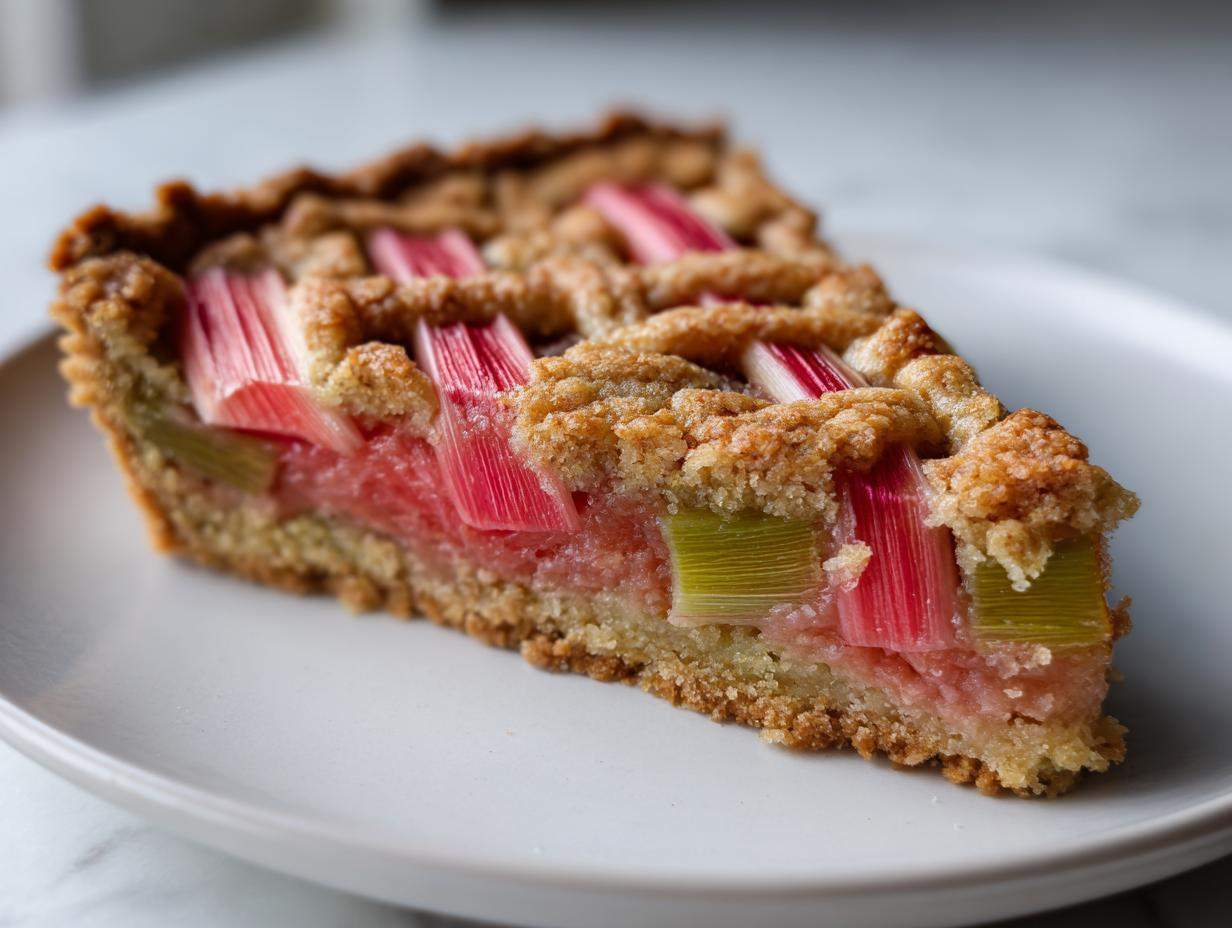
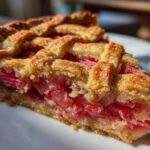
Oh my goodness, when the first stalks of rhubarb show up at the market, I just know it’s time to get a little fancy in the kitchen! I get so excited about these tart, gorgeous pink stems. You know me, I love a dessert that looks like it took three days to assemble, even if it didn’t! That’s why I’m sharing what has become my absolute favorite springtime bake: the definitive recipe for a **Rhubarb and Almond Chevron Tart**. Forget simple lattice; we are going geometric with this one. I spent ages perfecting the pastry so it holds those sharp, clean lines for the chevron top, but trust me, the payoff is huge. That buttery almond frangipane underneath? It’s just heavenly against the tart rhubarb. Get ready, because this is the showstopper you need this season!
Why This Rhubarb and Almond Chevron Tart is a Showstopper
Honestly, this isn’t just a dessert; it’s an edible piece of art, and I want everyone to feel confident making it. It really stands out because it hits all the right notes:
- The flavor balance is spot-on—that rich, nutty almond frangipane keeps the bright rhubarb tartness perfectly in check.
- Visually, you just can’t beat it. The decorative chevron crust immediately elevates this from a weeknight bake to something truly elegant for company.
- It’s the definitive springtime dessert. Nothing screams ‘fresh flavors’ louder than using just-picked rhubarb.
This tart proves you don’t need complicated fillings when your technique and design are this solid.
Ingredients for the Perfect Rhubarb and Almond Chevron Tart
Okay, let’s talk about what you need to get this show on the road! Getting the ingredients right is half the battle, especially when you need that pastry dough to behave itself for the chevron design. Remember, everything needs to be ready to go so you can chill that dough properly.
That almond frangipane is seriously easy, but you absolutely must have room temperature eggs—otherwise, the butter will seize up, and we won’t get that beautiful, airy texture we’re aiming for. Trust me on this one!
For the Sweet Shortcrust Pastry Dough
You’ll need one recipe of your favorite standard sweet shortcrust pastry dough. The key here isn’t fancy ingredients, it’s making sure that dough is firm, not sticky, so you can roll it out thinly for those strips!
For the Almond Frangipane Filling
- 1 cup (2 sticks) unsalted butter, softened—it needs to be truly soft!
- 1 cup granulated sugar
- 2 large eggs, room temperature, no exceptions!
- 1 teaspoon almond extract
- 1 cup almond flour (makes it so rich!)
- 2 tablespoons all-purpose flour
- 1/4 teaspoon salt
For the Rhubarb Topping
This is where the gorgeous color comes in. We toss the rhubarb just slightly to tame the tartness and prevent a watery mess:
- 1 pound fresh rhubarb, trimmed and cut into 1/2-inch pieces
- 2 tablespoons granulated sugar (just for the rhubarb)
- 1 tablespoon cornstarch
That little bit of cornstarch mixed with the sugar grabs all those lovely juices while baking so you get fruit flavor, not soup, in the bottom of your tart!
Step-by-Step Instructions for Your Rhubarb and Almond Chevron Tart
Alright, now for the fun part—putting this beautiful creation together! I know pastry work can look intimidating, but if we take it slow and keep things cold, you’ll be shocked at how easy it is to create this elegant design. We are focusing equally on the flavor base and the visual structure here. You’ll want to make sure your pastry dough is firm enough so those decorative cuts stay sharp!
Preparing the Tart Shell and Frangipane Base
First things first: get that pastry dough in the fridge to chill for at least 30 minutes if you haven’t already. While that rests up, you can make the frangipane filling. Remember that creaming step? Beat your soft butter and sugar until it’s truly light and fluffy—don’t rush it! Then, slowly mix in your room-temperature eggs one by one. Once the almond flour mixture is incorporated, you’re ready. Line a 9-inch tart pan with two-thirds of your dough, trim it neatly, and then put the whole thing back into the fridge while you work on the topping. We want that shell very cold before we add the filling! If you need a quick reminder on chilling doughs, check out my thoughts over on my home-baked muffin guide—it uses similar cold dough principles!
Assembling the Rhubarb and Creating the Chevron Crust Design
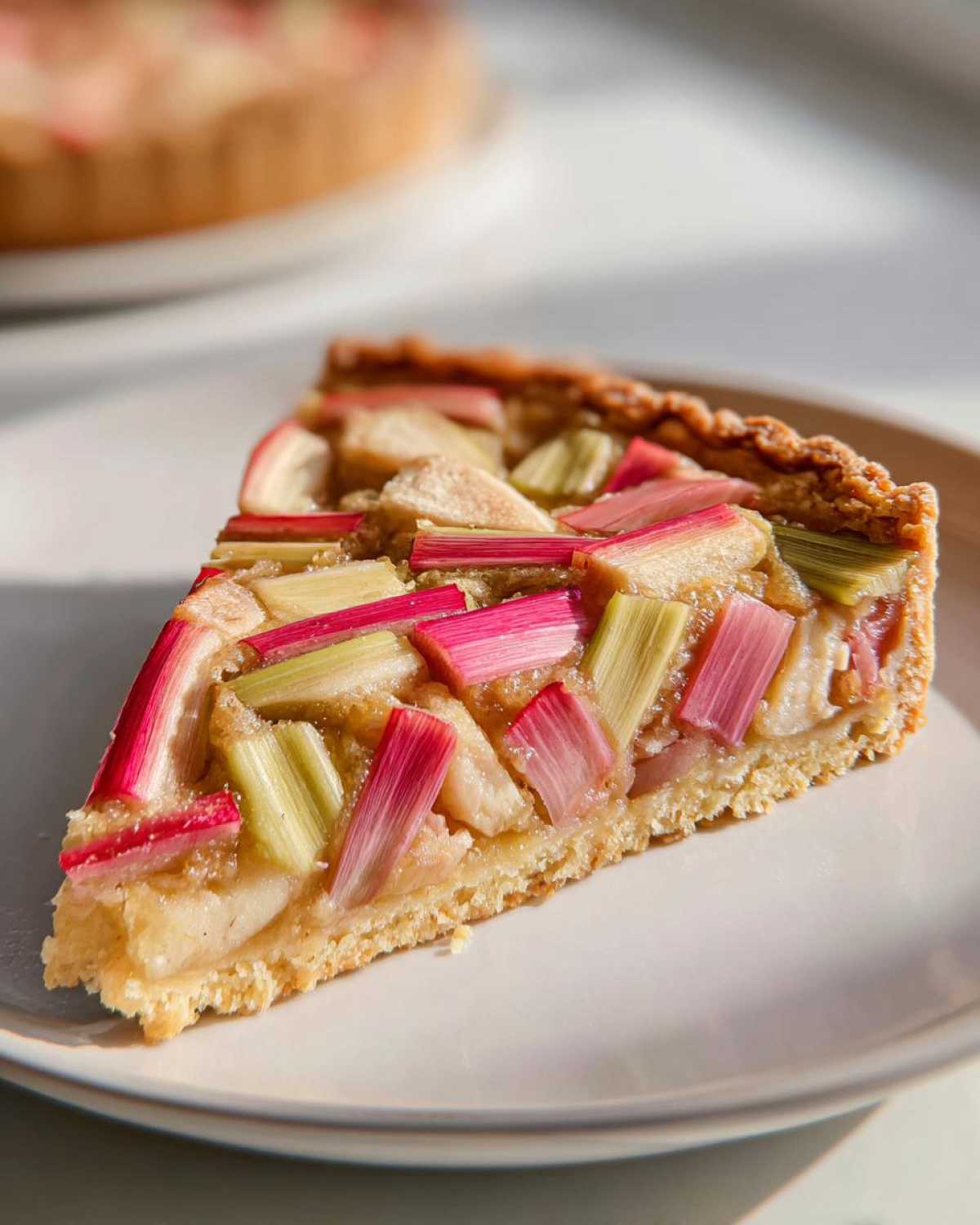
This is where the magic happens for our **Rhubarb and Almond Chevron Tart**! Toss your cut rhubarb with those two tablespoons of sugar and the cornstarch. Spread that glorious almond frangipane into the chilled shell. Now, take your remaining dough and roll it out into a large rectangle—make sure it’s chilled a bit so you can cut clean strips, about half an inch wide. Don’t try a full lattice! For the chevron, lay down your first set of strips running straight across the tart. Then, take your next set and lay them down parallel to each other but angled steeply (maybe 45 degrees) against the first set, forming distinct ‘V’ shapes across the surface. Work slowly, trimming the edges as you go to keep that border neat. It just looks so impressive!
Baking and Cooling the Rhubarb and Almond Chevron Tart
Preheat your oven to 375°F (190°C). Bake the tart for a good 50 to 60 minutes. Check it when the pastry edges look golden brown and the frangipane seems nice and set when you gently give the pan a little shake. This is important: let the tart cool completely on a wire rack before you even think about releasing that outer ring from the pan. If you rush it, that beautiful structure might collapse, trust me on that one. We want a perfect slice!
Tips for Mastering the Chevron Crust Tart Tutorial
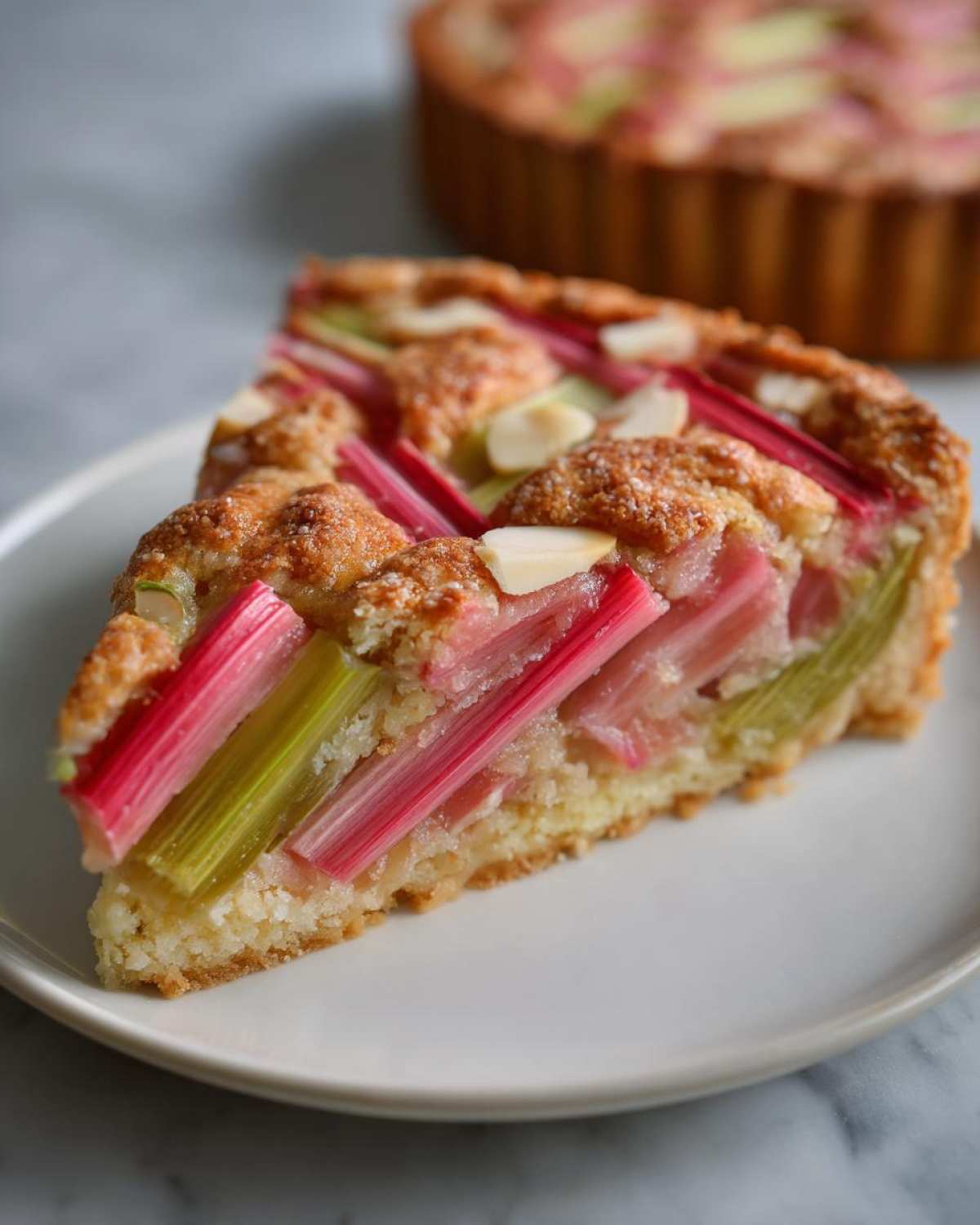
The chevron top is what makes this Rhubarb and Almond Chevron Tart so memorable, but it requires a little pastry finesse. If your dough is too warm, those beautiful strips will stretch and warp when you try to lay them down, ruining your sharp angles. That’s why chilling is our best friend!
My number one tip for getting those crisp edges is to slightly chill the flattened pastry strips for about ten minutes right after you cut them, before you even start arranging them over the frangipane. Cold dough cuts cleanly, and it shrinks less in the oven.
Also, don’t overwork the dough! When you roll out that top layer, handle it as little as possible. Every time you touch it, you’re warming it up. If you find your pastry is shrinking too much away from the edges of the pan while baking, it means the gluten is too tight. Next time, try rolling your pastry a bit bigger than you need and then docking (poking holes) the base layer to prevent it from puffing up. For more insights on getting dough right every single time, especially when dealing with shaping, you can look at some of the techniques I use for my simple French bread recipe—it all comes down to handling!
For arranging the V-shapes, use a ruler or even just eyeball your first few strips to set the angle, and then just keep repeating that template. Precision is key to that geometric look!
Ingredient Notes and Substitutions for Your Rhubarb Almond Tart Recipe
I know not every ingredient appears in everyone’s pantry all the time, and sometimes the season just doesn’t cooperate with our baking plans! Don’t panic if you’re missing something specific for this Rhubarb Almond Tart Recipe; we can definitely make smart swaps.
What if I can’t find almond flour?
This one is tough because almond flour gives the frangipane its signature rich, slightly grainy texture that works so well with the rhubarb. If you absolutely cannot find it, you can try pulsing blanched, slivered almonds in a food processor until they look like fine meal. Don’t process them too long unless you want almond butter! It won’t be exactly the same texture, but it will give you that deep nutty flavor. Just make sure you whip it really well with the butter and sugar to keep it light.
Can I use frozen rhubarb?
Yes, you definitely can, especially if you love strawberry rhubarb combinations later in the year! If you are using frozen rhubarb, don’t thaw it first! Just toss the frozen pieces directly with the sugar and cornstarch. You might need to add about 5 to 10 minutes to the total baking time because the extra moisture needs time to cook off. If you wanted to see how I adapt rhubarb for other bakes, check out my notes on my strawberry rhubarb crisp—the principles for handling the liquid are similar!
Can I skip the almond extract?
Oh, please don’t! The almond extract is absolutely vital here because it bridges the gap between the sweet, buttery frangipane and the tart fruit. If you are dealing with a nut allergy and can’t use almond flour, then you are looking at a totally different filling, perhaps a pastry cream. But if it’s just the extract you’re short on, try a tiny splash of good quality vanilla bean paste, but it really won’t taste the same. Stick to the plan if you can!
Serving Suggestions for Your Elegant Springtime Tarts
We’ve made something so gorgeous—the Rhubarb and Almond Chevron Tart deserves the perfect send-off, right? Because the frangipane is rich and the rhubarb is satisfyingly tart, you don’t need much heavy adornment. I usually like to keep things simple so that beautiful chevron pattern really shines through!
My go-to accompaniment is a dollop of cold crème fraîche. The slight tanginess cuts right through the richness of the almond filling beautifully. Honestly, sometimes just a tiny, fine dusting of powdered sugar right before serving is all I do!
If you are serving this warm—which I highly recommend doing for the ultimate cozy dessert experience—a scoop of really good quality vanilla bean ice cream is unbeatable. The way it melts over the warm fruit and melts into the crust edges? Divine. If you happen to need a recipe for a simple vanilla swirl that pipes up nicely if you want to get fancy, I have one you can look at over here: Easy Vanilla Buttercream Recipe. You can thin down their frosting a bit to make a loose glaze, too, if you prefer something a little sweeter than crème fraîche!
Storage and Reheating Instructions for the Rhubarb and Almond Chevron Tart
Now that you’ve made your masterpiece, you definitely want to know how to keep this gorgeous Rhubarb and Almond Chevron Tart looking and tasting its best! Honestly, these tarts are best eaten the day they are made, especially because that pastry crust is so wonderfully crisp right out of the oven before the filling has a chance to soak in.
If you do have leftovers—and I hope you do!—the best way to store it is really important. You must keep it refrigerated because of that lovely almond frangipane filling. I wrap the completely cooled tart (still in the pan, if you prefer, or carefully removed) loosely in plastic wrap and stick it in the fridge. It should keep okay for about three to four days. Don’t leave it sitting on the counter; it’ll get weirdly soft!
When it comes to reheating, proceed with caution if you want to protect that amazing chevron design. I never microwave slices because soggy pastry is a criminal offense in my book! If you want to revive that buttery crust flavor, gently warm individual slices in a toaster oven or a regular oven set to a very low temperature—maybe 300°F (150°C)—for about 8 to 10 minutes. That low heat helps crisp up the crust again without cooking the filling further. Serve it warm with a little cold cream right on the side. It brings the whole flavor profile right back to life!
Frequently Asked Questions About Baking This Rhubarb and Almond Tart
I know when you look at a truly stunning bake, like our Rhubarb Almond Tart Recipe, you get a few questions swirling around your head. Don’t worry, I’ve dealt with all these issues while perfecting the technique. Here are the ones I hear the most!
What is the best pastry dough for decorative pastry tart designs?
For any tart where you plan on doing detailed work, like our geometric designs, you really want a dough that holds its shape and doesn’t puff up too much. For that perfect crispness and clean cut, I always default to a classic Pâte Sablée—that’s a sweet shortcrust pastry. It’s rich with butter and sugar, which keeps it tender but firm once chilled. Pâte Sucrée works too, but sometimes it spreads a touch more than the Sablée when baking. Keeping that dough icy cold right before it hits the oven is the real secret to sharp edges on any design!
How do I stop the rhubarb from making the crust soggy in my Rhubarb Almond Tart Recipe?
This is critical when dealing with juicy fruits like rhubarb! We already took a major step by tossing the rhubarb with cornstarch and a little bit of sugar right before arranging it over the almond frangipane. That cornstarch acts like a little sponge, grabbing the liquid as the rhubarb breaks down in the oven. My advice is to ensure you don’t over-sauce the fruit; even distribution is key. Also, make sure your pastry base is well-chilled—a cold crust hitting a hot oven gives you a better initial ‘steam shock’ that helps keep that bottom layer crisp. If you want to see how I handle liquid fruit in another favorite springtime bake, check out my notes on the blueberry muffins recipe—the principles of balancing moisture are often the same!
Can I substitute a different nut for the almond frangipane?
While the almond is classic, you definitely can experiment with other nuts if you have a preference! Hazelnut flour works beautifully as a substitute for almond flour in this recipe, giving the filling a deeper, smokier flavor that pairs surprisingly well with the tartness of the rhubarb. You will still want to follow the filling instructions exactly, using the hazelnut flour instead of the almond flour. It makes for a fantastic variation on our standard Almond Frangipane Tart Baking!
Share Your Beautiful Rhubarb and Almond Chevron Tart Creation
Now that you’ve gone to all the trouble of making this spectacular Rhubarb and Almond Chevron Tart, I absolutely want to see what you’ve done! Seriously, I live for the photos you all send me. Did your chevron pattern come out crisp and clean? Did you find the perfect slice of vanilla bean ice cream to go with it?
Take a picture of your finished tart—show off that handiwork on the crust! Tag me on social media or drop a comment right here on the blog. Letting me know how it turned out helps other bakers feel inspired to tackle this more decorative style of tart.
If you loved how the tartness of the rhubarb played with that rich almond filling, please leave the recipe five stars! Your feedback truly helps me know which classic bakes I should revisit and refine for all of us. Happy baking, and enjoy every single stunning slice!
Print
Rhubarb and Almond Chevron Tart
- Total Time: 105 min
- Yield: 8 servings
- Diet: Vegetarian
Description
A recipe for a visually striking tart featuring a sweet almond frangipane filling topped with tart rhubarb arranged in a decorative chevron pattern.
Ingredients
- 1 recipe standard sweet shortcrust pastry dough
- 1 cup (2 sticks) unsalted butter, softened
- 1 cup granulated sugar
- 2 large eggs, room temperature
- 1 teaspoon almond extract
- 1 cup almond flour
- 2 tablespoons all-purpose flour
- 1/4 teaspoon salt
- 1 pound fresh rhubarb, trimmed and cut into 1/2-inch pieces
- 2 tablespoons granulated sugar (for rhubarb)
- 1 tablespoon cornstarch (for rhubarb)
Instructions
- Prepare the pastry dough and chill it for at least 30 minutes. Roll out two-thirds of the dough and line a 9-inch tart pan with a removable bottom. Trim the edges. Chill the lined pan while you prepare the filling.
- Make the frangipane: Cream the softened butter and 1 cup sugar until light and fluffy. Beat in the eggs one at a time, then stir in the almond extract. In a separate bowl, whisk together the almond flour, all-purpose flour, and salt. Gradually mix the dry ingredients into the wet ingredients until just combined.
- Spread the frangipane evenly into the chilled tart shell.
- Prepare the rhubarb: Toss the cut rhubarb pieces with 2 tablespoons of sugar and the cornstarch. Set aside.
- Roll out the remaining one-third of the pastry dough into a rectangle large enough to cover the tart top. Cut this dough into strips approximately 1/2 inch wide.
- Arrange the rhubarb: Place the rhubarb pieces decoratively over the frangipane. You can layer them flat or slightly mound them.
- Create the chevron top: Take the pastry strips and arrange them over the rhubarb in a geometric pattern. Start by laying strips parallel across the tart. Then, turn the next set of strips 90 degrees to the first set, creating a diamond or square pattern. For a true chevron, you will need to cut the ends of the strips at an angle as you go around the edge to create a neat border, or you can create a simple lattice where the strips cross diagonally. For a distinct chevron, lay strips parallel, then lay the next set of strips parallel to each other but angled about 45 degrees to the first set, creating ‘V’ shapes across the surface.
- Bake the tart at 375°F (190°C) for 50 to 60 minutes, or until the frangipane is set and the pastry edges are golden brown.
- Cool the tart completely on a wire rack before removing the outer ring of the pan.
Notes
- Use a pastry dough that is firm enough to hold sharp cuts for the chevron design; a standard Pâte Sablée works well.
- If your rhubarb is very tart, you may increase the sugar in the frangipane by 1 tablespoon.
- To achieve clean cuts for the strips, chill the rolled-out dough for 10 minutes before slicing.
- Prep Time: 45 min
- Cook Time: 60 min
- Category: Dessert
- Method: Baking
- Cuisine: French Inspired
Nutrition
- Serving Size: 1 slice
- Calories: 410
- Sugar: 35
- Sodium: 150
- Fat: 25
- Saturated Fat: 14
- Unsaturated Fat: 11
- Trans Fat: 0.5
- Carbohydrates: 42
- Fiber: 3
- Protein: 8
- Cholesterol: 95


Comments are closed.