
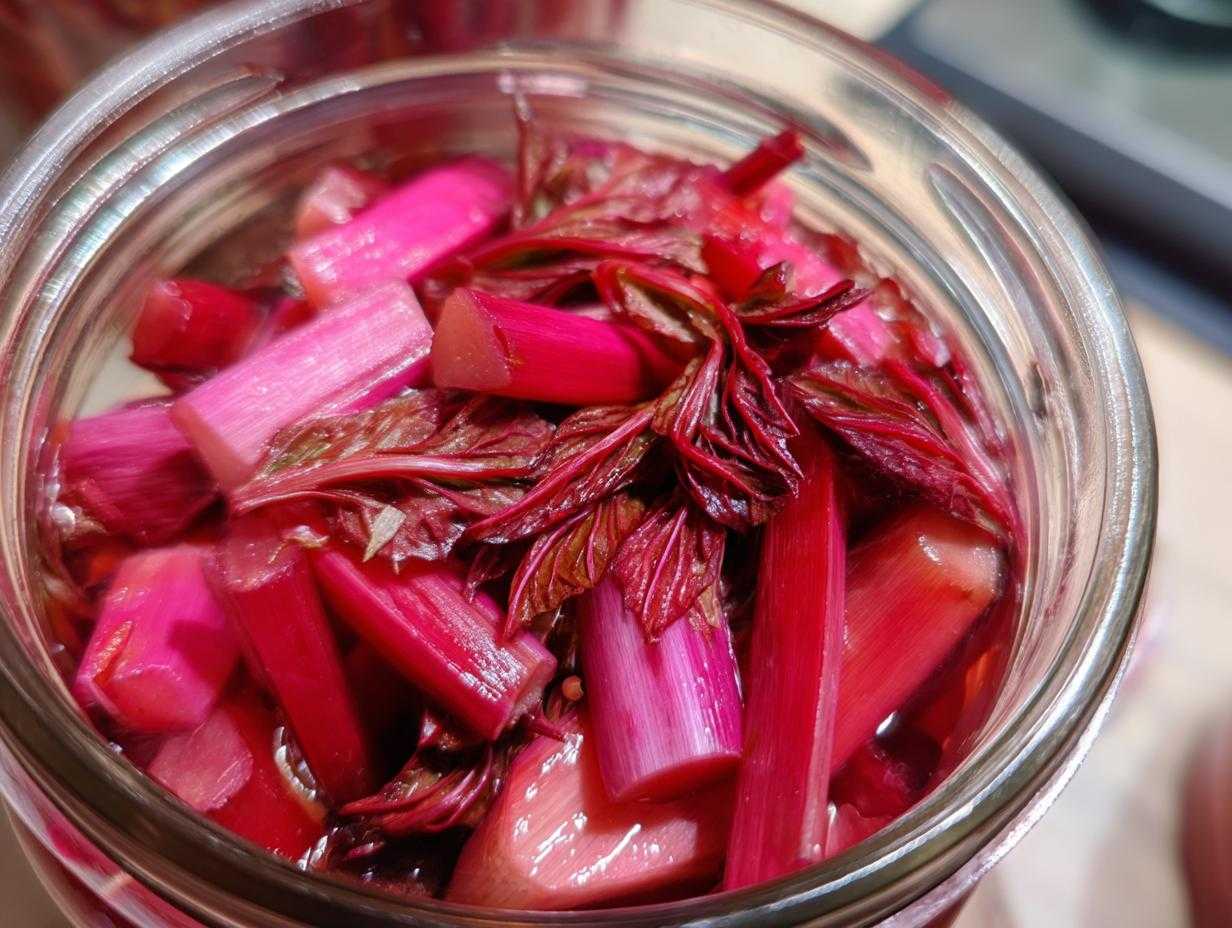
I love finding ways to use seasonal produce that feels completely unexpected, and I think you’re going to love this recipe if you’re tired of plain old dill pickles! Rhubarb isn’t just for pies, trust me; it’s phenomenal when preserved. We’re taking that incredible tartness and pairing it with the secret weapon of Japanese pickling: red shiso. Creating **Pickled Rhubarb with Red Shiso** is surprisingly fast, and the resulting flavor profile—that wonderful balance between tart, sweet, and subtly herbal—is just stunning. When you see that gorgeous pink hue, you’ll realize this is going straight into your weekly rotation. It’s basically my favorite way to preserve rhubarb right now!
Why You Will Love This Pickled Rhubarb with Red Shiso Recipe
Seriously, this recipe ticks every single box when it comes to making a pantry item special. You get big flavor without a huge commitment. Here’s why I think you’re going to keep coming back to this one:
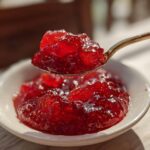
- Vibrant Color: The red shiso leaves work magic! You get this stunning, natural, bright pink pickled rhubarb that looks incredible on any platter. It’s way prettier than the pale green stuff most people stick to.
- Perfectly Balanced Flavor: It hits the sweet spot! You get the signature rhubarb tang, mellowed slightly by the sugar, but the shiso adds this amazing, slightly savory, almost minty background note that keeps things interesting.
- Super Quick Refrigerator Pickles: We aren’t doing complicated water baths here. This is a quick pickle—a hot brine goes over the veggies, and then they chill. You can eat them tomorrow!
- Unique Side Dish Potential: This isn’t just for sandwiches, though it’s great there. It’s a gourmet addition to charcuterie boards or a fantastic acidic counterpoint next to rich grilled pork chops.
Essential Ingredients for Perfect Pickled Rhubarb with Red Shiso
You only need a very short list of things for this recipe, which is part of why it’s so fantastic! Quality really matters here, especially since we aren’t cooking the rhubarb for long. You’ll need one pound of rhubarb, trimmed and cut squarely into 1-inch pieces. For the brine, grab one cup of water, one cup of white distilled vinegar, 3/4 cup of good granulated sugar, and one teaspoon of kosher salt. Don’t forget the stars: six to eight fresh red shiso leaves and one teaspoon of whole black peppercorns.
Ingredient Notes and Substitutions for Red Shiso Pickling
The red shiso is non-negotiable if you want the proper flavor and that signature pink color. It brings this wonderful, slightly earthy, herbaceous brightness. If, by some chance, you absolutely can’t find red shiso—maybe you’re in a pickle yourself!—you can use a few shredded leaves of red cabbage along with a tiny sprig of fresh mint in the jar. It won’t be the same, but it keeps the color coming and adds some freshness!
Equipment Needed for Making Pickled Rhubarb with Red Shiso
Don’t let the word “pickling” scare you; this setup is super simple since we’re just doing quick refrigerator pickles. You really don’t need any fancy gear for this recipe, which is great news! Grab yourself a medium saucepan—nothing fancy, just something that can safely handle boiling liquid. You need two perfectly clean, pint-sized canning jars. Make sure they have lids and bands ready to go. Oh, and this is a small thing, but crucial: have a plastic or wooden utensil handy. You’ll use it to gently poke around the jars to release air bubbles later, and you don’t want to use metal directly against the hot brine!
Step-by-Step Instructions for Pickled Rhubarb with Red Shiso
Okay, this is where the magic actually happens, and trust me, it moves fast! First things first, make sure your rhubarb is washed, trimmed, and cut into nice, even 1-inch chunks. They need to fit snugly in your jars for maximum contact with the brine. Now, for the brine itself: combine your water, vinegar, sugar, and salt in that saucepan. Get it over medium-high heat and stir it—stir it until you see all that sugar and salt dissolve completely. You want a clear liquid, not grainy sludge at the bottom!
Once it’s boiling and dissolved, pull it right off the heat immediately. While it’s still piping hot, it’s jar-filling time. Divide your rhubarb pieces, the gorgeous red shiso leaves, and those black peppercorns evenly between your two pint jars. Then, carefully pour that hot brine right over everything, making sure every piece of rhubarb is swimming. Don’t fill it to the brim; leave about a half-inch of space at the top, it’s called headspace, and it’s important!
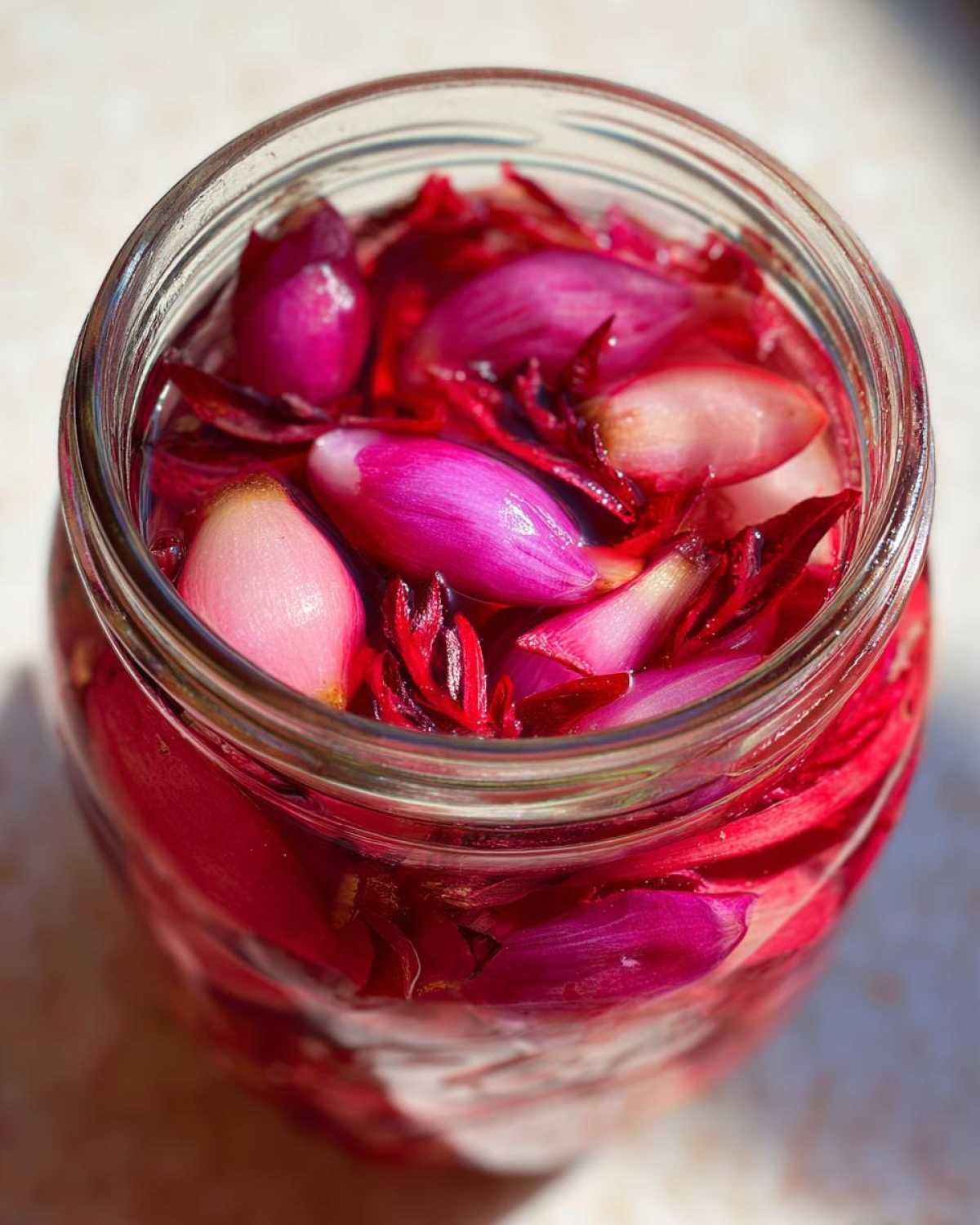
Next, take whatever non-metallic tool you grabbed—a chopstick works great!—and gently run it down the sides of the jar to coax out any trapped air bubbles. Wipe those rims super clean before sealing them up tight. Now, step one is done! Set the jars on the counter to cool naturally for around two hours. After that, they need to move to the fridge. Seriously, if you can manage not to eat them right away, let them chill for at least 24 hours. That resting time is when the rhubarb truly absorbs all those complex flavors, and the color deepens. If you’re looking for other quick preserves, I have a fantastic easy raspberry jam recipe that uses the same principle of quick, hot infusion!
Expert Tip for Bright Pink Pickled Rhubarb
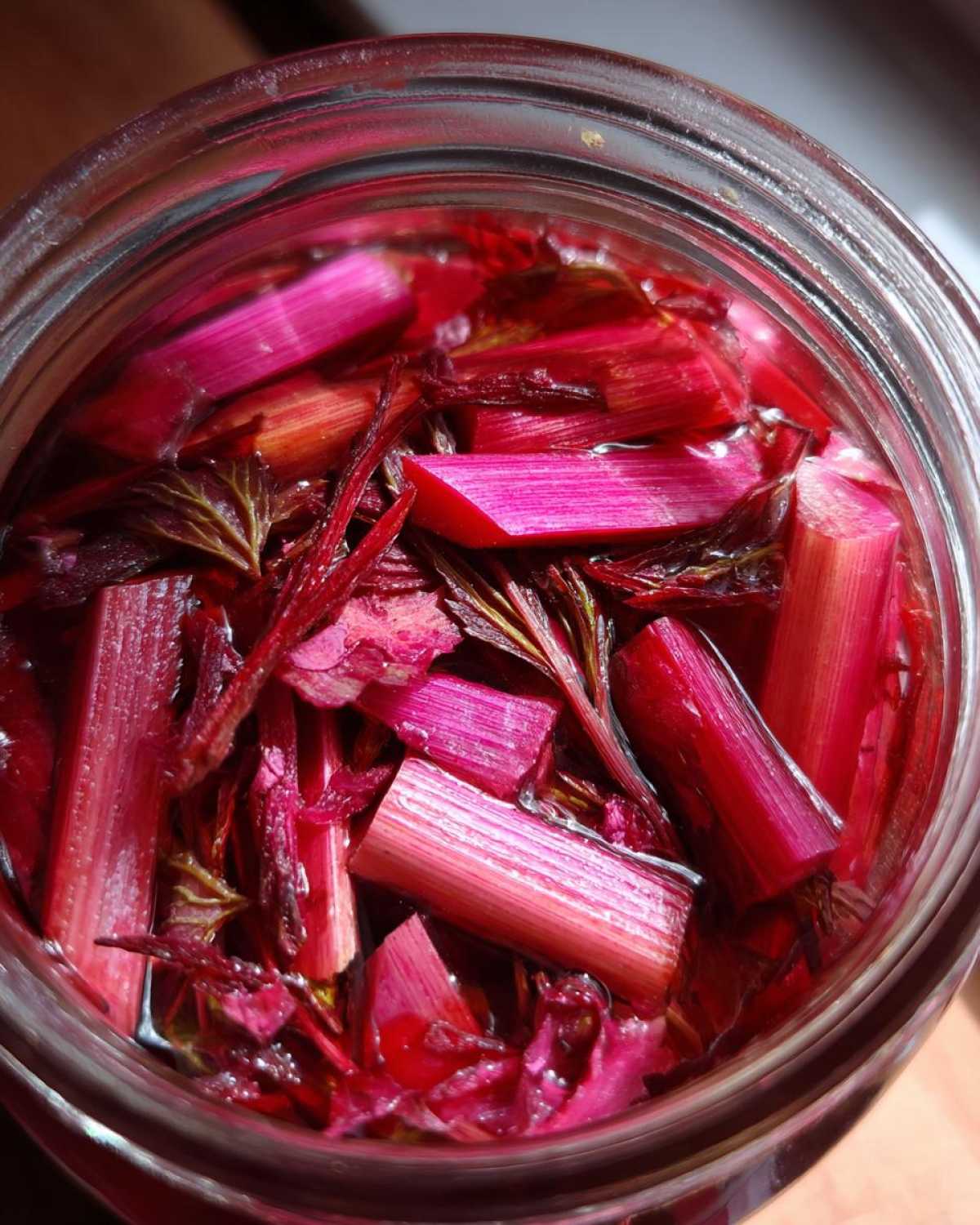
If you want that vibrant, watercolor pink effect that the red shiso is famous for, here’s my little secret: once you pour the hot brine in, resist the urge to stir the contents of the jar! You want the shiso leaves to infuse the liquid slowly and evenly around the rhubarb pieces without bruising them too much or messing up the layering. It’s all about gentle placement, not shaking. That way, they bleed that beautiful pigment naturally!
How to Store and Keep Your Pickled Rhubarb with Red Shiso
Because we used that quick hot brine and didn’t process these jars for shelf stability, these are true refrigerator pickles! That means they absolutely have to stay cuddling up in the cold environment of your fridge from the moment they cool down to room temperature. Don’t even think about leaving them on the counter once they’re sealed after cooling.
Now, this is the hardest part of the whole process, so brace yourself: patience! While you *could* technically eat them after 12 hours, the flavor is still kind of rough around the edges. You really, truly need to wait at least 24 hours for the sugar, salt, vinegar, rhubarb tang, and shiso essence to harmonize. Trust me, that extra day makes the difference between a decent pickle and a fantastic one.
If you’ve kept them covered and cold, these beauties should last for about two to three weeks easily. After that, the texture starts to soften up way too much for my liking. If you find yourself with a ton of rhubarb, it’s sometimes easier to just make a few jars at a time so you’re always eating them at their absolute peak crispness!
Serving Suggestions for Your Flavorful Preserved Rhubarb
So, you’ve got your gorgeous pink jars sitting in the fridge, and now you’re wondering what on earth to do with them besides just eating them straight out of the jar with a fork—which, by the way, I totally support!
Because the flavor profile here is a little more complex than your standard sweet pickle, it shines when paired with richness. Think about using them instead of cranberry sauce alongside roasted chicken or duck. It’s fantastic on a cheese board—the tartness cuts right through creamy Brie or sharp cheddar. They also make a surprising and zesty rhubarb side dish for savory grilled fish!
For a really casual moment, spoon a few pieces over plain Greek yogurt with a drizzle of honey. It’s an instant upgrade that brings that fantastic acidic pop. Don’t limit yourself; these flavorful preserved rhubarb pieces deserve to be highlighted!
Frequently Asked Questions About Pickled Rhubarb with Red Shiso
I always get asked the same few things when I share this recipe because it’s a little bit unusual, but stick with these quick tips and you’ll be fine! People always worry about the preservation method or what that mysterious shiso leaf is doing in there.
Can I make shelf-stable Pickled Rhubarb with Red Shiso?
That’s a great question about food safety, and I have to tell you honestly: no, you can’t safely make this shelf-stable with this recipe. Because we are just using a quick hot brine poured over the jars and then chilling them, these are strictly refrigerator pickles. If you want to can them for long-term storage on a shelf, you would need to use a proper hot water bath canning process with tested times and a specific ratio, which changes the texture. For guaranteed crispness and flavor, keep these beauties stored in the cold!
What does red shiso taste like in this Rhubarb pickle recipe?
This is where the fun is! The red shiso leaves are truly the unique element in this rhubarb pickle recipe. I would describe the flavor as having a very subtle, herbaceous lift—a bit like mint meets basil, but with a slightly savory, almost umami backbone. Its main job, though, is providing that unbelievable pink color that makes this such a beautiful pink pickled rhubarb! It never overwhelms the tartness of the vegetable, it just complements it.
How long does it take for the flavors to really set in?
I know, I know, waiting is the hardest part of any great recipe! While you can technically snack on them after 12 hours, give them a full 24 hours in the fridge before you really judge them. That night of quiet chilling turns a sharp, vinegary bite into something smooth, complex, and beautifully balanced. It’s worth keeping your hands off for that first day.
Can I use dried shiso instead of fresh leaves?
Honestly, for this recipe, I strongly recommend fresh! Dried herbs just don’t rehydrate the same way, and more importantly, they won’t release that glorious color needed to tint your rhubarb pink. If you can’t find fresh, you might be better off looking for a different herb, or just sticking to a plain vinegar preserved rhubarb where you just use peppercorns or dill.
Nutritional Snapshot of Vinegar Preserved Rhubarb
If you’re anything like me, knowing what we’re eating is just as important as how good it tastes! Since this recipe relies on sugar to balance that intense rhubarb tartness, the numbers reflect that. These figures are just estimates based on the exact measurements in the recipe proportions, so keep in mind they aren’t official lab results, just a handy guide.
For a standard serving size of about a quarter cup of these Asian pickled rhubarb treats, here’s the breakdown:
- Calories: About 65 per serving
- Sugar: 15 grams (This is where the sweetness comes from!)
- Sodium: 180 milligrams
- Fat: Zero!
- Protein: Also zero, which is typical for pickled vegetables.
- Carbohydrates: 16 grams
Since this preparation uses vinegar and relies on proper refrigeration, we don’t see any cholesterol or fat content. It’s a surprisingly low-fat way to eat your vegetables, provided you don’t over-indulge and eat the whole jar in one sitting—which I definitely haven’t done! (Okay, maybe once or twice.)
Share Your Unique Pickle Recipes Experience
Well, that’s it! You have officially mastered what I think is one of the most exciting and flavorful ways to deal with a haul of fresh rhubarb. I genuinely hope you love this **Pickled Rhubarb with Red Shiso** as much as my family does. That gorgeous pink color and that tangy, herby flavor really make it shine!
I put so much care into making sure these instructions were clear because I want everyone to succeed, whether you’re making your first batch of refrigerator pickles or you’re a seasoned preserver looking for fun new twists. If you found a way to serve this uniquely—maybe atop some fantastic grilled salmon, or as a sharp contrast to some creamy cheese—please tell me about it!
Head down to the comments section below. I want to know how your first batch turned out! Did the red shiso dye everything the perfect shade of pink? Would you try this method again with other veggies? Drop a rating below if you loved this inspiration for unique pickle recipes. Happy pickling, friends!
Print
Pickled Rhubarb with Red Shiso
- Total Time: 25 min
- Yield: 2 pints
- Diet: Vegetarian
Description
A recipe for making tart and flavorful pickled rhubarb using red shiso leaves for color and subtle herbal notes.
Ingredients
- 1 pound fresh rhubarb stalks, trimmed and cut into 1-inch pieces
- 1 cup water
- 1 cup white distilled vinegar
- 3/4 cup granulated sugar
- 1 teaspoon kosher salt
- 6-8 fresh red shiso leaves
- 1 teaspoon whole black peppercorns
Instructions
- Wash and trim the rhubarb. Cut the stalks into 1-inch pieces.
- In a medium saucepan, combine the water, vinegar, sugar, and salt. Bring the mixture to a boil over medium-high heat, stirring until the sugar and salt dissolve completely. This is your brine.
- Remove the brine from the heat.
- Gently place the rhubarb pieces, red shiso leaves, and black peppercorns into two clean, pint-sized canning jars, distributing the shiso leaves evenly between them.
- Carefully pour the hot brine over the rhubarb in the jars, ensuring the rhubarb is fully submerged. Leave about 1/2 inch of headspace at the top of each jar.
- Remove any trapped air bubbles using a non-metallic utensil. Wipe the rims clean.
- Seal the jars with lids and bands. Let the jars cool on the counter for 2 hours.
- Once cooled, transfer the jars to the refrigerator. Allow the pickles to chill for at least 24 hours before eating to let the flavors develop.
Notes
- The red shiso leaves will impart a beautiful pink hue to the rhubarb.
- This recipe makes refrigerator pickles and must be stored in the refrigerator.
- If you prefer a less sweet pickle, reduce the sugar to 1/2 cup.
- Use only fresh, firm rhubarb stalks for the best texture.
- Prep Time: 15 min
- Cook Time: 10 min
- Category: Side Dish
- Method: Refrigerator Pickling
- Cuisine: Japanese Inspired
Nutrition
- Serving Size: 1/4 cup
- Calories: 65
- Sugar: 15
- Sodium: 180
- Fat: 0
- Saturated Fat: 0
- Unsaturated Fat: 0
- Trans Fat: 0
- Carbohydrates: 16
- Fiber: 1
- Protein: 0
- Cholesterol: 0


Comments are closed.