

When that first bundle of ruby-red rhubarb shows up at the market, you just know it’s time for a little kitchen magic. We all know rhubarb makes amazing pies, but the real game-changer? Making homemade rhubarb spread that lasts! Forget those overly sweet jellies; we’re going for depth here. This recipe is the absolute best way to capture that perfect sweet tanginess from the stalks, all wrapped up with warm spices. I’ve been messing with fruit preserves since I was old enough to hold a wooden spoon, and I finally tweaked this version until it was spot-on: a thick, luscious Cinnamon Rhubarb Butter that tastes incredible on everything.
Trust me, once you try this stuff, you’ll see why I insist on making big batches. It’s that perfect blend of tartness and spice, and it’s shockingly easy to nail the texture—no special equipment needed, just a little patience! We’re turning seasonal tartness into a year-round treat.
Why You Will Make This Cinnamon Rhubarb Butter Recipe Often
This recipe is going straight into your favorite rotation, I promise. It’s not just a condiment; it’s truly special!
- It captures the fantastic seasonal flavor of fresh rhubarb perfectly.
- The combination of cinnamon and nutmeg elevates it way beyond a basic fruit sauce.
- It’s fantastic for gifting—who doesn’t love homemade preserves?
- You get that incredible, thick fruit butter texture without needing any added pectin.
For other simple canning ideas that taste amazing, check out my no-pectin raspberry jam recipe!
Essential Ingredients for Perfect Cinnamon Rhubarb Butter
When we talk about making real fruit butter, the ingredients need to sing together. This recipe keeps things simple, focusing on getting the absolute best flavor out of your fresh rhubarb. Don’t skimp on the cinnamon here; it’s what makes this a true stand-out spread!
- 3 lbs fresh rhubarb, chopped into 1-inch pieces—make sure those stalks are nice and firm!
- 2 cups granulated sugar (It balances that rhubarb tartness beautifully).
- 1/2 cup water
- 1 tablespoon lemon juice (This helps everything set up nicely and brightens the flavor).
- 1 teaspoon ground cinnamon
- 1/4 teaspoon ground nutmeg
That’s it! Simple, tart, sweet, and spicy. You’ll be amazed at how deep the flavor gets after cooking down.
Step-by-Step Guide to Making Cinnamon Rhubarb Butter
Alright, now for the fun part—the actual cooking! Making fruit butter takes a bit more time than jam, but don’t worry, most of that time is hands-off simmering. You just need a heavy pot so the bottom doesn’t scorch while we cook this down low and slow. You’ll want to have your jars sterilized and ready to go before you even start cooking, because once it’s thick, you want to get it in those jars right away.
Preparing the Rhubarb Base for Cinnamon Rhubarb Butter
First up, get your chopped rhubarb, water, and lemon juice into that big pot. Turn the heat to medium and let it bubble gently until the rhubarb completely falls apart. This only takes about 15 to 20 minutes. You’re looking for sad, mushy stalks—no crunch allowed! This breakdown step is key because it releases all that natural pectin and liquid we need for the base. Once it looks like applesauce that hasn’t been blended yet, sprinkle in that sugar, cinnamon, and nutmeg. Stir it well until that sugar disappears.
Thickening and Flavor Infusion for Your Cinnamon Rhubarb Butter
Now, this is where the patience comes in. Turn the heat down to medium-low—we want a gentle, slow bubble. You absolutely must stir frequently here, especially toward the end, because the sugar content makes it really want to stick and burn on the bottom. We cook this uncovered for about an hour and a half until it looks significantly darker and feels thick on the spoon. If you drag your spoon across the bottom, the trail should stay clear for a second or two. Don’t rush this part; this slow reduction is what concentrates the sweet tangy rhubarb flavor into that perfect buttery consistency. If you’re looking for other slow-cooked fruit magic, you might love my stovetop homemade applesauce recipe!
Achieving the Smooth Texture in Your Homemade Rhubarb Spread
Once it’s thick enough, take it off the heat! This is important for safety. You can use an immersion blender right in the pot, which is my favorite way because cleanup is minimal. If you use a standard blender, you have to transfer it in batches. Super important tip: never fill that blender jar more than halfway with hot liquid, and leave the center cap off, covering the hole with a doubled-up kitchen towel. That steam builds pressure fast, and you do *not* want hot rhubarb butter exploding on your ceiling! Blend until it is baby-food smooth.
Jarring and Processing Your Cinnamon Rhubarb Butter
Return that silky smooth puree back to the pot and let it bubble for just 5 more minutes to ensure it’s piping hot before jarring. Ladle it carefully into your sterilized jars, making sure you leave exactly 1/4 inch of space at the top—that’s called headspace, and it’s crucial for a good seal. Wipe the rims super clean—any sticky spot can stop the lid from sealing tight. Then, process those sealed jars in a rolling boil water bath for 10 minutes. If you’re only making a small batch, just pop the lids on and stick it in the fridge, but the water bath guarantees you that long shelf life!
Tips for Success When Making Cinnamon Rhubarb Butter
Even though this recipe is wonderfully forgiving—it’s rhubarb, after all—I’ve picked up a couple of tricks over the years to make sure your Cinnamon Rhubarb Butter is absolutely perfect every single time. Don’t let that long simmer time fool you; it’s mostly hands-off!
If your rhubarb seems particularly more tart than usual, don’t just dump in more sugar right away. Instead, try adding just 1/4 cup more sugar during the thickening stage. Taste it after it reduces for another 30 minutes. Sometimes the flavor concentrates so much that it balances itself out! We want that sweet-tangy balance, not just pure sweetness.
The most critical thing, especially when you start blending, is preventing scorching. Seriously, stay close during that last hour of slow simmering. If you notice the bottom starting to stick even a little bit, take the pot off the heat immediately, give it a good scrape underneath, and then put it back on the lowest setting. A little smoke flavor isn’t what we are going for!
Also, here’s a slightly different approach if you’re in a hurry or just made too much: you can skip the canning step entirely. This homemade rhubarb spread keeps beautifully in a jar in the fridge for about three weeks. If you want it to last longer than that just without the boiling water bath, it freezes like a dream, too! For more great ideas on preserving, you should look at my easy apple jam recipe without pectin; the principles are similar.
Storage and Shelf Life for Homemade Rhubarb Spread
So you made it! You have these gorgeous jars of vibrant, spicy Cinnamon Rhubarb Butter lined up. Now, how do we keep this treasure tasting perfect for months? It all depends on what you decided to do right after blending and ladling.
If you went through the full boiling water bath process—and you made sure that seal popped tight—you have officially created long shelf life rhubarb preserves! These beautiful jars are shelf-stable, meaning you can completely ignore them in a cool, dark cupboard for up to a year. I usually try to use them within eight months just because they taste so fresh, but they hold up incredibly well.
If you only made a small batch, or you just couldn’t wait to try some right away and skipped the canning line, don’t panic! Just let the jars cool completely, screw those lids on tight, and pop them straight into the refrigerator. In the fridge, this sweet tangy rhubarb condiment is usually good for about three weeks. Because it’s high in sugar and cooked down so much, it holds up longer than regular fresh rhubarb sauce would.
My favorite method, honestly, is freezing. If you use freezer-safe containers (not your pretty canning jars unless they are specifically marked for freezing!), you can store this topping for up to six months. Thaw it overnight in the fridge, and you’re ready to go! For extra tips on managing your home canning, take a peek at my notes on using a stovetop home canner; the process is identical for this rhubarb butter.
Serving Suggestions for Cinnamon Spiced Rhubarb Topping
Okay, staring at those jars lined up on the counter is rewarding, but staring only gets you so far, right? You have to eat it! I know many people think of fruit butter only for toast, but this Cinnamon Rhubarb Butter earns its keep in so many different ways because it has that wonderful tart kick that cuts through sweetness.
First things first: Slathered thickly over a warm scone or a fresh piece of sourdough toast? Yes, please! But don’t stop there. I love swirling a big spoonful into plain Greek yogurt in the morning. That combination of creamy, tart, and spicy is just breakfast gold.
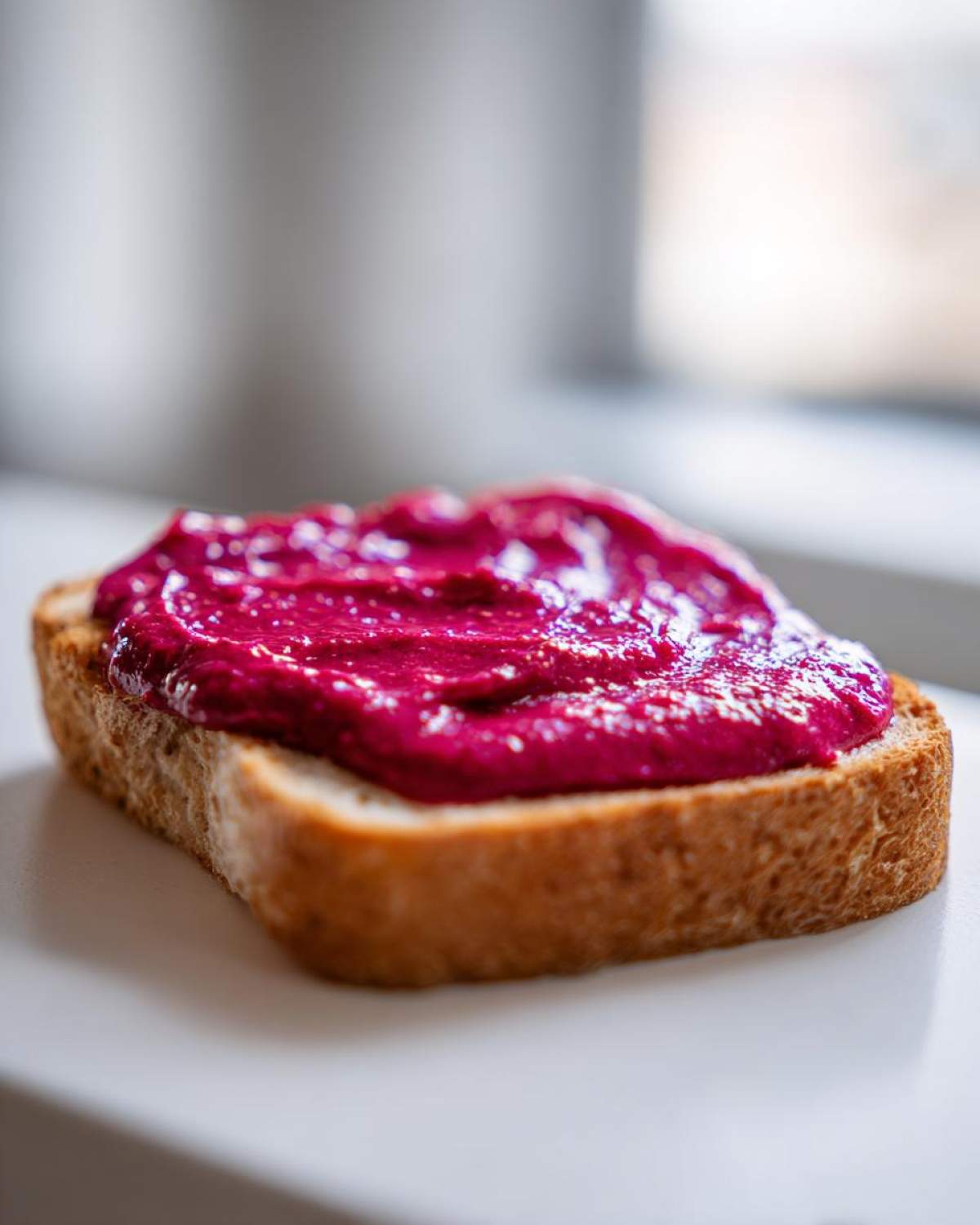
If you’re looking for fantastic rhubarb dessert topping ideas, this is where it shines. Try heating it gently and drizzling it over vanilla ice cream—the spice blooms when it hits the cold. Seriously, it’s heaven. You can also use it just like you would use jam inside a thumbprint cookie dough before baking. For something really show-stopping, try using it as the layer between cake sponges. It’s amazing for this, especially if you’re making something less sweet, like an almond cake.
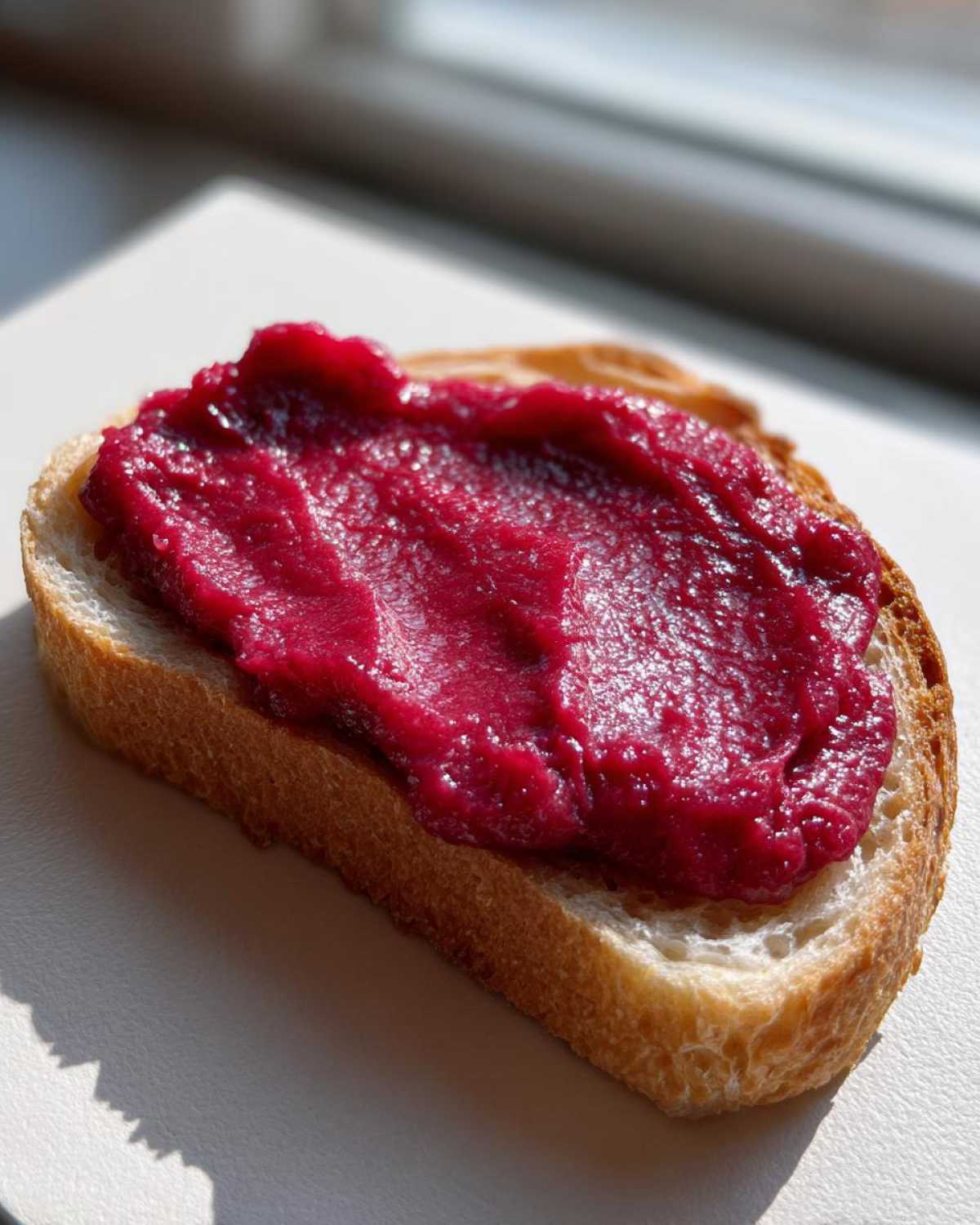
My personal favorite, though? When I’m feeling lazy, I chop up some rhubarb, toss it with a little butter and brown sugar, and then swirl this homemade spread right through it before baking it into these amazing, gooey bars. If you want to try that, you should check out my rhubarb oat bars recipe—it uses this exact butter for the filling!
Frequently Asked Questions About Rhubarb Fruit Butter Recipe
I get so many questions when people first try making preserves, especially when they see a recipe calling for hours of simmering! Don’t let the process intimidate you. The wonderful thing about this rhubarb fruit butter recipe is that it’s much easier than it looks, but I know a few things trip people up.
Can I make Cinnamon Rhubarb Butter without canning?
Oh, absolutely, and I do this all the time when I’m just making a test batch or if I know we’ll eat it within a couple of weeks! If you skip the water bath processing, you just need to cool the jars completely after filling them, wipe the rims down, and put them right into the fridge. That homemade rhubarb spread will last for about three weeks when kept cold. If you want it to last longer than that without canning, freezing is your best friend. Check out my tips on how to freeze peaches—the same freezer storage advice applies here!
Is this recipe suitable for beginners learning how to make fruit butter?
Yes! This is a fantastic starting point if you’re just learning how to make fruit butter for beginners. Why? Because we aren’t messing with commercial pectin. The texture comes naturally from cooking down the rhubarb until it’s super thick. The only real trick is remembering to stir during the long simmer so nothing scorches. Honestly, it’s mostly an unattended simmering time, which is perfect for a beginner!
What is the best sugar substitute if I want a lower-sugar condiment?
That’s a great question, especially since this recipe calls for 2 cups of sugar! Rhubarb is naturally very tart, so sugar plays a big role in flavor and preservation. If you want less sugar, you can reduce the 2 cups down to 1 1/2 cups safely without touching the canning process. If you go lower than that, you should switch to freezing or refrigeration only, as the low sugar content won’t provide enough acidity protection for shelf stability. You can experiment with monk fruit or erythritol blends, but you’ll likely need to add a little extra lemon juice to compensate for the lack of acidity that naturally occurs when sugar reduces.
Can I use frozen rhubarb instead of fresh?
You definitely can! Since we cook the rhubarb down until it completely disintegrates anyway, using frozen stalks works just fine. You don’t need to thaw them first, either. Just toss them straight from the freezer into the pot with the water and lemon juice. You’ll probably need an extra 5 to 10 minutes during that initial breakdown phase because the frozen rhubarb releases its liquid more slowly when it starts cooking.
Estimated Nutritional Data for Cinnamon Rhubarb Butter
Now, I know when we’re making incredible homemade preserves, we aren’t exactly whipping these up with health goals in mind—we want pure, delicious flavor! But for those of you who track things, I pulled together the estimated nutritional breakdown for our Cinnamon Rhubarb Butter. Since this recipe makes about four half-pint jars, these numbers are based on a serving size of two tablespoons.
- Serving Size: 2 tablespoons
- Calories: 75
- Sugar: 18g
- Sodium: 1mg
- Fat: 0g
- Protein: 0g
- Carbohydrates: 19g
Just a friendly little note here: these figures are estimates! They are calculated based on the exact measurements I gave you using standard granulated white sugar. If you swap out the sugar for a specialty sweetener or use wildly different proportions of rhubarb, these numbers will change. But hey, look at that zero fat! That’s a win when you’re spreading this tangy goodness on buttered toast!
Share Your Sweet Tangy Rhubarb Condiment Success
Whew! You made it through the entire process, and I bet your kitchen smells absolutely incredible right now. Seeing those jars of richly colored, spicy Cinnamon Rhubarb Butter lined up is such a satisfying feeling, isn’t it? It’s moments like this that make all that stirring time worth it!
Now, I need to know how it turned out for you! Did you use it on scones? Did you sneak a spoonful straight from the jar while it was still warm? Please don’t be shy—come on down to the comments section below and tell me everything. I love hearing how you use these seasonal recipes in your own kitchens!
If this sweet tangy rhubarb condiment has made it into your regular rotation, please think about leaving a rating for the recipe. Every rating the recipe gets helps other folks learn just how amazing this spread is. If you shared photos on social media, tag me! I’m always looking for new ways to use up seasonal produce. And hey, if you’re looking for another simple, satisfying recipe to use up more harvest goodness, you have to check out my easy berry chia overnight oats—it’s another great way to brighten up breakfast!
Print
Cinnamon Rhubarb Butter
- Total Time: 2 hours 0 min
- Yield: About 4 half-pint jars
- Diet: Vegetarian
Description
Make a tangy and sweet spread using fresh rhubarb, cinnamon, and sugar. This recipe results in a thick, flavorful fruit butter perfect for toast or baking.
Ingredients
- 3 lbs fresh rhubarb, chopped into 1-inch pieces
- 2 cups granulated sugar
- 1/2 cup water
- 1 tablespoon lemon juice
- 1 teaspoon ground cinnamon
- 1/4 teaspoon ground nutmeg
Instructions
- Place the chopped rhubarb, water, and lemon juice in a large, heavy-bottomed pot or Dutch oven.
- Bring the mixture to a simmer over medium heat. Cook, stirring occasionally, until the rhubarb breaks down completely, about 15 to 20 minutes.
- Stir in the sugar, cinnamon, and nutmeg. Continue to cook over medium-low heat, stirring frequently to prevent sticking.
- Cook uncovered for 1 to 1.5 hours, or until the mixture has thickened considerably and coats the back of a spoon. The color will deepen.
- Remove the pot from the heat. Use an immersion blender or carefully transfer the mixture to a standard blender to puree until smooth. Blend in batches if necessary.
- Return the smooth butter to the pot and simmer for another 5 minutes to ensure it is hot before jarring.
- Ladle the hot butter into sterilized jars, leaving 1/4 inch headspace. Wipe rims clean and seal with lids and bands.
- Process in a boiling water bath for 10 minutes for shelf stability, or cool completely and store in the refrigerator for up to 3 weeks.
Notes
- For a smoother texture, press the cooked rhubarb through a food mill before adding sugar.
- If you prefer a less tart spread, increase the sugar by 1/4 cup.
- This butter freezes well in freezer-safe containers for up to 6 months.
- Prep Time: 15 min
- Cook Time: 1 hour 45 min
- Category: Preserves
- Method: Stovetop Cooking
- Cuisine: American
Nutrition
- Serving Size: 2 tablespoons
- Calories: 75
- Sugar: 18g
- Sodium: 1mg
- Fat: 0g
- Saturated Fat: 0g
- Unsaturated Fat: 0g
- Trans Fat: 0g
- Carbohydrates: 19g
- Fiber: 1g
- Protein: 0g
- Cholesterol: 0mg


Comments are closed.