
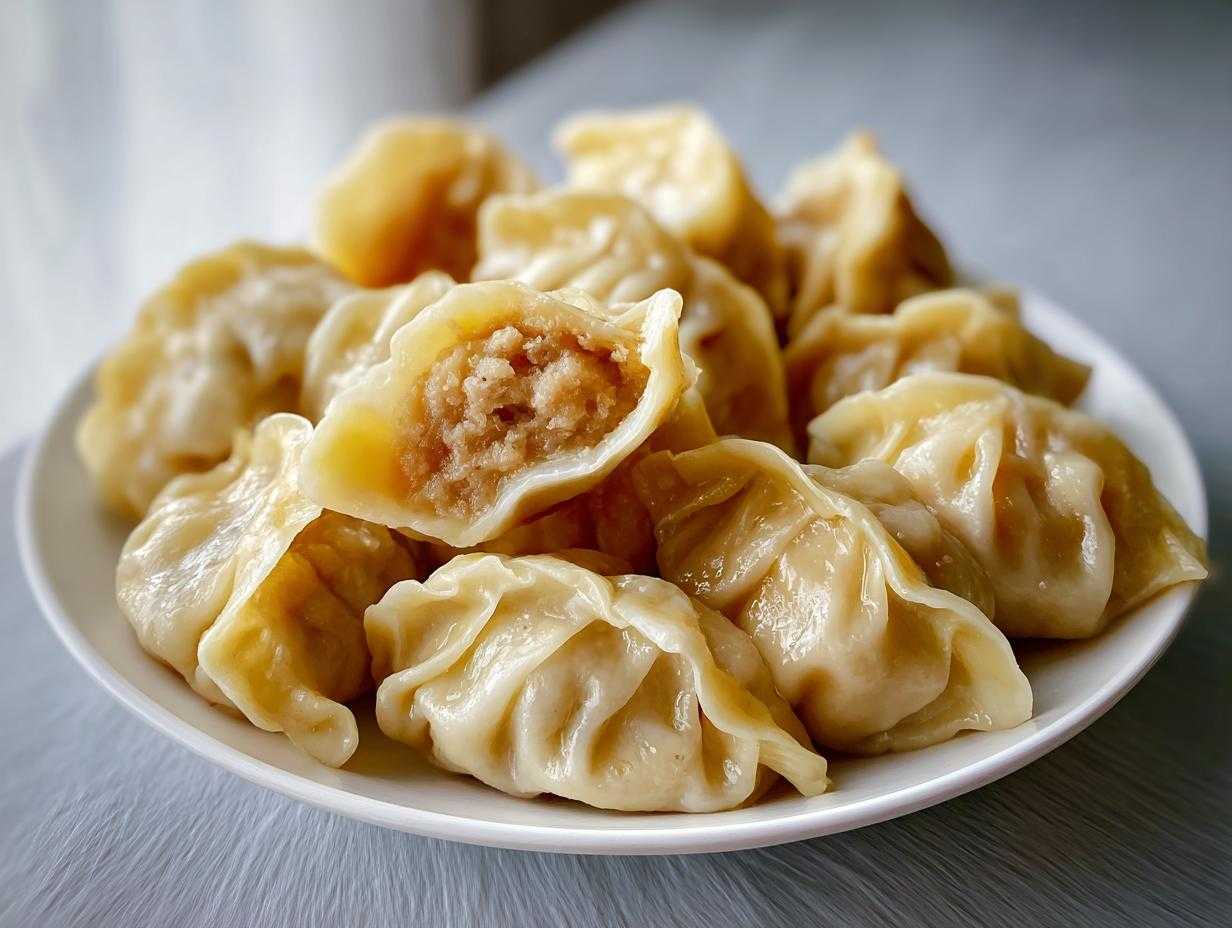
Oh, my friends, there’s nothing quite like the feeling of sitting down to a bowl of steaming, perfectly cooked dumplings that you made entirely by hand. It brings me right back to my grandmother’s kitchen, even though her specialties were distinctly Italian! But the heart of cooking—that deep connection to tradition and nurturing those you love—is universal, right? That’s why I am so thrilled to share this guide on making the most comforting, authentic **Traditional Chinese Dumplings**. We are focusing today on the classic boiled style, or *Shui Jiao*. Trust me, once you master the homemade dough and that juicy filling, you’ll see why keeping culinary traditions alive is so important. Let’s get started creating memories in your kitchen!
Why This Authentic Chinese Dumpling Recipe Stands Out
When you make these dumplings, you aren’t just cooking a meal; you’re honoring centuries of tradition. Forget the bland, store-bought versions! This recipe delivers that deeply satisfying, authentic flavor profile we are all chasing.
- The dough has the perfect chew because we let it rest properly.
- We use a special mixing technique to guarantee a wonderfully juicy dumpling filling inside.
- It covers the classic *Shui Jiao* method, ensuring incredible flavor balance.
Gathering Ingredients for Traditional Chinese Dumplings
You know, the absolute best **Traditional Chinese Dumplings** start with ingredients you respect! We need clear measurements here because, unlike my Italian cooking where I eyeball everything, dumplings demand a little more precision right from the start. Don’t skimp on the freshness—it truly makes a difference, especially with the pork and ginger.
For the Dumpling Dough
Think of this as your canvas. A good, supple dough is the foundation for your **Traditional Dumpling Dough Recipe**. It needs to be just right so you can roll it thin without tearing!
- 3 cups all-purpose flour
- 1 cup warm water (and have a tiny bit extra handy if needed!)
For the Juicy Pork and Cabbage Filling
This is where the magic really happens! We are aiming for that signature moisture. Remember, we have to treat that cabbage right to unlock **The Secret to Juicy Dumpling Filling**.
- 1 pound ground pork (I love an 80/20 blend here)
- 1 pound Napa cabbage, very finely chopped
- 1/2 cup finely chopped fresh chives
- 2 tablespoons soy sauce
- 1 tablespoon sesame oil
- 1 tablespoon grated fresh ginger (don’t use the jarred stuff!)
- 1 teaspoon salt
- 1/2 teaspoon white pepper
For the Traditional Dipping Sauce (Optional Addition)
While the dumplings are the star, every great performance needs the right accompaniment. You will absolutely want a killer sauce for these. Keep some good quality soy sauce, a bit of black vinegar, thin slivers of ginger, and maybe a drizzle of chili oil ready for when your *Shui Jiao* come out of the water. That little bit of acidity balances the richness perfectly.
How to Prepare Your Traditional Chinese Dumplings From Scratch
Alright, now we roll up our sleeves! This is where things get wonderfully hands-on. Don’t be intimidated by making everything from scratch; it’s much simpler than it looks, especially since we let the dough do most of the hard work for us. Following these steps exactly is my secret to consistently perfect **Homemade Jiaozi Instructions**.
Making the Perfect Traditional Dumpling Dough Recipe
We start by combining the flour and warm water slowly in a big bowl. Mix it until it looks shaggy—don’t overthink it! Then, you need to get in there and knead for a solid 8 to 10 minutes until the dough is surprisingly smooth. Now, this next step is non-negotiable: cover that dough with a damp cloth and let it rest for at least 30 minutes. That resting time is crucial! It relaxes the gluten we just worked so hard to develop, making the dough super pliable and easy to roll thin later without fighting it every second.
Achieving the Best Chinese Dumpling Filling Ideas
First things first with the cabbage: sprinkle it with salt and let it stand for 15 minutes. This draws out all that extra water that causes soggy dumplings. Squeeze it until you think it couldn’t possibly give up any more moisture—then squeeze it one more time! Combine the thoroughly squeezed cabbage, the ground pork, chives, ginger, and seasonings. Now, for the juiciness tip: mix this filling vigorously, always stirring in the *same single direction*. Stop when the mixture starts getting sticky and looks almost like a paste. This movement emulsifies the fats and juices, locking in flavor!
How to Fold Chinese Dumplings Perfectly: Mastering Chinese Dumpling Pleats
Take your rested dough and roll those little pieces into thin circles, remembering to keep the center slightly thicker than the edges. Spoon about a teaspoon of filling into the middle. Moisten the edges with a tiny bit of water—this is our glue! Fold it into a half-moon shape. This is where the artistry comes in for **Mastering Chinese Dumpling Pleats**. You pinch the center shut, then create those signature little pleats along one side, pressing firmly as you go to make sure every single one is sealed tight. If you mess one up, don’t sweat it! Just try the next one; practice makes perfect.
Cooking the Traditional Chinese Dumplings (Shui Jiao Tutorial)
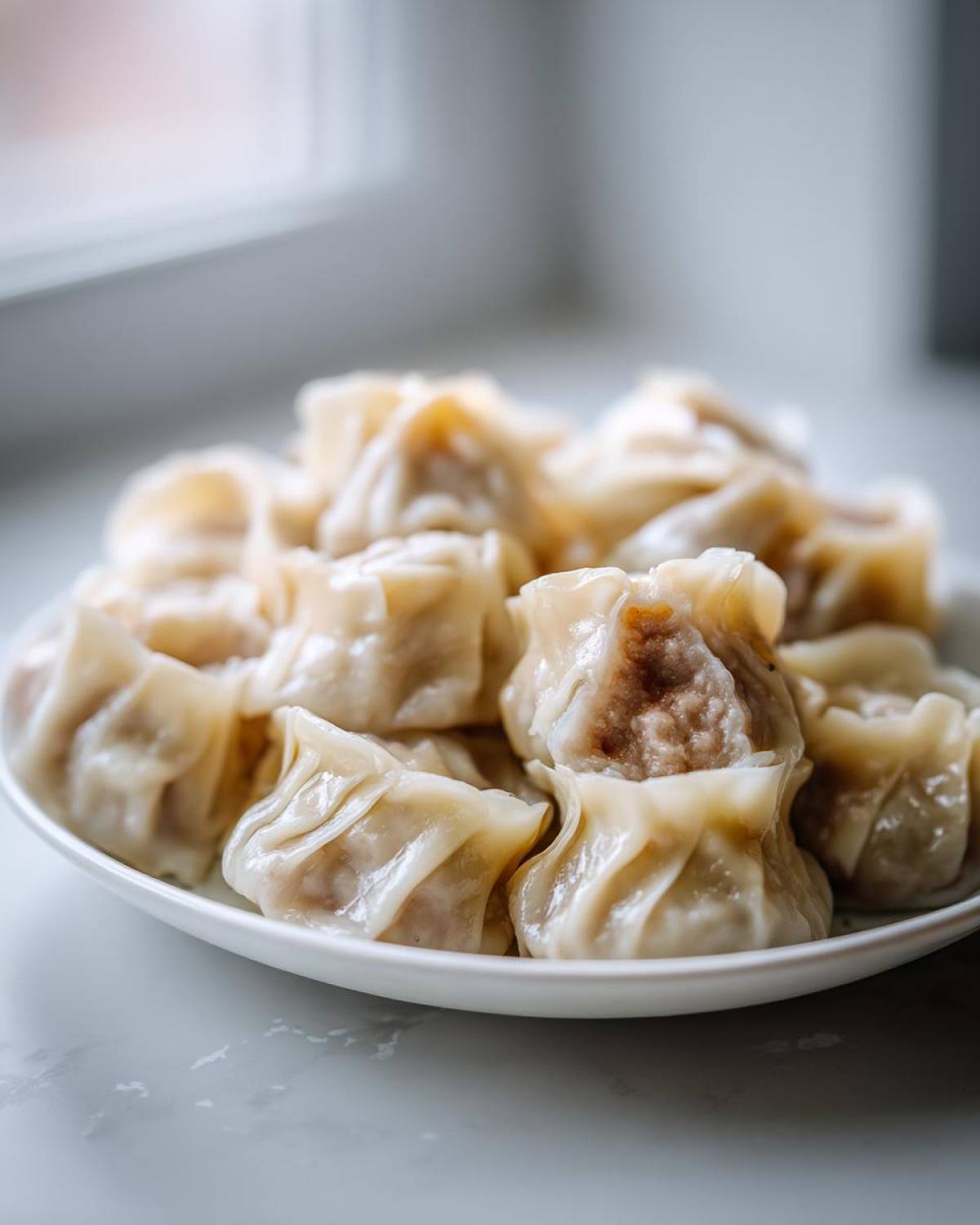
For the classic boiled method, bring a giant pot of water to a full, rolling boil. Gently drop your dumplings in, stirring right away so they don’t glue themselves to the bottom of the pot. Once the water starts bubbling hard again, add a big splash of cold water. Repeat this cooling process two more times! This slow, staggered boiling is key to cooking the filling without ripping the delicate wrapper. They are ready when they float to the top and look big and plump—usually about 5 to 7 minutes after that final cold water addition. This simple technique is the heart of a perfect Boiled Dumplings Shui Jiao Tutorial.
Tips for Success When Making Traditional Chinese Dumplings
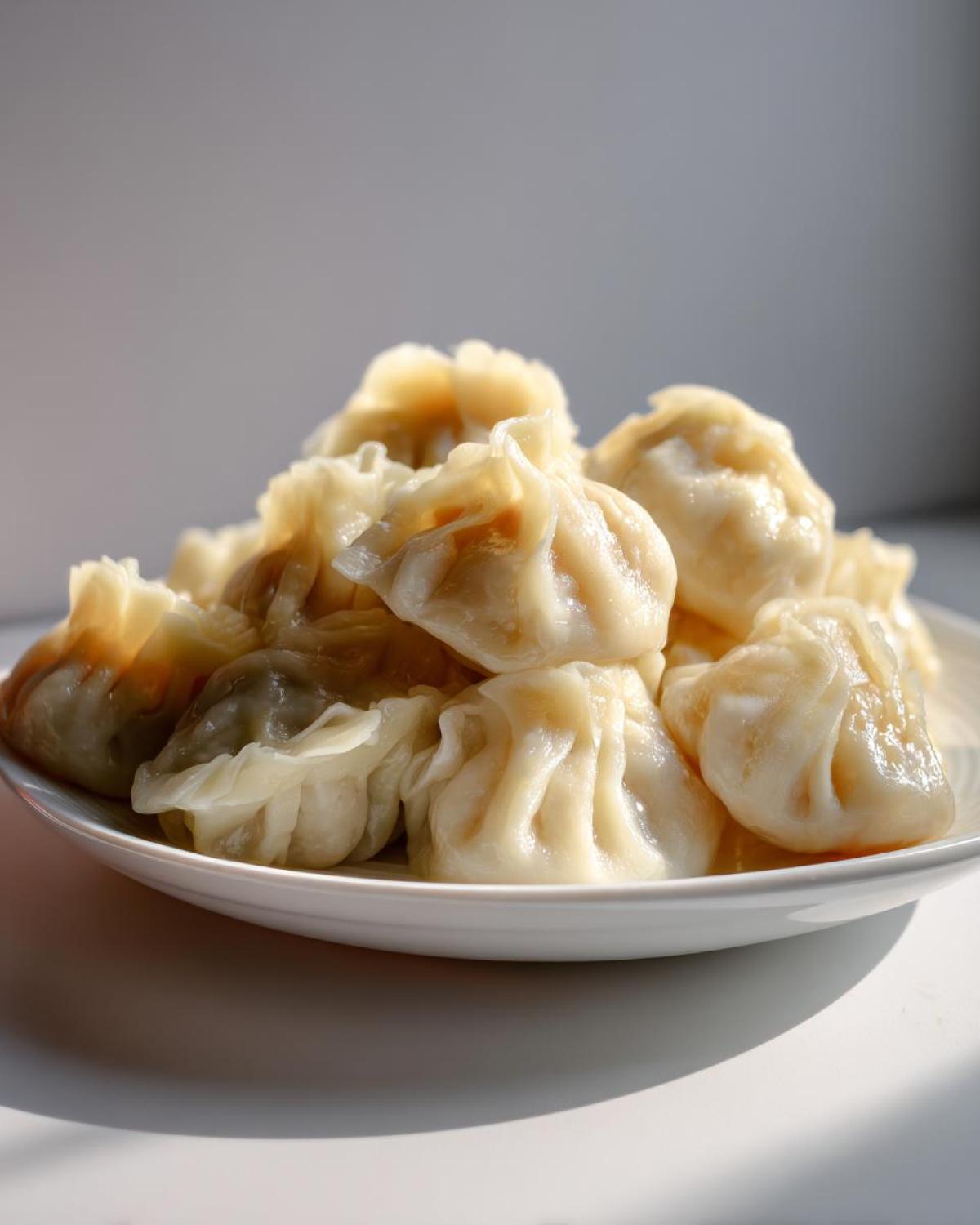
Whew, the assembly can take a while, but don’t rush the steps we just covered! They are worth the patience. Remember that dough scrap I mentioned earlier? Save those little extra bits after you cut your wrappers, roll them super thin, and use them to practice your folding technique until those pleats look fantastic. Don’t waste the dough!
Also, if you find yourself wanting a different texture later—maybe crispy bottoms instead of boiled—don’t panic! You can easily make these into a **Classic Potsticker Recipe From Scratch**. Just pan-fry them in a tiny bit of oil until the bottom is lovely and golden brown. Then, add just a half-inch of water, slap a lid on, and let them steam until the pork is cooked through. It’s delicious!
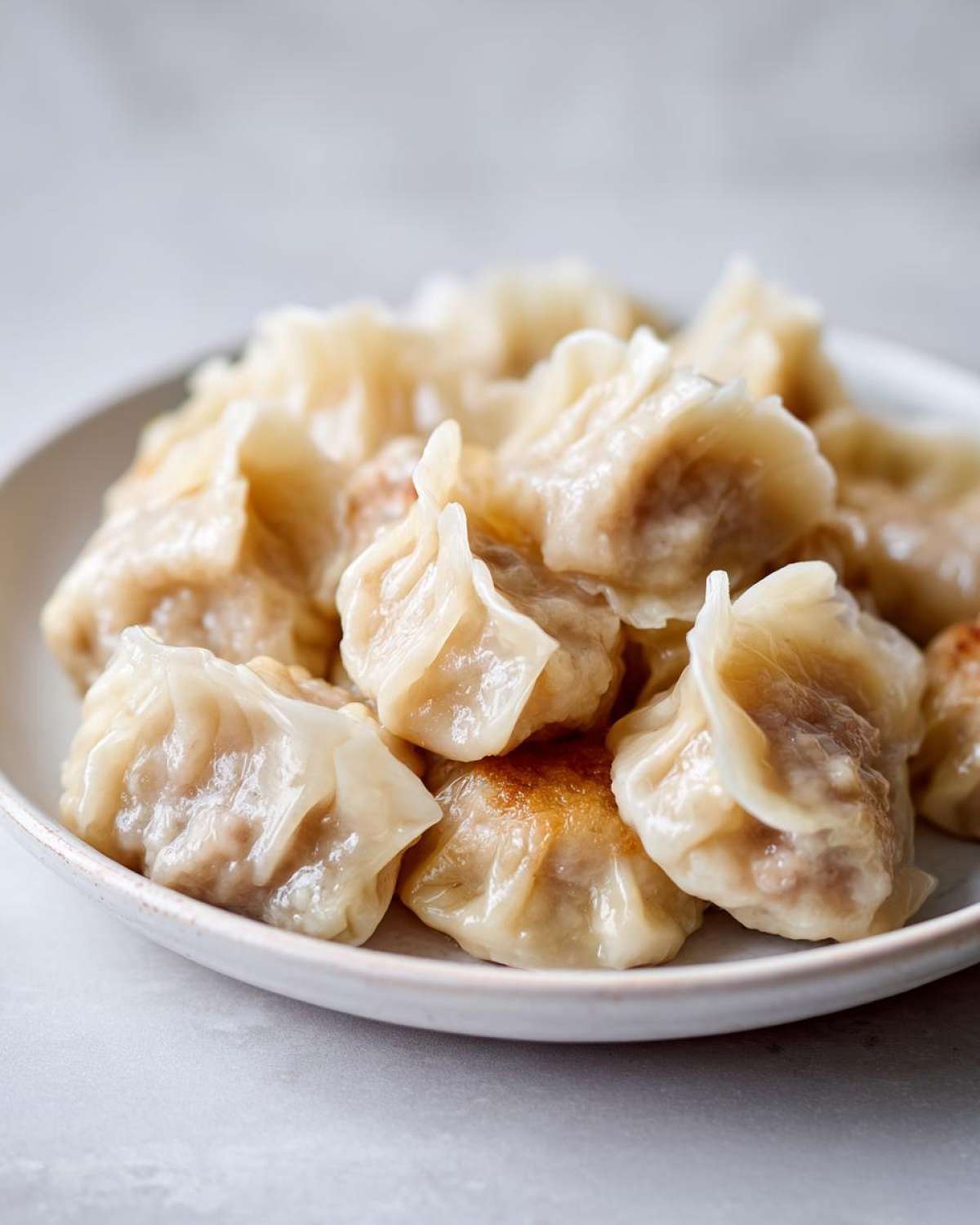
Trust me; these little pointers are what turn a good dumpling into an *amazing* one. Enjoy the process!
Storage and Make-Ahead Tips for Traditional Chinese Dumplings
Making these beauties always yields so many, right? That’s part of the joy! You need to know how to store them so you can enjoy fresh **Traditional Chinese Dumplings** later without all the work. For me, having a freezer stash is crucial, especially when holidays approach!
If you want to freeze them raw—and this is the best way to keep them fresh—you have to work quickly. Lay your pleated dumplings out on a baking sheet lined with parchment paper. Make sure they aren’t touching! A little dusting of flour on the sheet helps, too. Pop that entire sheet into the freezer until the dumplings are completely solid—this usually takes about an hour, depending on your freezer strength. Once they are little frozen pebbles, you can carefully transfer them into airtight freezer bags. If you’re worried about them collapsing, you can even add a touch of flour to the bag before shaking them up.
When you are ready to cook those frozen ones, don’t thaw them first! Just drop them straight into the boiling water, remembering that they will need a couple of extra minutes to cook through compared to fresh ones. This method keeps them tasting almost as good as the day you made them. What about leftovers? Well, cooked dumplings get a little sad when refrigerated because the moisture tightens the wrapper. If you have any cooked *Shui Jiao* left, I eat them cold the next day with extra sauce, or I reheat them by quickly pan-frying them to give the wrapper some texture back!
Serving Suggestions for Your Traditional Chinese Dumplings
We’ve done the work, we’ve pleated them beautifully, and now they are piping hot! The presentation matters, even for something as humble and comforting as a boiled dumpling. Honestly, for authentic **Traditional Chinese Dumplings**, the focus should really be on that dipping sauce we talked about earlier.
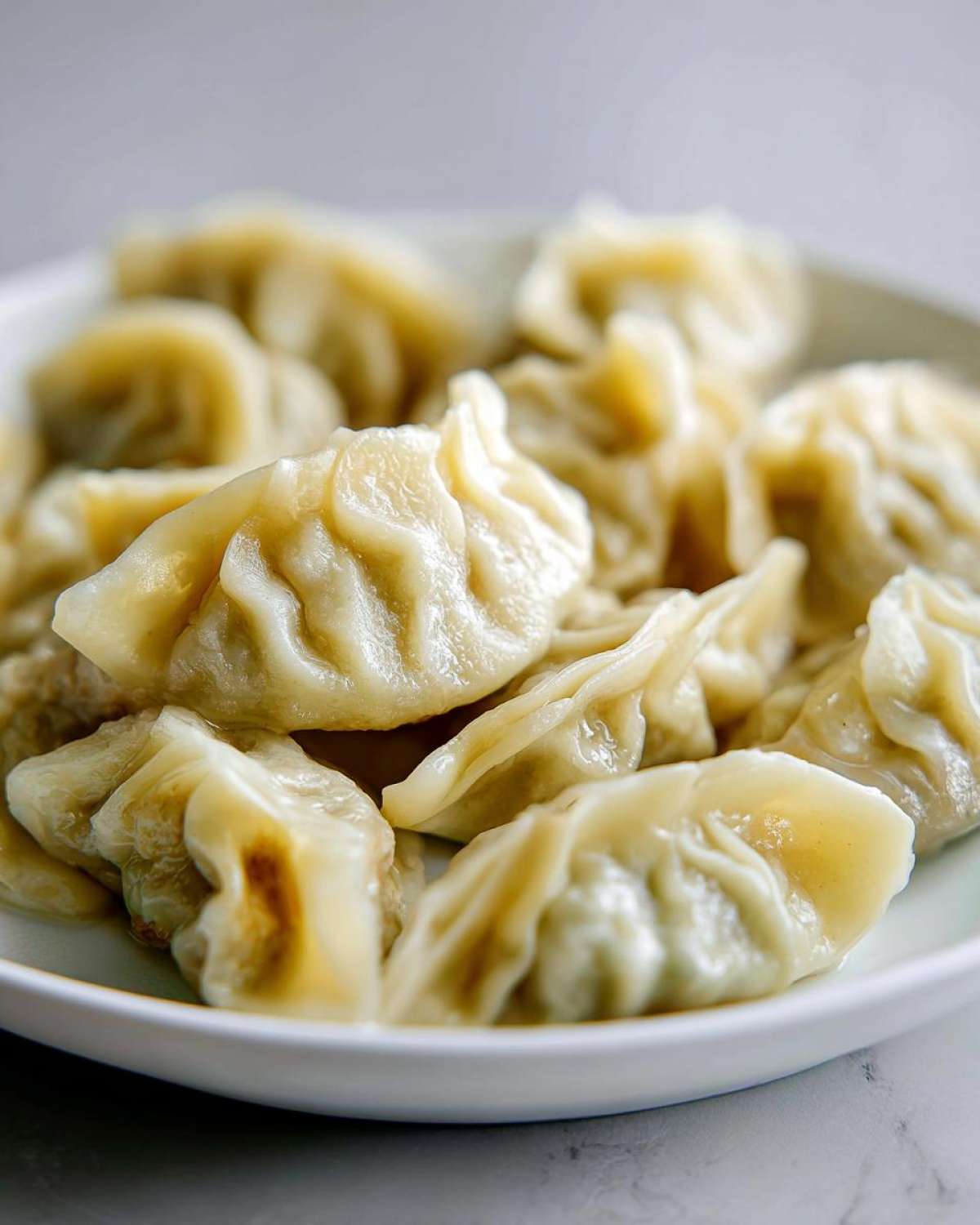
A simple trio of rice vinegar, high-quality soy sauce, and a whisper of sesame oil sets the stage perfectly. If you’re feeling bold, a teaspoon of chili crisp—that crunchy, savory oil—is non-negotiable in my book. It just adds such a wonderful textural contrast to the soft wrapper and the juicy filling inside. Keep the sides minimal; maybe a quick, lightly dressed cucumber salad or some blanched bok choy.
But I especially love serving these around the New Year. Did you know that making and sharing dumplings is a huge part of the **Chinese New Year Dumpling Tradition**? They are shaped like ancient Chinese money, you see, so eating them symbolizes bringing wealth and prosperity into the new year. Imagine making a massive batch with the whole family! It turns dinner into a true celebration of good fortune. Isn’t that wonderful? Food that carries such wonderful meaning!
Frequently Asked Questions About Traditional Chinese Dumplings
It’s natural to have a few little questions when you tackle something as special as **Traditional Chinese Dumplings** for the first time. I remember having so many questions the very first time I tried to fold them myself! These are the ones I hear most often from readers trying out these amazing **Homemade Jiaozi Instructions**.
Can I use store-bought wrappers for my Traditional Chinese Dumplings?
Oh, absolutely you can, and there’s no shame in it, especially if you’re short on time! Using store-bought wrappers definitely speeds things up a ton. However, if you are truly chasing that ultimate, authentic texture—that soft chewiness that only comes from freshly made dough—you really owe it to yourself to try making the wrappers from scratch just once. The difference is noticeable!
What is the key to preventing the dumpling filling from tasting bland?
Blandness is the enemy! The biggest factor for vibrant flavor in our **Best Chinese Dumpling Filling Ideas** is balancing the umami with the aromatics. Don’t just rely on salt. You need that fresh, sharp bite from the grated ginger and the nutty depth of the sesame oil. Mixing it vigorously in one direction also helps the seasonings really integrate into the meat, so every bite sings!
How can I make these into Classic Potsticker Recipe From Scratch?
This is my favorite way to eat leftovers, honestly! To turn these into a **Classic Potsticker Recipe From Scratch** (or *Guo Tie*), you use the same dumpling assembly. You just change the cooking method slightly. Fry the bottoms in a lightly oiled pan until they are beautifully crisp and golden brown. Then, pour in about half an inch of water, immediately cover the pan tightly, and let them steam for about five to seven minutes. That combination of crisp and tender always kills me!
If you’re looking for how to perfectly season pork for future recipes, my spicy pork steak marinade has some similar flavor bases we use here, too!
Nutritional Estimates for Homemade Jiaozi Instructions
Now, I know some of you lovely readers are watching your macros, and I totally respect that! When you make dumplings from scratch, you control every single ingredient, which is fantastic compared to those mystery store-bought versions. Because we are using lean pork and lots of vegetables, these are actually quite balanced! They are wonderfully filling without being too heavy, which is why they are perfect for a main course.
Here are the estimates for five of our delicious boiled dumplings, based on an 80/20 ground pork blend. Please remember, my dears, that these numbers are just a guideline—a helpful starting point! If you use leaner meat or skip the sesame oil entirely, your numbers will shift, of course. We are talking approximations here, but it gives you a good idea of how wholesome these treats are!
- Serving Size: 5 dumplings
- Calories: 250
- Sugar: 2g
- Sodium: 450mg
- Fat: 10g
- Saturated Fat: 3g
- Unsaturated Fat: 7g
- Trans Fat: 0g
- Carbohydrates: 28g
- Fiber: 1g
- Protein: 14g
- Cholesterol: 45mg
Share Your Homemade Traditional Chinese Dumplings Experience
Now that you’ve got the dough resting and your filling mixed with all that wonderful ginger and sesame oil, I truly hope you enjoyed making these **Traditional Chinese Dumplings**! For me, cooking is always about connection, and I want to hear all about *your* experience. Did you find **How to Fold Chinese Dumplings Perfectly** surprisingly easy, or did you end up with a few quirky shapes?
Seriously, don’t be shy! Please use the comments box below to let me know what you thought of the recipe. Did you use the *Shui Jiao* boiling method, or did you try the potsticker variation? I adore collecting your little tweaks and successes. If you made them for a celebration, tell me which ones!
If you snapped a picture of your gorgeous, juicy dumplings—especially if you mastered those beautiful pleats—I would be absolutely thrilled if you shared it on social media. Tag me so I can see your magnificent work! And while you are gathering more culinary inspiration, why not check out my recent post on the perfect fluffy vanilla cake?
Don’t forget, we share even more behind-the-scenes cooking moments and practical tips over on Pinterest! Come join our community there; just search for Gourmet Gusto. I can’t wait to see all the wonderful **Homemade Jiaozi Instructions** you bring to life!
Print
Authentic Homemade Jiaozi: Classic Pork and Napa Cabbage Boiled Dumplings
- Total Time: 60 min
- Yield: About 40 dumplings
- Diet: Low Fat
Description
Learn how to make traditional Chinese boiled dumplings (Shui Jiao) from scratch, including the perfect dough, a juicy pork and cabbage filling, and the classic folding technique.
Ingredients
- 3 cups all-purpose flour
- 1 cup warm water (plus more if needed)
- 1 pound ground pork (preferably 80/20 blend)
- 1 pound Napa cabbage, finely chopped
- 1/2 cup finely chopped fresh chives
- 2 tablespoons soy sauce
- 1 tablespoon sesame oil
- 1 tablespoon grated fresh ginger
- 1 teaspoon salt
- 1/2 teaspoon white pepper
Instructions
- Prepare the Dough: In a large bowl, combine the flour and warm water slowly. Mix until a shaggy dough forms. Knead for 8 to 10 minutes until smooth. Cover the dough with a damp cloth and let it rest for at least 30 minutes. This resting period is key for easy rolling.
- Prepare the Filling: Place the chopped Napa cabbage in a bowl and sprinkle with 1/2 teaspoon of salt. Let it sit for 15 minutes to draw out excess water. Squeeze the cabbage very dry using cheesecloth or your hands.
- Mix the Filling: In a separate bowl, combine the ground pork, squeezed cabbage, chives, soy sauce, sesame oil, ginger, remaining salt, and white pepper. Mix vigorously in one direction until the mixture becomes sticky and emulsified. This mixing technique helps create a juicy dumpling filling.
- Shape the Wrappers: Divide the rested dough into four equal pieces. Roll each piece into a long rope about 1 inch thick. Cut the rope into 1-inch pieces. Roll each piece into a thin, round wrapper, keeping the edges slightly thinner than the center.
- Assemble the Dumplings: Place about 1 teaspoon of filling in the center of a wrapper. Moisten the edges lightly with water. Fold the wrapper in half over the filling to create a half-moon shape. Create small pleats along one edge, pressing firmly to seal the dumpling closed. Practice mastering Chinese dumpling pleats for a traditional look.
- Cook the Dumplings: Bring a large pot of water to a rolling boil. Gently drop the dumplings into the boiling water, stirring immediately so they do not stick to the bottom. Once the water returns to a boil, add 1/2 cup of cold water. Repeat this process two more times. The dumplings are done when they float and look plump, usually 5 to 7 minutes after the final boil begins.
- Serve: Remove the boiled dumplings with a slotted spoon. Serve immediately with your favorite traditional dipping sauce for Jiaozi.
Notes
- For an authentic flavor, use high-quality soy sauce and fresh ginger.
- If you prefer pan-fried dumplings (potstickers), cook them in a lightly oiled skillet until the bottoms are golden brown, then add a small amount of water, cover, and steam until cooked through.
- Make extra dough scraps and roll them thin to practice your folding techniques before assembling the final batch.
- Prep Time: 45 min
- Cook Time: 15 min
- Category: Main Course
- Method: Boiling
- Cuisine: Chinese
Nutrition
- Serving Size: 5 dumplings
- Calories: 250
- Sugar: 2
- Sodium: 450
- Fat: 10
- Saturated Fat: 3
- Unsaturated Fat: 7
- Trans Fat: 0
- Carbohydrates: 28
- Fiber: 1
- Protein: 14
- Cholesterol: 45

Comments are closed.