
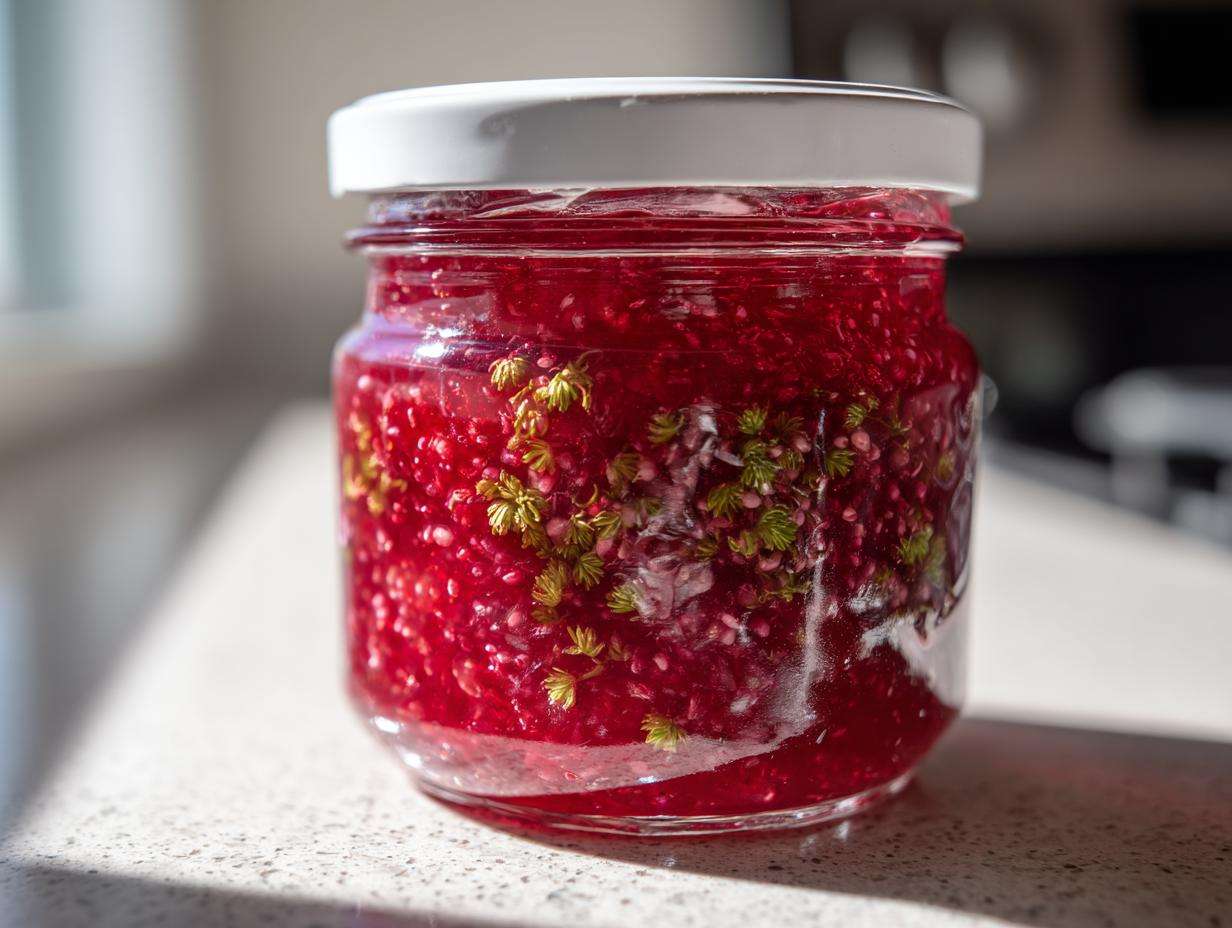
Oh, spring! That glorious time when the tartness of freshly cut rhubarb practically screams to be jarred up before it disappears! I know so many of you love the floral hint of elderflower, and combining those two is pure heaven. If you’ve been intimidated by making jam without that commercial pectin powder—don’t be! Trust me, making this Pectin-Free Rhubarb and Elderflower Jam is totally achievable. We’re going back to basics here, relying on the natural magic of sugar, acid, and high heat to get that gorgeous, thick set. I promise, the end result is so much brighter and cleaner tasting than anything store-bought!
Why This Rhubarb and Elderflower Jam (Pectin-Free) Recipe Works (E-E-A-T)
When you skip the pectin, you have to respect the science, right? That’s what makes this Pectin-Free Rhubarb and Elderflower Jam reliable. It isn’t magic; it’s just knowing how your ingredients talk to each other! We are totally relying on two very powerful players here to make sure you get that beautiful set without any funny thickening agents.
- The rhubarb itself has just enough natural pectin lurking in its strings to help us out, but it needs a little push.
- The sugar does way more than just sweeten; the high concentration is critical for binding the pectin molecules together into that jelly structure.
- That burst of lemon juice is non-negotiable—it brings the acidity needed for the chemical reaction to actually happen.
The Role of Acid and Sugar in Natural Set Jam No Pectin
Think of the sugar and lemon juice as the perfect dance partners for the rhubarb’s natural pectin. When you hit that hard, rolling boil, you are concentrating everything down. The acid lowers the pH, and the sugar grabs onto all those pectin strands, forcing them to link up tight. This interaction creates the strong gel we want, resulting in that lovely, clean set you get from traditional homemade preserves.
Gathering Ingredients for Your Rhubarb and Elderflower Jam (Pectin-Free)
Okay, let’s talk about the lineup before we get simmering. Since we aren’t using commercial pectin in this Pectin-Free Rhubarb and Elderflower Jam, the quality of what you bring to the party matters *so much*. We need just four main stars, plus that little bit of butter if we get foamy. I always source my rhubarb super fresh—it makes a difference!
You’re going to need one full kilo of rhubarb. Make sure it’s properly trimmed off—no woody ends—and chopped into nice, uniform pieces so it cooks evenly. And for the elderflower, wow, the perfume on this is amazing. You need four nice, big heads, but listen carefully to the prep part!
Ingredient Clarity and Preparation Notes
This part is where people trip up, so pay attention! For the rhubarb, chop it up; that’s easy. But for the elderflowers, we just want the delicate little yellow-white florets. Don’t scoop up the green stems! They can make your jam taste slightly bitter, and we want pure floral sweetness, right? Strip them right over the bowl.
Also, please use the full amount of sugar listed. I know it seems like a lot, but it’s acting as the preservative and the thickener here. And that lemon juice? It has to be freshly squeezed. A bottled juice just won’t have the right kick to help everything set properly!
Step-by-Step Instructions for Homemade Rhubarb Elderflower Jam Recipe
Now for the real action! We’re going to take these gorgeous ingredients and turn them into something sparkling. Remember, this whole process moves pretty quickly once you hit that boil, so make sure your jars are clean and ready to go! I always have my chilled saucer ready in the freezer for this part.
We start by getting the rhubarb cooperative. Toss the chopped rhubarb with that lemon juice in your biggest, heaviest preserving pot—you need a heavy bottom so it doesn’t scorch when we crank up the heat for this Homemade Rhubarb Elderflower Jam Recipe. Cook it down until it gets soft and gives up all its gorgeous, tart juices. It usually takes about 15 minutes.
Cooking the Rhubarb Base
Once the rhubarb is mushy, gently stir in all that sugar. This is a critical stage, so don’t rush it! Keep the heat low and keep stirring until you absolutely cannot feel any sugar granules sticking to the bottom of the pan. If you skip this step, you risk your jam crystallizing later, and we absolutely don’t want that gritty texture! It’s just like making any other natural set jam no pectin; dissolving the sugar is key.
Achieving the Rolling Boil and Setting Point for Rhubarb and Elderflower Jam
Once it’s completely clear, crank that heat up! We need a proper, roaring boil—the kind that doesn’t disappear even if you stir it like mad. If you see foam building up, that’s when you drop in that tiny teaspoon of butter; it’s my trick for keeping things looking pretty! Keep stirring often because you don’t want your delicious Rhubarb and Elderflower Jam sticking and burning to the bottom. You’ll be looking for that setting point soon!
Mastering the Setting Point Test for Your Rhubarb and Elderflower Jam
This is it—the moment of truth for our Rhubarb and Elderflower Jam! Since there’s no store-bought help, we have to be super vigilant testing for that gel stage. My grandmother always said if you stop boiling even one minute too soon, you get runny syrup, and nobody wants expensive, runny jam!
The secret weapon is the chilled saucer. Make sure you place a couple of small plates in the freezer before you even start cooking anything. When you think the jam is getting close, take the pot off the heat briefly. Drop a teaspoon of that boiling jam onto the cold plate and pop it straight back into the freezer for just 30 seconds.
When you pull it out, nudge it with your finger. If the surface wrinkles up beautifully, you’ve hit the perfect set! If it just runs, put it back on the heat and boil for another five minutes before testing again. Don’t be afraid to test it three or four times; it’s better to be too firm than too messy!
Infusing Flavor and Finishing the Rhubarb and Elderflower Jam
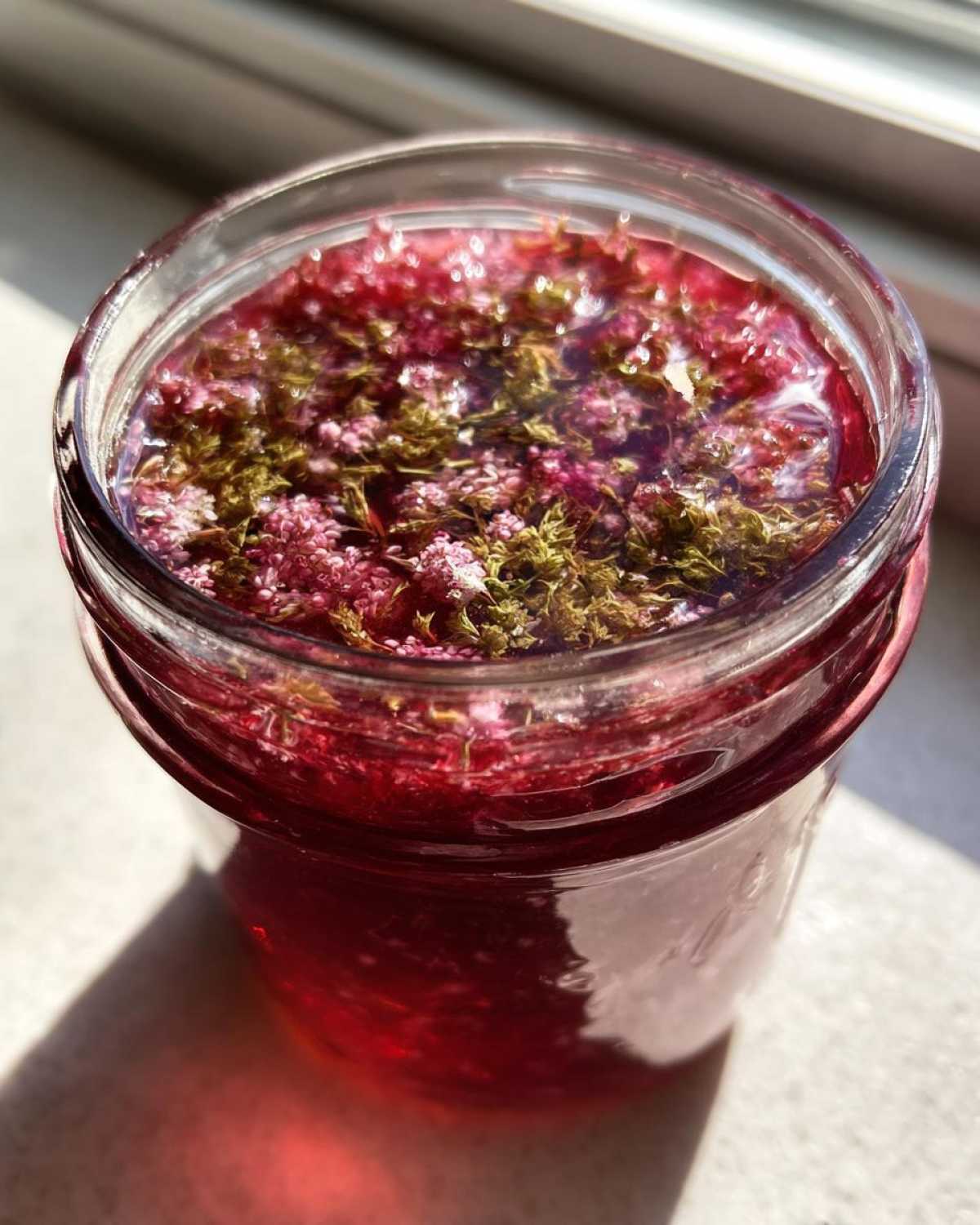
The tartness is dialed in, the sugar is perfect, but now we give this jam its signature perfume! As soon as that setting point is confirmed, get the pan right off the heat—we don’t want to cook those delicate elderflower flavors away. Just stir in those lovely, packed elderflower florets we prepared earlier. They only need a little time to mingle with the hot fruit mixture.
Let the jam sit like that, off the heat, for about five minutes. This steeping time is magical; it pulls all that glorious floral aroma into the spread. Then, pull out the florets with a slotted spoon. If you’re using this recipe for the first time, check out my notes on using fresh elderflower in cooking for more tasty ideas! Finally, your beautiful Rhubarb and Elderflower Jam is ready for the jars.
Jarring and Storing Your Homemade Rhubarb Elderflower Jam Recipe
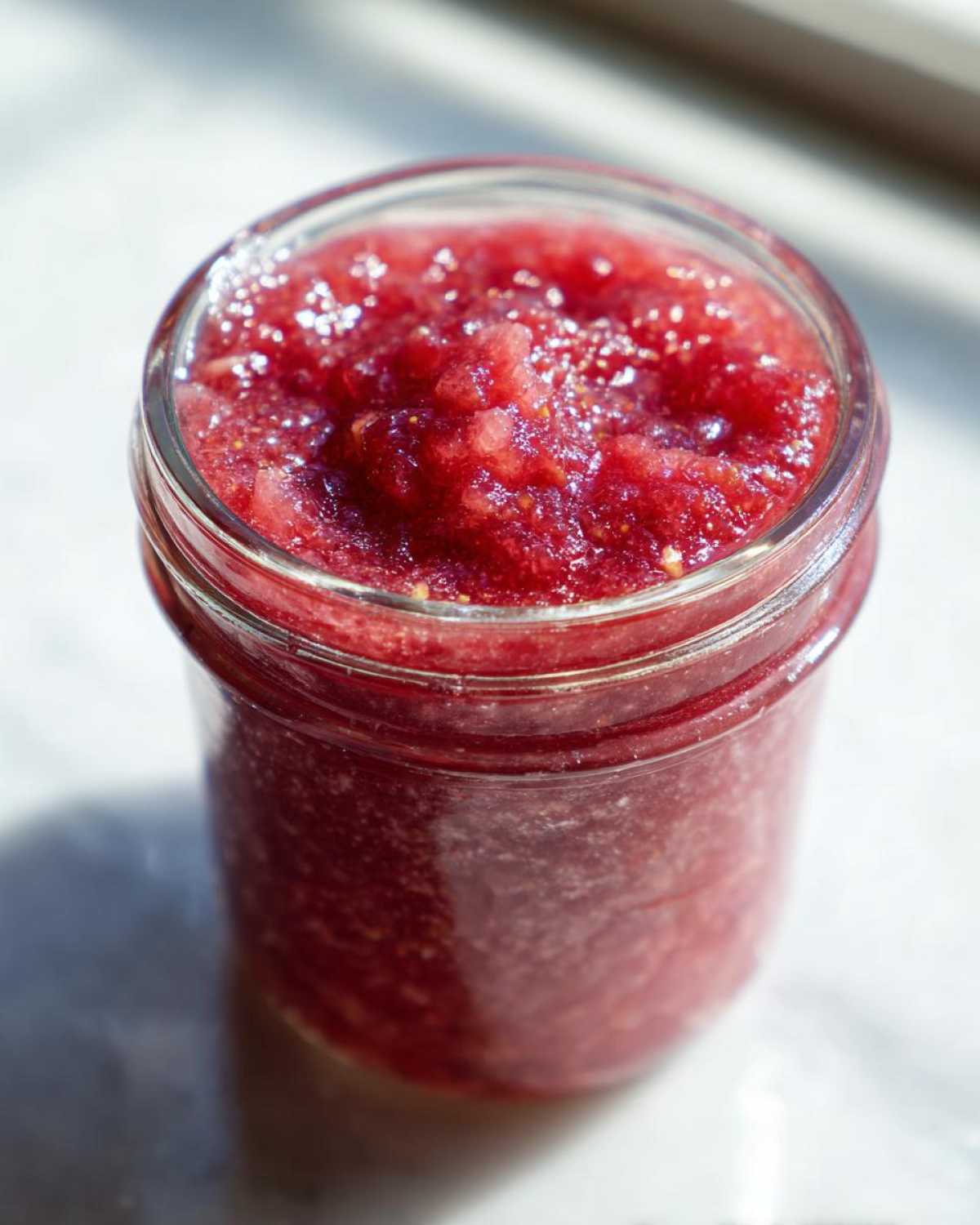
We’ve made it! The jam is perfectly set, and those floral notes are locked in. Now we need to put our beautiful Rhubarb and Elderflower Jam safely into jars. If you’re planning on eating this batch quickly—say, within a couple of weeks—you can just skim it into sterilized jars and pop them right into the fridge. Easy peasy!
But if you want to keep this taste of spring all year long, we need to do a quick water bath. It’s honestly not scary! Make sure your jars are sparkling clean and have been simmering for at least 10 minutes so they are hot when the jam goes in. Fill them almost to the top, leaving just that tiny quarter-inch of space we call headspace. Wipe those rims down until they squeak before sealing them up tight.
Sterilization and Water Bath Processing for Shelf Stability
Once the lids are on, place the jars into a pot of boiling water—make sure the water covers the lids by about an inch. Let them process hard right there for exactly 10 minutes. When you pull them out, you shouldn’t touch anything until they’ve cooled completely and you hear that satisfying *pop*! That sound means you’ve sealed them safely using these easy home canning for beginners steps. Stored right, these are good for a year on the shelf!
Tips for Success with Naturally Thick Jam Methods
Making a great Rhubarb and Elderflower Jam without pectin means paying attention to a few little details we’ve already covered, mostly around heat and stirring. If you find your jam is just a little too chunky for your liking, remember that note about blending? You can absolutely take a hand blender and give the cooked rhubarb a quick whiz *before* you add the sugar. It won’t change the pectin structure, but it smooths out those chunks if that’s your preference!
The biggest pitfall is crystallization, which usually happens if you let the sugar settle too long after it dissolves but before you hit the hard boil. Just keep that pot moving gently! If you follow the temperature guides and nail that wrinkly-saucer test, you’ll have a beautifully thick, naturally set spread that tastes like pure sunshine!
Serving Suggestions for Tart and Sweet Jam Ideas
Now that you have this incredible, naturally set jam, what do you do with it? Honestly, the tartness of the rhubarb paired with that delicate floral note makes it versatile! It’s utterly divine when folded into plain yogurt or spread thickly on warm, buttered toast first thing in the morning. My absolute favorite way, though, is using it in pastry!
It makes the most amazing filling for thumbprint cookies or layered between vanilla cake sponges instead of plain preserves. For more inspiration on using these wonderful rhubarb preserves for toast and baking, check out my dedicated post!
Frequently Asked Questions About Rhubarb and Elderflower Jam (Pectin-Free)
Can I reduce the sugar in this Rhubarb and Elderflower Jam?
Oh, I really advise against that when you’re making a pectin-free jam. The sugar isn’t just for sweetness; it’s absolutely vital for reaching the high concentration needed for the fruit’s natural pectin to set the jam correctly. If you cut back too much, you risk a runny batch and shorter shelf life.
How long will this Rhubarb and Elderflower Jam last once opened?
Once you break that seal, treat it like any other homemade item! Pop your jar of Rhubarb and Elderflower Jam right into the refrigerator. It should stay absolutely delicious for about three to four weeks if you keep the lid on tight and use a clean spoon every time you dip in.
Frequently Asked Questions About Rhubarb and Elderflower Jam (Pectin-Free)
I always get so many questions when people try making their first pectin-free batch! It’s such a different process than just dumping in a powder. Here are the things I hear most often about this wonderful springtime spread. Don’t worry if you mess up the first time—we all do when mastering new Rhubarb and Elderflower Jam (Pectin-Free)!
Can I reduce the sugar in this Rhubarb and Elderflower Jam?
I really, truly wouldn’t risk it, hon. When we don’t use commercial pectin, the sugar isn’t just for taste; it’s the structural glue! Reducing the sugar too much means the set point changes completely, and you’ll likely end up with syrup instead of jam. Plus, sugar is what keeps it safe on the shelf!
How long will this Rhubarb and Elderflower Jam last once opened?
If you’ve canned it properly via the water bath method, an unopened jar of Rhubarb and Elderflower Jam will happily sit in your pantry for about a year. Once you crack that seal open, though, it really needs to be kept cold. It’ll stay fresh and delicious in the fridge for up to three weeks if you’re careful dipping your spoon in!
Print
Pectin-Free Rhubarb and Elderflower Jam
- Total Time: 65 min
- Yield: Approximately 4 standard jars (8 oz)
- Diet: Vegetarian
Description
Make a naturally setting jam using fresh rhubarb and fragrant elderflower. This recipe relies on proper sugar and acid ratios for a thick set without commercial pectin.
Ingredients
- 1000 g rhubarb, trimmed and chopped
- 800 g granulated sugar
- Juice of 1 large lemon
- 4 large elderflower heads, stripped of florets (about 1 cup packed)
- 1 teaspoon unsalted butter (optional, to reduce foaming)
Instructions
- Combine the chopped rhubarb and lemon juice in a large, heavy-bottomed preserving pan.
- Cook over medium heat, stirring occasionally, until the rhubarb softens and releases its juices, about 10 to 15 minutes.
- Add the granulated sugar to the pan. Stir constantly over low heat until the sugar completely dissolves. Do not let the mixture boil before the sugar dissolves.
- Increase the heat to bring the mixture to a rolling boil. A rolling boil is one that cannot be stirred down.
- Add the butter now, if using, to help break up surface foam. Skim off any foam that rises to the surface.
- Boil hard, stirring frequently to prevent sticking, until the setting point is reached. This usually takes 15 to 30 minutes, depending on the moisture content of the rhubarb.
- Test for the setting point using a chilled saucer (see Notes).
- When the setting point is reached, remove the pan from the heat. Stir in the elderflower florets. Allow the mixture to stand for 5 minutes to infuse the flavor.
- Remove the elderflower florets using a slotted spoon or fine-mesh sieve.
- Ladle the hot jam into sterilized jars, leaving about 1/4 inch headspace. Wipe the rims clean.
- Seal the jars immediately with sterilized lids and process in a boiling water bath for 10 minutes for long-term storage, or store in the refrigerator if making a small batch for immediate use.
Notes
- To test for the setting point: Place a small plate in the freezer before starting. Drop a teaspoon of boiling jam onto the cold plate. Return it to the freezer for 30 seconds. Push the jam with your finger; if the surface wrinkles, the jam has reached the setting point.
- For best flavor, use elderflowers gathered on a dry, sunny day. Ensure you only use the florets, as the stems can impart a bitter taste.
- If you prefer a smoother jam, you can blend the cooked rhubarb slightly before adding the sugar, but this recipe works well with chunks.
- Prep Time: 20 min
- Cook Time: 45 min
- Category: Dessert Spread
- Method: Stovetop Boiling
- Cuisine: British/European
Nutrition
- Serving Size: 2 tablespoons
- Calories: 85
- Sugar: 21 g
- Sodium: 1 mg
- Fat: 0 g
- Saturated Fat: 0 g
- Unsaturated Fat: 0 g
- Trans Fat: 0 g
- Carbohydrates: 21 g
- Fiber: 0.5 g
- Protein: 0.2 g
- Cholesterol: 0 mg



Comments are closed.