
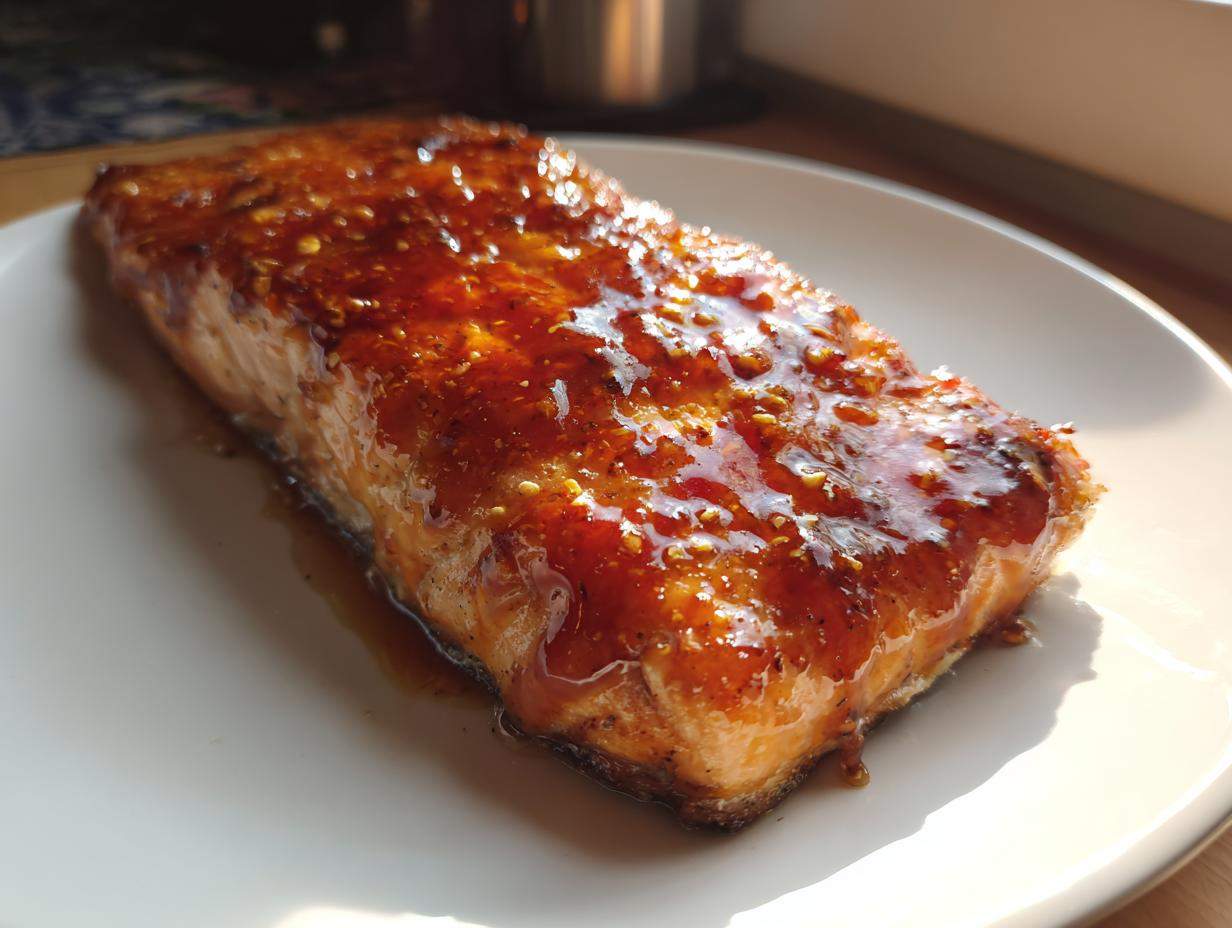
Ugh, weeknights, right? Between practice schedules and just trying to keep the lights on, finding a dinner that feels special but takes zero brainpower is like finding a unicorn. I used to dread making fish because I swear every time I tried, it either came out dry as sawdust or fell apart into a thousand sad pieces. Seriously, it was frustrating!
But no more! I finally cracked the code on unbelievably flavorful, restaurant-quality baked salmon, and guess what? It takes less than 25 minutes from start to table. This Honey Garlic Butter recipe coats the fillets perfectly, making them sweet, savory, and just unbelievably tender. Trust me when I say that once you nail this simple baking technique, you’ll be confident serving salmon to anyone, anytime. It’s my absolute secret weapon for easy, impressive dinners now.
Why This Honey Garlic Butter Baked Salmon is Your New Favorite Salmon Recipe
Why mess around with complicated cooking methods when you can get something this good this fast? This recipe just screams success, and it nails all those things people worry about when cooking fish. It’s exactly why this has become our go-to for Quick Dinner Ideas. You can see my detailed guide on other honey garlic glazed salmon variations if you want even more inspiration!
- It delivers a show-stopping, sweet-and-savory glaze that tastes like you spent ages on it.
- You end up with seriously Flaky Salmon Fillets every single time—no dry edges here!
- It’s truly minimal cleanup. I just line the pan and go!
Speed and Simplicity: The Perfect Salmon Weeknight Dinner
Honestly, my favorite feature is the clock. We are talking only 10 minutes of prep time, which usually involves chopping that fresh garlic while the oven warms up. Then, it bakes in about 15 minutes! This makes it the ultimate Salmon Weeknight Dinner solution when you’re starving but want something way better than frozen chicken nuggets.
Achieving Moist and Juicy Salmon with Crispy Edges
That glaze isn’t just for looks, trust me. That thick combination of honey and butter acts like a little oven shield, locking all the natural goodness inside. This technique results in Moist and Juicy Salmon that flakes apart perfectly without feeling mushy. If you follow the steps exactly, you even get those slightly caramelized, crisp edges that make the flavor pop!
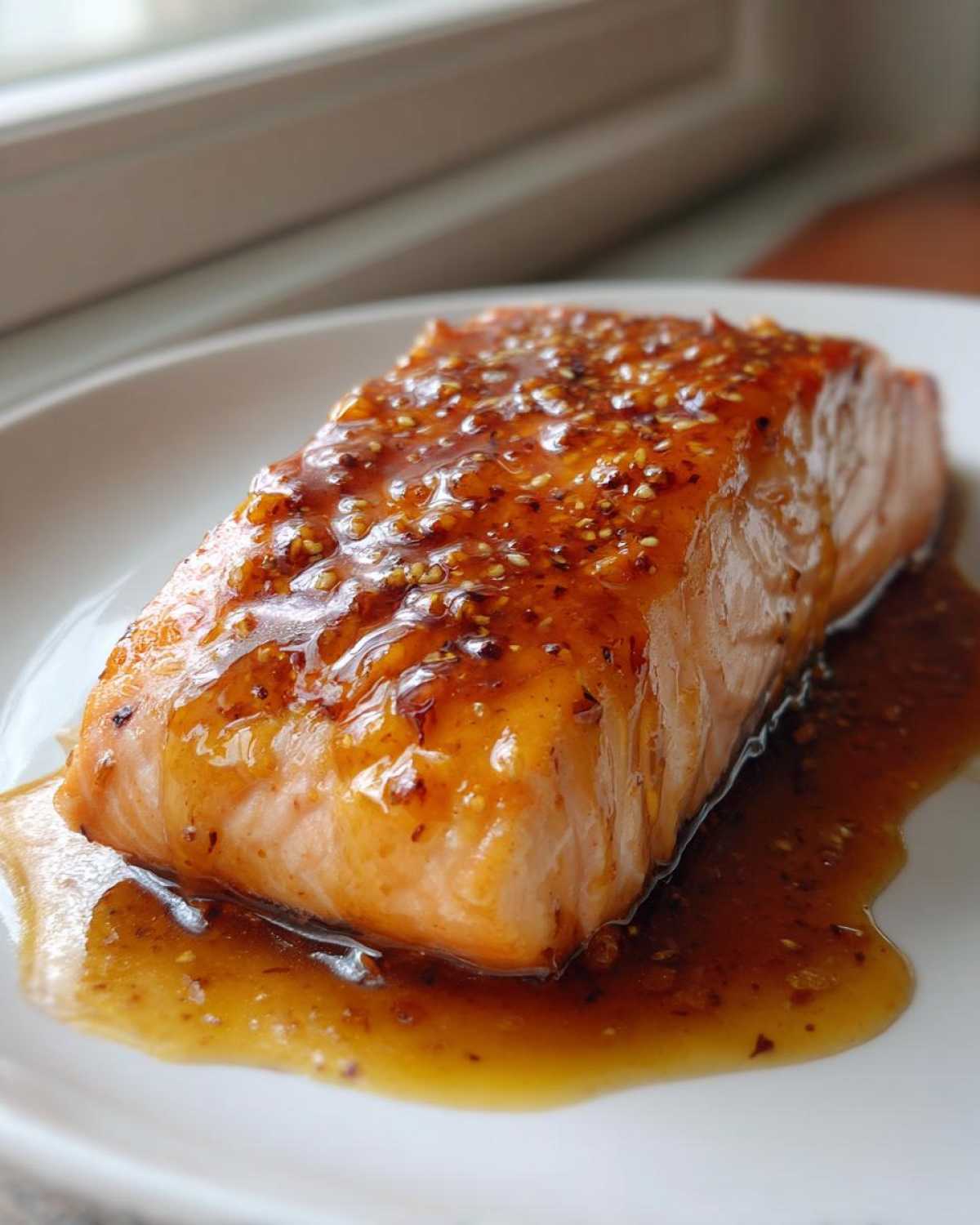
Essential Ingredients for Restaurant-Style Baked Salmon
Okay, let’s get down to the good stuff! For this recipe to taste like straight-up restaurant quality, using the right ingredients—and prepping them right—is half the battle. We need four beautiful salmon fillets to start. Make sure you know if yours are skin-on or skin-off; I prefer skin-on when I’m trying to get that super crispy skin, but this glaze works no matter what!
The glaze itself is simple, but powerful. You’ll need honey, butter (use the real stuff, it matters!), minced garlic, a splash of soy sauce, Dijon mustard for that little kick, and some dried parsley. It comes together so fast, which is why I love that I can make honey garlic chicken right alongside it for the picky eaters!
Ingredient Notes and Substitutions for Your Salmon
A few little tweaks make a huge difference here, especially in the glaze. If you need this to be gluten-free, just swap out the standard soy sauce for tamari—it has a deeper flavor profile anyway, which is great for a rich salmon glaze. Don’t skimp on the fresh garlic; jarred minced garlic just doesn’t have the same bright pop.
And about the parsley: dried is fine because the butter melts it down, but if you have fresh looking lonely in your fridge, chop up about a tablespoon of fresh flat-leaf parsley and toss it in instead. More importantly, take your butter out so it’s soft, but don’t let it get oily. That perfect, creamy texture is what makes this butter base so luscious on the salmon.
Step-by-Step Instructions for the Best Ever Salmon Recipe
This is where the magic happens! Don’t panic about overcooking the salmon; we keep it fast and simple. First things first, you absolutely have to preheat your oven to 400 degrees Fahrenheit. And listen, I learned this the hard way: before anything else touches that pan, line it with aluminum foil or parchment paper. Cleanup is nonexistent that way, which is key for a quick dinner.
Next, grab those fillets and pat them aggressively dry with paper towels! This step is non-negotiable if you want any kind of nice texture, even with this great glaze. Drizzle that olive oil over them, sprinkle with your salt and pepper, and get them arranged nicely on the prepared baking sheet.
Preparing the Honey Garlic Butter Glaze for Perfect Salmon
Time to whip up the sauce! Grab a small bowl—this is where your Honey Glazed Salmon flavor is born. Whisk together the honey, melted butter, minced garlic, soy sauce, and that little bit of Dijon mustard. You just want it combined until it looks smooth and deeply colored. Don’t go crazy stirring it; you only need it mixed well enough to coat the fish evenly. Once it’s ready, just spoon that sweet, sticky goodness right over the top of each fillet.
Baking Tips for Flaky Salmon Fillets
Into the hot oven they go for about 12 to 15 minutes. Seriously, watch that time! We are looking for that perfect moment when the fish flakes effortlessly with a fork. If you want that restaurant-level char, which addresses the Crispy Skin Salmon goal, carefully switch your oven to the broiler for the last minute or two. But, and this is huge, stand right there and watch it like a hawk! It burns fast once it starts browning.
If you’re looking for a fantastic side dish that cooks up just as fast as this fish, you have to try my recipe for garlic butter rice; it pairs beautifully with this sweet glaze!
Tips for Achieving Texas Roadhouse Salmon Copycat Perfection
Everybody wants that dish that tastes like it came straight from a fancy steakhouse, and I totally get it. That Texas Roadhouse style of salmon is famous for that incredibly rich, almost sweet caramelization on top, right? Well, the secret isn’t some complicated restaurant trick; it’s actually about temperature control and giving that glaze a final kiss of heat.
First, the absolute best insurance policy you can have for perfect fish—any fish, really—is a meat thermometer. You are aiming for 145 degrees Fahrenheit internally, but honestly, I pull mine out right around 140°F because carryover cooking keeps it going a tiny bit after it leaves the oven, ensuring it stays moist and juicy.
To get that signature caramelized finish that screams ‘copycat,’ your broiler is your best friend, but you have to use it wisely. Make sure your whole baking sheet is close enough to the heating element for caramelization, but far enough away that it won’t burn in 30 seconds! Watch it nonstop.
Also, make sure your butter for the glaze is fully melted and mixed well with the honey before it goes near the fish. If the butter and honey aren’t fully amalgamated, you won’t get that even, glossy coating that sets up perfectly when baked. A little bit of extra Dijon in that glaze definitely helps deepen the savory notes, just like those amazing chain restaurants do.
If you’re trying to get away from baking entirely, you can get a fantastic, crusty result using an air fryer, which mimics that high-heat caramelization really well. I actually use a similar technique when I make my air fryer chimichangas—high heat, fast cook!
Variations: Simple Salmon Marinade and Flavor Twists
I love this honey garlic butter glaze, truly I do, but sometimes you need a change of scenery, right? It’s not fun eating the same thing every time, even if it’s delicious salmon! I’ve found that the base of this recipe—the technique of getting that lovely, flaky texture in 15 minutes—works perfectly with completely different flavor profiles.
If you’re looking for something brighter and tangier because maybe the honey glaze feels too heavy for a summer evening, try pivoting to a classic Lemon Herb Salmon. It’s my go-to when I want something unbelievably fresh. Just ditch the honey and butter for this version!
- Instead of the glaze, whip up about 3 tablespoons of olive oil with the zest and juice of one fresh lemon.
- I add about 2 teaspoons of mixed dried herbs—dill, thyme, and a little oregano works wonders here.
- Season with salt and pepper as usual, then bake exactly as directed. You get the same perfect bake time, but the flavor is totally different—cleaner and lighter!
But maybe you want to keep the sweetness but need more of a kick? That’s easy to do right in the glaze we already made! If you like things spicy, just stir in about a quarter teaspoon of red pepper flakes into the honey butter mixture before you spoon it over the fish. It cuts through the richness of the butter beautifully.
For those of you who like making bread with me—and I know you do, I see those wonderful pictures of no-knead cranberry walnut loaves coming through!—the spicy glaze tastes amazing drizzled over salty, savory bread right before serving.
You can also use this method to create a Simple Salmon Marinade if you have slightly more time. If I’m planning ahead (which is rare, let’s be honest), I’ll mix a slightly thinner version of the glaze—maybe add an extra tablespoon of water or lemon juice—and let the fillets soak for about 30 minutes in the fridge before baking. It really lets those seasonings penetrate the fish!
Serving Suggestions for Your Baked Salmon Dinner
So, you’ve pulled this gorgeous, glistening piece of honey garlic butter salmon out of the oven. Amazing! But what are you going to put next to it on the plate? You don’t want anything too heavy that fights with that amazing glaze, and since this whole meal is a time-saver, we need fast sides too.
My rule of thumb is to balance the sweetness of the roast with something bright and maybe a little bit sharp on the palate. A good side dish really makes the whole salmon special!
For a healthy, vibrant pairing, you absolutely cannot go wrong with roasted green vegetables. They roast up right alongside your salmon in that 400-degree oven, making them perfect companions. Asparagus is my first choice—just toss it with a little olive oil, salt, and pepper. It gets nice and tender-crisp while your fish is finishing up its bake.
If you want something a little more substantial, I highly recommend trying my recipe for Garlic Parmesan Crispy Roasted Broccoli. The savory, salty notes of the cheese and garlic are the absolute perfect counterpoint to that sweet honey glaze. Plus, you’ve already got the oven on, so why not?
If you need a starch, simple steamed basmati rice or even some fluffy quinoa works well to soak up any extra sauce left on the plate. Don’t spend time making anything complicated! When the fish is this flavorful, the sides should just be reliable workhorses that let the main event shine.
Storage and Reheating Instructions for Leftover Salmon
Don’t you hate it when perfectly cooked salmon turns iffy the next day? We want to keep that amazing flaky texture we worked so hard for! If you happen to have any leftover portions of this honey garlic glazed salmon—which, if your family is anything like mine, is rare because it gets devoured so fast—proper storage is key to freshness.
The absolute main thing is getting it into an airtight container ASAP after it cools down a bit. I use those glass containers with snap lids; they seal tight and don’t hold onto smells the way plastic sometimes does. Make sure you chill that container in the fridge within two hours of taking it out of the oven. This keeps the fish safe and sound!
Now, let’s talk reheating, because this is where most people ruin their beautifully baked fish. My biggest piece of advice? Honestly, try to avoid the microwave if you possibly can. That blast of microwave energy turns good fish into tough fish so quickly. It makes the delicate proteins seize up, and suddenly your moist salmon is chewy.
If you absolutely must use the microwave—maybe you’re in a huge rush at work—use very low power in short bursts, like 15 seconds at a time, covering the fillet with a damp paper towel. The towel adds needed moisture back in.
But here’s my preferred rescue method if the texture suffers a little: enjoy the cold leftovers! Seriously. This salmon is fantastic chilled and flaked over a big green salad the next day, maybe with some extra lemon juice or a drizzle of vinaigrette. The flavors actually deepen overnight, and you skip the reheating disaster entirely. It’s honestly my favorite way to use up any remaining bits of rich, sweet salmon.
Frequently Asked Questions About Cooking Salmon
I get so many questions about making fish because people are terrified of overcooking it! It seems like everyone has one horror story about dry fish lingering in their memory. Here are some things I hear all the time about getting this salmon just right, especially when swimming around in that delicious honey garlic glaze.
If you want to see how I tackle a completely different kind of rich meat, check out my tips for making easy prime rib. It needs a little more attention than this weeknight fish, but the reward is huge!
How do I know my salmon is perfectly done?
This is probably the number one question! For this recipe, you’re aiming for the USDA-recommended 145 degrees Fahrenheit internally, but I usually pull mine out slightly before that—around 140°F—because the oven heat keeps working for a few minutes after you take it out. The best visual cue is that the fish should flake easily when gently prodded with a fork, and it shouldn’t look opaque all the way through; a tiny bit of translucence in the very center is fine because it will finish cooking on the plate. That way you guarantee moist and juicy salmon!
Can I use frozen salmon fillets?
Oh, yes, you totally can! Frozen fish is a lifesaver for those nights when plans go sideways. You must thaw it properly first, though. Don’t just toss a frozen slab into the glaze! The best way is to place the fillets in a sealed bag and submerge that bag in cold water in the sink. Change the water every 30 minutes or so. Once thawed, pat them completely dry before seasoning and glazing, just like fresh fillets. This ensures the glaze sticks properly and doesn’t just slide off into a watery mess!
Can I cook this salmon recipe in an air fryer?
Absolutely! The air fryer is fantastic for getting that wonderfully crisp outside while still keeping the inside tender. Follow the recipe exactly up to the point of glazing the fish. Then, instead of the oven, place the glazed fillets in your air fryer basket. Cook them at 380 degrees Fahrenheit for about 10 to 12 minutes. It’s faster, and you might even get crispier edges than baking, which is a huge win if you’re a fan of that crispy skin salmon!
Is this considered a Healthy Fish Dinner?
I definitely consider this a Healthy Fish Dinner; it’s packed with protein and those crazy good omega-3 fatty acids that everyone talks about! We are using a relatively small amount of butter for the glaze, relying mostly on honey and lean fish protein. While the sugar content from the honey is present, the ratio of protein to fat is excellent. It’s a lean, flavorful, and incredibly satisfying way to eat your required servings of fish for the week.
Estimated Nutritional Information for Honey Garlic Salmon
Now, I have to give you the standard disclaimer here: I’m a cook, not a nutritionist, so these numbers are just an honest estimate based on the ingredients I listed out for the four servings. This is what I came up with based on the rough calculations—it’s a fantastic meal, but remember that side dishes add up!
This information assumes you are serving one 6-ounce fillet as per the recipe breakdown, without any extra sauces or sides you might add on your plate. But honestly, for a fish dinner this flavorful and quick, the macros look pretty great!
- Calories: Roughly 380 per serving. That’s fantastic for a filling dinner!
- Protein: We’re clocking in around 32 grams of pure fish protein, which keeps you full.
- Fat: About 20 grams total, with the good unsaturated fats making up most of that.
- Carbohydrates: Around 18 grams, mostly coming from the natural sugars in the honey we use for that beautiful glaze.
You can see the details are all there, but the takeaway is simple: you get a massive amount of protein and healthy fats for under 400 calories. It’s a perfect, easy recipe!
Print
25-Minute Honey Garlic Butter Baked Salmon
- Total Time: 25 min
- Yield: 4 servings
- Diet: Low Fat
Description
Make restaurant-quality, flaky salmon with a sweet and savory honey garlic butter glaze using this simple baked recipe.
Ingredients
- 4 (6 ounce) salmon fillets, skin on or off
- 2 tablespoons olive oil
- 1/2 teaspoon salt
- 1/4 teaspoon black pepper
- 1/4 cup honey
- 3 tablespoons unsalted butter, melted
- 3 cloves garlic, minced
- 1 tablespoon soy sauce (or tamari for gluten-free)
- 1 teaspoon Dijon mustard
- 1 teaspoon dried parsley
Instructions
- Preheat your oven to 400 degrees Fahrenheit (200 degrees Celsius). Line a baking sheet with parchment paper or aluminum foil.
- Pat the salmon fillets dry with paper towels. Place them on the prepared baking sheet.
- Drizzle the salmon evenly with olive oil. Season with salt and pepper.
- In a small bowl, whisk together the honey, melted butter, minced garlic, soy sauce, Dijon mustard, and dried parsley until well combined. This is your glaze.
- Spoon the honey garlic butter glaze evenly over the top of each salmon fillet.
- Bake for 12 to 15 minutes, or until the salmon flakes easily with a fork and reaches an internal temperature of 145 degrees Fahrenheit.
- For crispier edges, you can briefly switch the oven to broil for the last 1-2 minutes, watching carefully to prevent burning.
- Serve immediately.
Notes
- For extra crispy skin, place the salmon skin-side down on a wire rack set over the baking sheet before glazing and baking.
- If you prefer a tangier flavor, add 1 teaspoon of fresh lemon juice to the glaze mixture.
- This recipe works well for air frying; cook at 380 degrees Fahrenheit for 10-12 minutes.
- Prep Time: 10 min
- Cook Time: 15 min
- Category: Dinner
- Method: Baking
- Cuisine: American
Nutrition
- Serving Size: 1 fillet
- Calories: 380
- Sugar: 15
- Sodium: 350
- Fat: 20
- Saturated Fat: 6
- Unsaturated Fat: 14
- Trans Fat: 0
- Carbohydrates: 18
- Fiber: 0
- Protein: 32
- Cholesterol: 95



Comments are closed.