
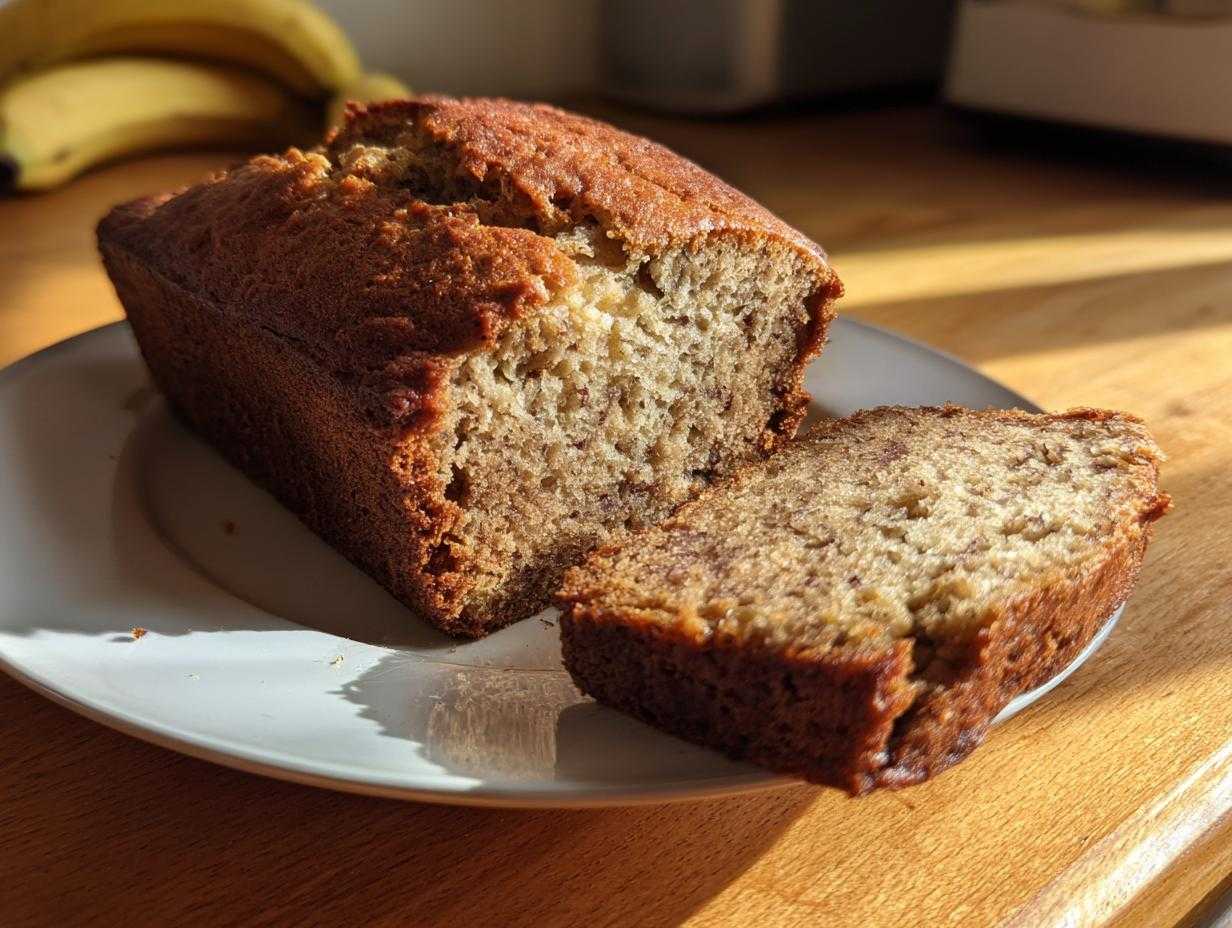
I swear, finding a truly satisfying baked good that doesn’t wreck your blood sugar goals used to feel impossible, right? Everything either tasted like cardboard or was loaded with sneaky sweeteners. But I cracked the code! When you’re looking for that perfect slice, this Ultimate Moist Sugar-Free Banana Bread is the answer. We skip the refined stuff entirely, letting those super-spotted, nearly black bananas do all the heavy lifting for sweetness and moisture. Believe me, I spent weeks testing the ratios to make sure this sugar free banana bread tasted just as comforting and tender as the old, full-sugar versions. It’s truly guilt-free baking perfection!
Why This Sugar Free Banana Bread is Your New Go-To Loaf
Honestly, this recipe stops every craving dead in its tracks, and you can have it for breakfast without the worry!
- It offers you that satisfyingly moist banana bread recipe texture we all chase.
- It’s a fantastic low sugar dessert option that feels totally indulgent.
- This makes for a truly lovely wholesome breakfast loaf that pleases everyone.
Achieving Ultimate Moist Banana Bread Texture
The secret weapon here is twofold: we lean heavily on bananas that look almost inedible—the blacker, the better! Plus, using a combination of melted butter or coconut oil keeps everything tender. When you mix it right, you get a tender banana bread that stays fresh for days. Want more tips on keeping loaves moist in general? Check out my guide here: baking supremely moist banana bread.
Tips for Making Easy Banana Bread
You don’t need fancy mixers for this project. It’s an incredibly easy banana bread to pull together; we just stir the wet and dry ingredients without fuss. That’s part of what makes this sugar free banana bread brilliant when you need something quick but healthy. Fewer steps mean less chance for error, and nobody wants finicky baking!
Ingredients for the Best Sugar Free Banana Bread
Okay, let’s talk about what goes into this loaf. Because we aren’t using refined sugar, every single ingredient counts here, especially those bananas! You need the smashable ones—the ones that look a little sad on the counter. Serious brown spots mean seriously sweet bread.
Here’s what you’ll collect. Remember, if you’re hoping to make this a low carb banana bread, we have an easy swap for the flour!
- 3 very ripe large bananas, mashed until they’re basically soup.
- 2 large eggs—make sure these aren’t ice cold!
- 1/4 cup melted unsalted butter or coconut oil. The oil can give it a lovely little flavor twist.
- 1 teaspoon vanilla extract.
- 1 1/2 cups all-purpose flour OR almond flour if you’re going low carb. If you need the almond flour guide, check out my tips here on baking with almond flour.
- 1 teaspoon baking soda.
- 1/2 teaspoon ground cinnamon—don’t skip the spice!
- 1/4 teaspoon salt.
- 1/4 cup unsweetened applesauce—this is my secret insurance policy for moisture!
- 1/4 cup chopped walnuts or pecans (totally optional for crunch).
Step-by-Step Instructions for Moist Banana Bread Recipe
Getting this loaf into the oven is honestly so quick! We’re talking about a recipe that moves fast once you have those mashed bananas ready. Remember, precision matters here, not just because we want that perfect texture, but because we’re relying on natural flavors instead of sugar to carry the taste.
- First things first: grab your loaf pan (a standard 9×5 inch works great) and get that oven warming up to 350 degrees Fahrenheit (about 175 Celsius). Give the pan a good grease and flouring—you don’t want this beautiful loaf sticking!
- In your biggest bowl, take those ripe bananas and mash them until they’re mostly smooth. A few little lumps are totally fine, that just equals flavor later on.
- Now whisk in the eggs, your melted butter or oil, and that vanilla extract right into the bananas. Just mix until it looks friendly and combined, nothing fancy required.
- Over in a separate, medium bowl, whisk your dry stuff: the flour (all-purpose or almond—your choice!), baking soda, cinnamon, and salt. If you’re adding that applesauce for extra insurance, toss it in this dry bowl for now.
- Time to bring them together! Gently add the dry mix into the wet banana mix. You only want to mix until you stop seeing big white streaks of flour. Stop right there! We are making sugar free banana bread, not rubber bread.
- If you decided you needed some crunch, fold in those nuts now—just a couple of gentle turns with your spatula.
- Pour that gorgeous batter into your prepared pan. Smooth the top a little if you like, but don’t fuss over it too much.
- Bake this lovely loaf for about 50 to 60 minutes. How do you know for sure? Slide a toothpick into the center. If it comes out clean, it’s done! If you want to see a few other ways to test doneness, I have some great tips here: testing any banana bread recipe.
- This is important: let it sit in the pan for a good 10 minutes before you try to wrestle it out. Then, transfer it to a wire rack to cool down completely. Patience is everything at the end!

Mixing the Wet and Dry Components for Tender Banana Bread
When combining the components, remember my golden rule: never, ever overmix! When the dry mixture hits the wet, you are only looking to hydrate the flour. Stop stirring the instant you can’t see dry powder anymore. Overmixing develops gluten, and gluten makes this loaf tough instead of the soft, tender banana bread we are dreaming of. Less mixing equals a better hug in cake form!
Ingredient Notes and Substitutions for Sugar Free Banana Bread
Since we cut out refined sugar, we really need to respect what we are putting in the batter. If you look down in the notes section, you’ll see I added a few little cheats to keep this sugar free banana bread absolutely perfect, even when swapping things out. It’s all about maintaining that incredible moisture level!
The biggest question I always get is about the flour. If you are trying this as a low sugar dessert option and swapping to almond flour for a low-carb treat—which is a fantastic idea, by the way—you need to know that almond flour absorbs liquid differently. It might look thicker faster, so don’t worry if your batter seems a bit heartier than usual. For more tips on using alternative flours in baked goods, I wrote a little bit after I made those amazing sweet potato muffins here: baking with sweet potato and alternative flours.
Now, about sweetness. If your bananas weren’t quite brown enough, or maybe you just prefer things a little sweeter, don’t reach for granulated sugar! You can definitely add about 1/4 cup of a zero-calorie sweetener like monk fruit blend. This keeps the integrity of the sugar free banana bread intact while just giving you a little sweet boost. Test a tiny bit of the batter first, though, because you might find the fruit is plenty!
And never overlook the applesauce! That optional 1/4 cup is pure insurance. It melts away into the crumb, adding nothing but softness and moisture without adding any actual sugar. It’s a simple little step for a truly healthy banana bread.
Tips for Success When Baking Sugar Free Banana Bread
Baking without sugar introduces a couple of new rules, but trust me, they are easy to follow and make a huge difference in your final product. The absolute number one thing you must nail is the ripeness of your fruit. I mean it—we need those peels looking like they’ve had a rough week; brown spots everywhere! That’s where every bit of that sugary flavor comes from.
If your loaf looks like it’s sinking in the middle, it usually means one of two things: either you opened the oven too soon, or your baking soda/powder is old. Always check those leavening agents! Another quick tip: if you’re worried about dryness because we skipped the sugar, don’t forget that optional splash of applesauce. It protects the crumb beautifully. For some excellent tips on timing and oven safety, especially when dealing with moist loaves like zucchini bread, you might want to check out what I learned making my crockpot zucchini bread—oven door discipline is key!
Storage and Make-Ahead Tips for Your Naturally Sweetened Bread
You’ve just baked the healthiest, moisterst loaf ever, and now you want to make sure it lasts! Since we aren’t relying on all that refined sugar to act as a preservative, the storage method is a little more important here, but it’s still super easy.
When it comes to day-to-day storing, if you plan on eating the bread within three days, keeping it on the counter is perfectly fine. Just wrap that cooled loaf tightly in plastic wrap, or better yet, place it in an airtight container. Storing it in the fridge isn’t strictly necessary unless your kitchen is super humid, as the cool air can sometimes make baked goods feel a tiny bit dry faster. However, if you didn’t get around to baking this loaf yet, you absolutely can make the batter ahead of time!
If you are freezing it, which I highly recommend if you bake two loaves at once, you absolutely must let it cool completely first. Trying to wrap warm bread is a recipe for soggy disaster. Once it’s room temperature, wrap the whole loaf (or slice it first if you prefer smaller portions) tightly in plastic wrap, and then pop that into a freezer bag. It freezes beautifully for up to three months! When you want a slice for a quick breakfast, just zap that piece in the microwave for about 15 seconds. It tastes like it just came out of the oven.
For long freezer tips on other kinds of quick breads, like pumpkin, I always refer back to what I learned when I was testing out that slow cooker recipe—keeping things airtight is just key for all of them! You can see my notes on that here: making sure crockpot breads stay fresh.
Variations for Your Sugar Free Banana Bread
Just because we aren’t using refined sugar doesn’t mean this loaf has to be boring! I love customizing this recipe based on what I have lying around. These little tweaks make your sugar free banana bread totally unique every time you bake it. It stays wholesome, but we can certainly have fun with texture and flavor depth!
If you want to lean into the spice rack, try swapping out some of that cinnamon for a touch of allspice or even a tiny bit of cardamom. Cardamom and banana are just heavenly together, trust me on this one. You only need about 1/4 teaspoon to really make the flavor profile pop in your sugar free banana bread.
Now, I know some folks who prefer a bit of sweetness might sneak in sugar-free dark chocolate chips. That’s a wonderful idea! Make sure they are specifically sweetened with stevia or monk fruit if you are being strict. Fold those in right at the end with the nuts. Chocolate and banana are a classic match made in heaven, regardless of the sugar content!
For added texture that keeps things interesting, think about dried fruit, but be mindful! Since we aren’t adding sugar, sometimes dried fruit (like raisins or dried cranberries) can be more concentrated in natural sugars. If you use them, soak them briefly in hot water first, just like Grandma used to do with her raisins! For tons of ideas on how to mix up different fruit and veggie loaves—like tossing in shredded zucchini—you absolutely need to look at my fluffy zucchini banana bread recipe here: mixing textures in moist loaves. It gives you lots of inspiration for riffing on this base recipe!
Frequently Asked Questions About Sugar Free Banana Bread
I know when you’re trying to cut back on sugar, you have specific concerns, and that’s totally valid! Baking deliberately without refined sugar means we need to be smart about ingredients. Here are the questions I get asked most often about making this loaf work perfectly.
Is this recipe truly diabetic friendly dessert?
That’s a super important question! Since this recipe relies on ripe bananas, it will contain natural sugars from the fruit. However, because we’ve completely eliminated *added* refined white or brown sugar, it is often a much better choice for those managing blood sugar compared to traditional recipes. If you are strictly monitoring, remember that the riper the banana, the higher its natural sugar content, so use that rule of thumb! If you love making healthier preserves to go with your bread, I shared my low-sugar strawberry jam recipe here: low sugar freezer jam guide.
Can I make this Low Carb Banana Bread using only coconut flour?
Coconut flour is tricky, sweetie! It is incredibly thirsty, absorbing way more liquid than almond flour or even regular all-purpose flour. If you try to do a direct 1:1 swap with coconut flour for our almond flour suggestion, your bread will turn out hard and dry, like a rock. If you really want to use it, I suggest you start by swapping only half the quantity of almond flour for coconut flour and significantly increase your wet ingredients (like adding another egg or more applesauce). For most people, sticking to almond flour keeps this recipe squarely in the low carb banana bread category without having to do major overhauls!
My bananas are only slightly spotty. Will this still taste sweet enough?
Honestly, probably not as sweet as I intended! My recipe is built around bananas that are almost black—that’s when the starches have converted fully into simple sugars for maximum sweetness. If your bananas are only slightly spotty, you risk needing to add a touch of a zero-calorie sweetener to compensate, or your loaf will taste decidedly bland. For the best results and to ensure you get that lovely low sugar dessert experience without feeling deprived, try to wait until those bananas look like they need to be thrown out!
Why does the instruction say not to overmix?
This is key for any quick bread, but especially when we are trying to keep the structure tender without the help of refined sugar! Overmixing whips too much air into the batter while combining the flour. This activates the gluten, which is fantastic for stretchy pizza dough, but terrible for tender banana bread—it makes it tough and chewy instead of soft. You only want to mix until the streaks of flour just disappear. A few little lumps are your friends here!
Estimated Nutritional Snapshot for Sugar Free Banana Bread
Now, I know many of you are tracking macros or watching sugar intake closely since we are going for a sugar free banana bread here. Transparency is crucial, so here are the estimated numbers based on the standard recipe (using all-purpose flour and omitting optional nuts/applesauce). Please think of this as a helpful ballpark, not a doctor’s report!
When you start swapping ingredients—especially if you use almond flour instead of regular flour, or you skip the optional applesauce—these numbers will absolutely shift. That’s the beauty and the challenge of healthy baking; you control the final product!
For a single slice (1/10th of the loaf), here is the snapshot:
- Serving Size: 1 slice
- Calories: About 180
- Sugar: Just 6g (That’s all the natural sugar from the fruit! Amazing, right?)
- Fat: Around 8g
- Carbohydrates: 25g
- Protein: 4g
If you use almond flour, you’ll see the Carb count drop nicely, which is why that option is so popular for folks making a low sugar dessert or a diabetic-friendly option. When I’m comparing recipes, I always look at the sugar first, and seeing only six grams from fruit makes me feel like I can totally enjoy this! For more simple, healthy swaps, you can check out my notes on tweaking my banana oatmeal muffins—they teach a lot about ingredient substitution.
Remember to treat these numbers as a guideline. Your oven temperature, how ripe the bananas actually were, and whether you added those walnuts all play a role in the final breakdown. Enjoy your truly wholesome loaf!
Print
Ultimate Moist Sugar-Free Banana Bread (Naturally Sweetened with Ripe Bananas)
- Total Time: 70 min
- Yield: 1 loaf (about 10 slices)
- Diet: Low Fat
Description
A simple recipe for a moist, tender banana bread relying on the natural sweetness of very ripe bananas. This bread contains no added refined sugar.
Ingredients
- 3 very ripe large bananas, mashed
- 2 large eggs
- 1/4 cup melted unsalted butter or coconut oil
- 1 teaspoon vanilla extract
- 1 1/2 cups all-purpose flour or almond flour for low carb
- 1 teaspoon baking soda
- 1/2 teaspoon ground cinnamon
- 1/4 teaspoon salt
- 1/4 cup unsweetened applesauce (optional, for extra moisture)
- 1/4 cup chopped walnuts or pecans (optional)
Instructions
- Preheat your oven to 350 degrees Fahrenheit (175 degrees Celsius). Grease and flour a standard 9×5 inch loaf pan.
- In a large bowl, mash the ripe bananas until mostly smooth.
- Whisk the eggs, melted butter (or oil), and vanilla extract into the mashed bananas until combined.
- In a separate medium bowl, whisk together the flour, baking soda, cinnamon, and salt. If using applesauce, add it here.
- Gradually add the dry ingredients to the wet ingredients, mixing only until just combined. Do not overmix.
- Fold in the chopped nuts, if using.
- Pour the batter into the prepared loaf pan.
- Bake for 50 to 60 minutes, or until a toothpick inserted into the center comes out clean.
- Let the bread cool in the pan for 10 minutes before transferring it to a wire rack to cool completely.
Notes
- The riper the bananas, the sweeter your bread will be. Look for bananas with significant brown spots.
- For a low-carb version, substitute almond flour for all-purpose flour. Baking time may vary slightly.
- If you prefer a slightly sweeter taste without refined sugar, you can add 1/4 cup of a zero-calorie sweetener like monk fruit blend.
- Prep Time: 15 min
- Cook Time: 55 min
- Category: Breakfast
- Method: Baking
- Cuisine: American
Nutrition
- Serving Size: 1 slice
- Calories: 180
- Sugar: 6
- Sodium: 150
- Fat: 8
- Saturated Fat: 4
- Unsaturated Fat: 4
- Trans Fat: 0
- Carbohydrates: 25
- Fiber: 2
- Protein: 4
- Cholesterol: 50

Comments are closed.