
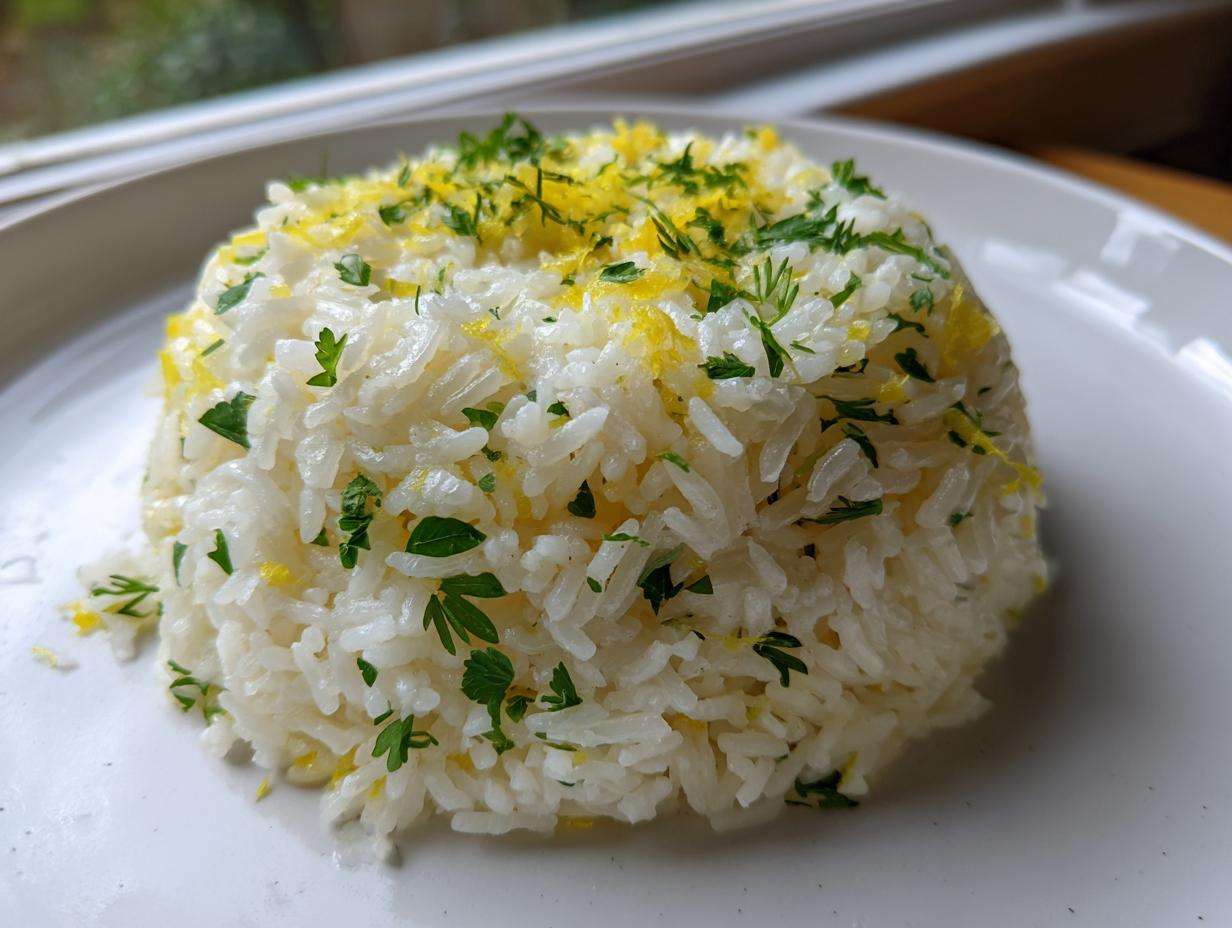
Oh my gosh, get ready for sunshine on a plate! If you’ve ever chased that perfect bite of Greek Lemon Rice—fluffy, fragrant with herbs, and zinging with fresh lemon—then you’ve found your forever recipe. Seriously, I used to struggle with rice going gummy, but not anymore! I finally cracked the code for that authentic texture, and trust me, mastering the texture is half the battle with any pilaf.
This Greek Lemon Rice is my staple when I need a side that feels special but is lightning fast. We’re talking from pantry to plate in about 35 minutes total. Forget takeout; this stovetop method delivers the best tasting, most vibrant lemon-infused rice you’ll ever whip up. It truly tastes like you stopped for lunch on a little island somewhere!
Why This Fluffy Greek Lemon Rice Recipe Works
This recipe isn’t just random ingredients thrown in a pot; we’re following a technique for a reason! This delivers such bright flavor and beautiful fluffiness every single time. Honestly, if you follow these two main points, you can’t fail with your Greek Lemon Rice. It’s why I always go back to this method over others when I’m making an easy rice pilaf.
- The secret to getting those separate grains is paying attention to the prep work you do before the liquid even hits the pan.
- This method ensures you get that fantastic tang we all crave in a Mediterranean Rice Side Dishes.
Achieving Perfect Grain Separation
First off, you absolutely must rinse that rice! I run mine under cold water until the water runs almost clear. That gets rid of the extra surface starch that makes everything sticky. Then, we toast it gently with the onions and oil. That quick toast seals the grain, which is how we get wonderfully fluffy rice.
The Brightness of Fresh Lemon in Greek Lemon Rice
Please, please, please use fresh lemons—don’t cheat with that bottled stuff here! I hit the rice with the zest first while it’s still dry; that releases the oils way deeper into the grain. Then, we fold in the fresh juice right at the end. It’s the combination of the zest lingering and the juice hitting the hot grains that gives our Greek Lemon Rice its famous brightness.
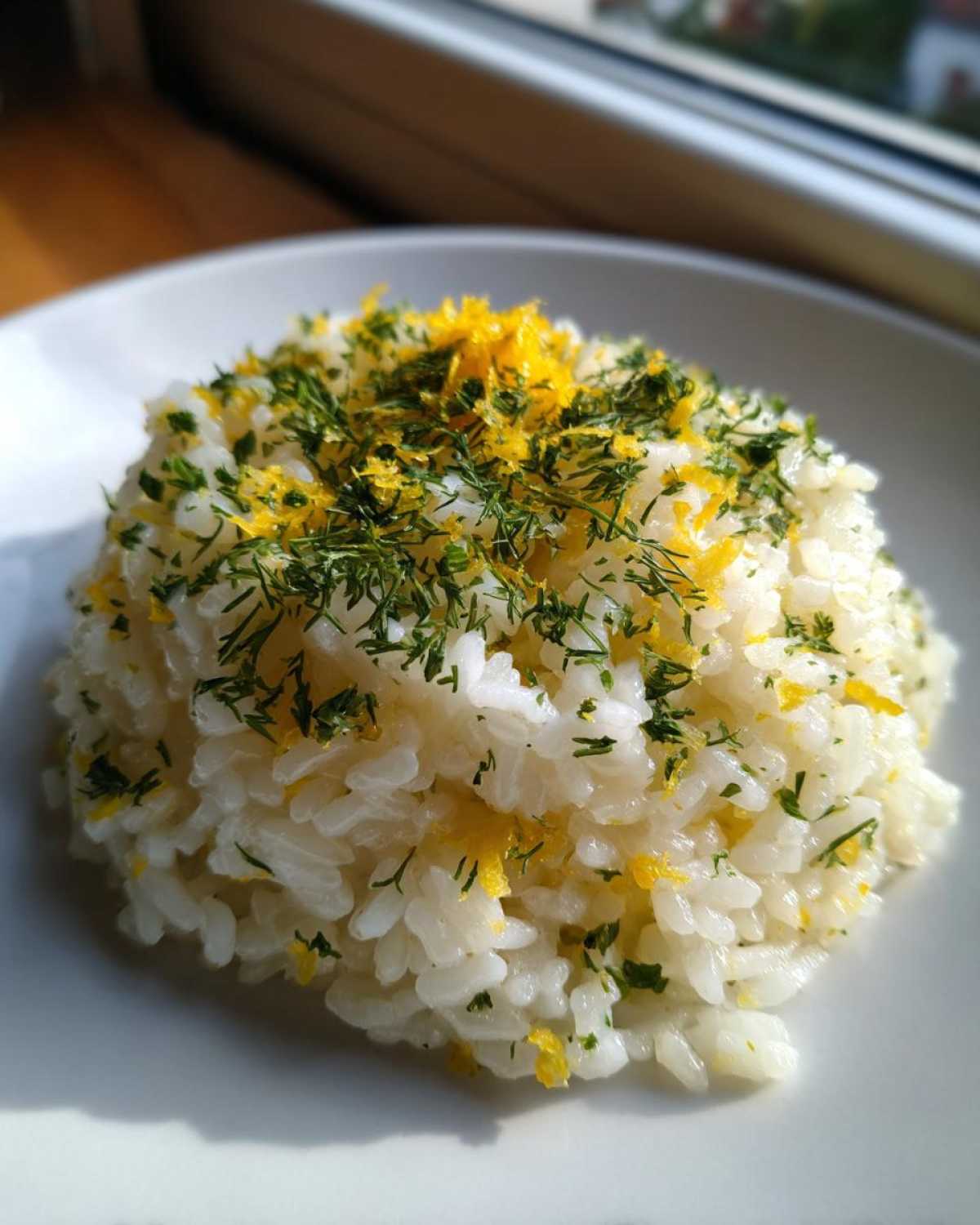
Essential Ingredients for Authentic Greek Lemon Rice
When we talk about making this Greek Lemon Rice Recipe taste right, it all comes down to using good, honest ingredients and prepping them the proper way. I’ve got everything listed here—don’t worry if you don’t have everything in the spice cabinet already!
The liquid ratio is critical here; four cups of broth to two cups of rice is my golden rule for getting that fluffy result, rather than the slightly stickier rice you might get in a traditional Avgolemono soup. For the best flavor boost, I always recommend using low-sodium chicken broth so you can control the salt yourself.
Rice Selection and Preparation
For this pilaf, I stick to a long-grain white rice, like Basmati or even Arborio if you’re feeling fancy! Remember that vital first step? You need to thoroughly rinse those two cups of rice until the running water looks nearly clear. This simple step is non-negotiable for making sure your final dish isn’t gummy!
Flavor Agents: Broth, Zest, and Herbs
Get ready for the flavor party! You absolutely need the zest of one big lemon—that’s where the true sunniness comes from. The fresh lemon juice finishes it off beautifully. And don’t skip the fresh herbs; two tablespoons each of chopped dill and parsley make this taste authentically Greek. They go in last, right after fluffing!
Step-by-Step Instructions for Stovetop Lemon Infused Rice
Okay, here’s where we pull this whole beautiful thing together on the stove. It’s honestly so quick, but timing is everything to ensure you get that incredibly fluffy result we are aiming for in our Greek Lemon Rice. I find that using a heavy-bottomed pan, like a Dutch oven, helps keep the heat even, which is crucial for non-mushy rice! Mastering this timing is how we ensure we have the best lemon flavored rice pilaf.
Sautéing Aromatics and Toasting the Rice
First, warm up your two tablespoons of olive oil over medium heat. Toss in that finely chopped yellow onion and let it soften until it’s sweet and translucent—give that about five minutes. Now for the rice: add your rinsed grains to the pot and stir constantly for about two minutes. You want the edges of the rice to look a little see-through, or translucent. This toasting step is key for keeping your grains separate.
Simmering and The Critical Resting Period
Once toasted, pour in the four cups of chicken broth, salt, and pepper. Bring the whole thing up to a boil. As soon as it hits that hard boil, turn the heat way, way down to low. Cover that pot tightly and let it simmer for exactly 15 minutes. Listen carefully: After those 15 minutes, take the whole thing off the heat—don’t even peek! Let it sit, still totally covered, for another 10 minutes. This resting phase steams the rice perfectly! Trust me, lifting that lid too soon ruins everything.
Finishing the Greek Lemon Rice
When the resting time is up, uncover the pot and gently fluff the rice with a fork—no stirring aggressively! Now, quickly fold in that lemon zest, the fresh lemon juice, the dill, and the parsley. Make sure everything is mixed in evenly, and serve this amazing Stovetop Lemon Infused Rice right away while it’s hot and aromatic.
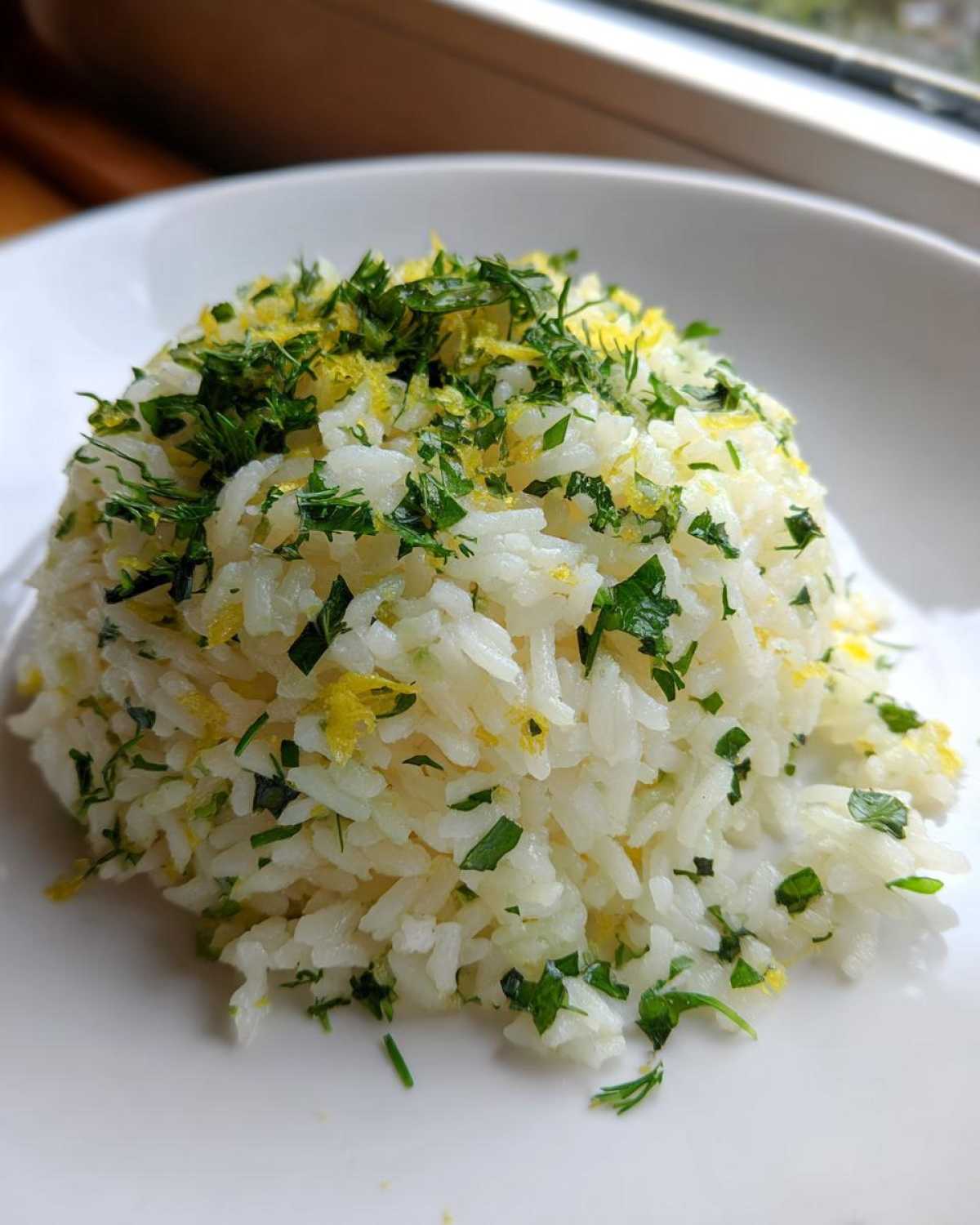
Tips for Success: Mastering Your Greek Lemon Rice Pilaf
If you’re reading this, I know you’re aiming for perfection—that light, zesty bite that defines a great Greek Lemon Rice Pilaf. I’ve got a couple of extra things I always do that ensure my rice turns out fluffy and flavorful, not dense. It’s all about paying attention to the details that make the difference between good rice and restaurant-quality rice. If the texture is your main concern, mastering the fluffing helps a lot, just like when I make my easy rice pilaf with fluffy orzo.
First, use high-quality chicken broth; it adds so much backbone flavor compared to just water, making this the Best Lemon Flavored Rice Pilaf. Second, when you fluff it at the end, be gentle! You want to separate the grains, not smash them into a paste. Use a wide fork and lift upward. This keeps those precious air pockets we created during the toasting and resting phases intact. It’s these little expert touches that really nail the texture!
Also, if you want an extra layer of savory richness right at the start when you are cooking the onions, try adding a pinch of garlic powder along with the salt and pepper before the rice goes in. It integrates beautifully into the final Greek Lemon Rice!
Ingredient Notes and Substitutions for Lemon Rice Side Dish
Look, I get it—sometimes your pantry isn’t perfectly stocked for a spontaneous Greek night! You might be asking yourself, “What if I don’t have chicken broth on hand for this Lemon Rice Side Dish?” Don’t panic! While I truly believe the chicken broth gives our Greek Lemon Rice that authentic, savory depth, you can absolutely make swaps.
If you use water instead of broth, you need to boost the salt and maybe add a teaspoon of vegetable bouillon paste (like Better Than Bouillon) so you don’t lose that foundational taste. My rule of thumb is always to make sure your liquid volume stays exactly four cups, no matter what you use. If you try making easy chicken tacos later, you can save those leftovers for a Greek chicken and rice casserole filing!
Broth Alternatives
If you have to use plain water, you need to compensate for the flavor loss. I’d suggest adding 1/2 teaspoon of salt and a tiny dash of garlic powder into the water before it boils with the rice. Water itself is fine for cooking the starch, but it won’t contribute flavor depth like broth does. Keep that liquid volume constant at four cups!
Herb Swaps
Fresh herbs are always best, especially the dill—it’s so summery! But if all you have is dried, you can substitute. Generally, you want to use about one-third the amount of dried herbs compared to fresh. So, if the recipe calls for 2 tablespoons of fresh dill, use 2 teaspoons of dried dill instead. Add the dried herbs in with the broth so they have time to rehydrate and release their flavor during the simmer and rest!
Serving Suggestions for Mediterranean Rice Side Dishes
So, you’ve nailed the fluffiest Greek Lemon Rice, now what are you serving it with? Honestly, this bright and tangy rice is so versatile! It’s practically the required sidekick for anything Greek. It’s perfect soaking up the juices from a platter of souvlaki or gyros.
I love pairing it with something super fresh, like grilled fish. Have you tried my recipe for lemon herb roasted salmon? It’s a match made in heaven. It’s also fantastic underneath a big serving of baked chicken. For a full meal, try serving it alongside my sheet pan Greek chicken and veggies—it catches all those yummy pan drippings!
Pairing with Protein
This rice sings beautifully with lamb chops; the lemon cuts right through the richness. If you’re doing seafood, anything grilled is great—snapper, swordfish, you name it. It’s one of those go-to Mediterranean Rice Side Dishes that shows up at every family gathering.
Storage and Reheating Instructions for Greek Lemon Rice
Because we worked so hard to get this rice perfectly fluffy, we need to treat our leftovers right! You can absolutely store your Greek Lemon Rice in an airtight container, and I find it keeps beautifully in the fridge for about three days. Just make sure it cools down quickly first!
When you reheat it, the lemon flavor can get a little muted, so here’s my trick: before microwaving, splash in just a tiny bit more fresh lemon juice or a teaspoon of water. Cover it loosely with a damp paper towel while heating. This adds just enough steam back to revive those individual grains. It’s the best way to enjoy this Flavorful Rice for Seafood the next day!
Frequently Asked Questions About Avgolemono Rice
I know when I’m looking up a new recipe, I always have a million little questions floating around. I tried to cover all the main ones about making truly great Avgolemono Rice right here. If you’ve got any other burning questions after making this Greek Lemon Rice Recipe, drop a comment below!
Can I make this Greek Lemon Rice Recipe vegan?
That’s a great question! Since this recipe naturally uses olive oil and doesn’t require any creamy finishers like butter or milk, it’s super easy to make vegan. Just stick to using vegetable broth instead of chicken broth. If you need to learn more about food preservation, check out this guide on how to freeze other fresh items! You’ll end up with a fantastic, bright, and zesty vegan Lemon Rice Side Dish.
How do I prevent my Greek Rice Pilaf with Lemon from becoming mushy?
This is my number one tip for anyone who has struggled with rice before: two steps are essential! First, you must rinse that rice until the water runs clear to get rid of the sticky starch. Second, and this is huge, you cannot skip the resting period. After you turn off the heat, leave the pot totally covered for a full 10 minutes. That steam finishes the cooking perfectly and sets the texture. That combination prevents any mushiness in your Greek Rice Pilaf with Lemon.
What is the difference between this and traditional Avgolemono soup?
Oh, that’s an interesting one! People often confuse the two because they share the name ‘Avgolemono,’ which means egg-lemon. In the soup, they whip up an actual sauce using tempered eggs and lemon juice to thicken the entire broth—it’s creamy and rich! For our Fluffy Greek Rice Pilaf, we aren’t making a sauce; we’re just folding in the fresh lemon juice and zest at the very end as a bright, final seasoning. It keeps the rice light and fluffy instead of creamy and thick!
Share Your Bright and Tangy Rice Recipe Experience
I really hope this recipe helps you bring a little bit of that sunny Greek flavor right into your own kitchen. When you make this Greek Lemon Rice, I want to know what you think! Have you ever tried adding a tiny pinch of turmeric for color? Tell me!
Please don’t forget to come back and leave a rating for this recipe—your feedback helps other home cooks feel confident trying it out. And if you snap a picture of your beautiful, fluffy side dish next to your grilled fish or chicken, tag me! I absolutely love seeing your creations. I’m always looking for new ways people are enjoying their rice; maybe you’ve found a delicious pairing I haven’t thought of yet, like serving it with a lemon ricotta pasta!
Happy cooking, and enjoy that fantastic citrus zing!
Print
Greek Lemon Rice (Avgolemono Pilafi)
- Total Time: 35 min
- Yield: 4 servings
- Diet: Vegetarian
Description
Prepare fluffy, bright Greek Lemon Rice using chicken broth and fresh lemon for an authentic side dish.
Ingredients
- 2 tablespoons olive oil
- 1 medium yellow onion, finely chopped
- 2 cups long-grain white rice (like Arborio or Basmati), rinsed
- 4 cups low-sodium chicken broth
- 1 teaspoon salt
- 1/2 teaspoon black pepper
- Zest of 1 large lemon
- 1/4 cup fresh lemon juice
- 2 tablespoons fresh dill, chopped
- 2 tablespoons fresh parsley, chopped
Instructions
- Heat the olive oil in a large saucepan or Dutch oven over medium heat.
- Add the chopped onion and cook until softened, about 5 minutes.
- Add the rinsed rice to the pan and toast, stirring constantly, for 2 minutes until the edges look slightly translucent.
- Pour in the chicken broth, salt, and pepper. Bring the mixture to a boil.
- Once boiling, reduce the heat to low, cover the pan tightly, and simmer for 15 minutes without lifting the lid.
- Remove the pan from the heat and let it stand, covered, for an additional 10 minutes. Do not lift the lid during this resting period.
- Fluff the rice gently with a fork.
- Stir in the lemon zest, fresh lemon juice, dill, and parsley until evenly combined.
- Serve immediately as a side dish.
Notes
- Rinsing the rice removes excess starch, which helps create fluffier, separate grains.
- For a richer flavor, use homemade chicken broth instead of store-bought.
- This rice pairs well with roasted chicken, grilled fish, or as a base for a Greek chicken and rice casserole filling.
- Prep Time: 10 min
- Cook Time: 25 min
- Category: Side Dish
- Method: Stovetop
- Cuisine: Greek
Nutrition
- Serving Size: 1 cup cooked
- Calories: 350
- Sugar: 2
- Sodium: 450
- Fat: 7
- Saturated Fat: 1
- Unsaturated Fat: 6
- Trans Fat: 0
- Carbohydrates: 65
- Fiber: 2
- Protein: 8
- Cholesterol: 5



Comments are closed.