
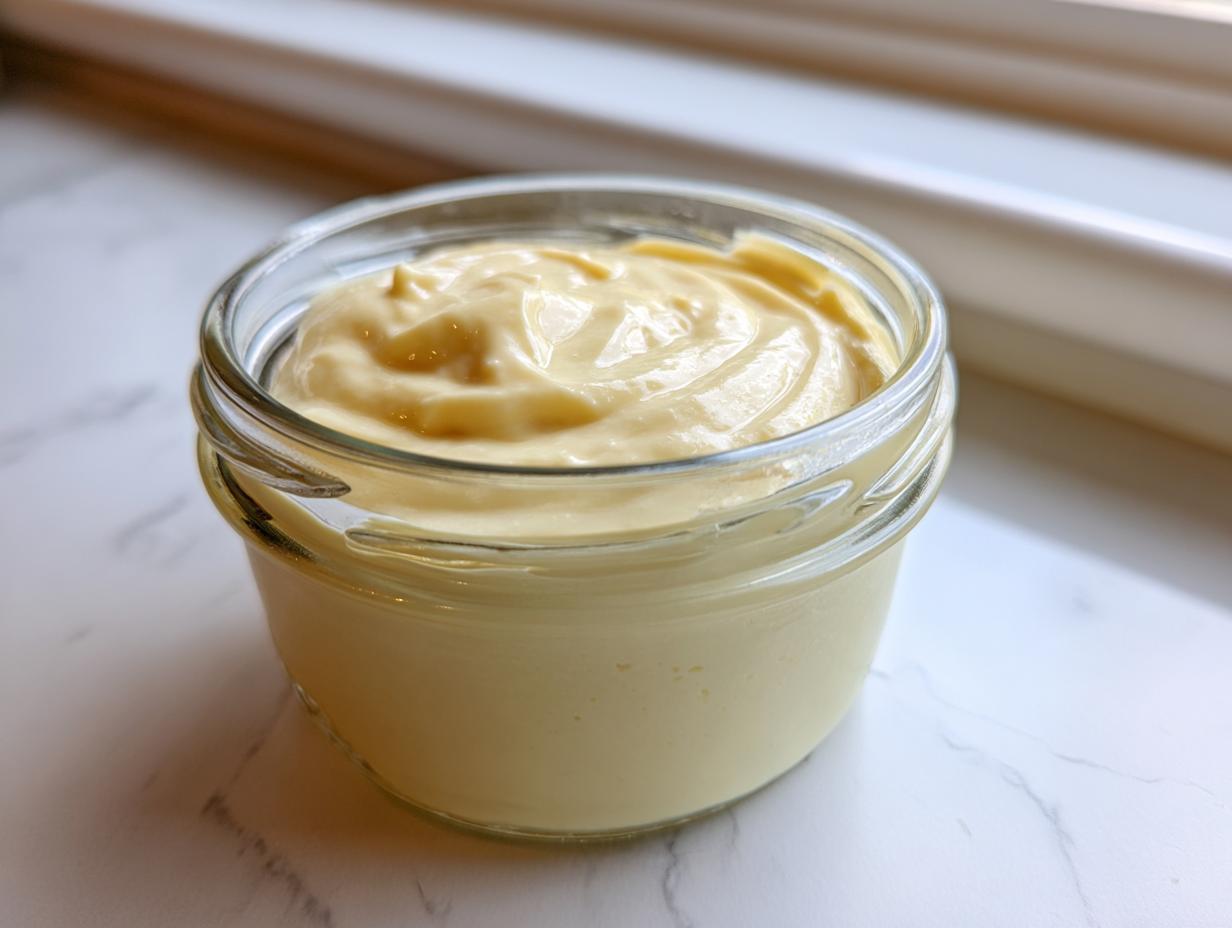
Oh, my friends, if you’re still buying that jarred stuff off the shelf, stop right there! Seriously, just hit pause. My Italian grandmother taught me that the real flavor of life comes from fresh ingredients, and there is no better example than this! Forget everything you think you know about making the creamy, rich stuff. I’m sharing my absolute favorite, can’t-live-without recipe: the Easy 5-Ingredient Creamy Homemade Mayonnaise. It moves from five simple ingredients to that beautiful, thick condiment you dream about in under ten minutes. Trust me, once you taste this vibrant, fresh mayonnaise, you won’t look back. It’s culinary magic!
Why This Is the Best Homemade Mayonnaise Recipe You Will Ever Make
I know, I know, everyone claims their jarred stuff is fine, but honestly, once you make this fresh condiment, you realize what you’ve been missing. This recipe isn’t just good; it’s foolproof, which is excellent for a beginner mayonnaise guide! It truly is the key to making mayo that never fails.
- It gives you that incredibly rich and smooth mayo texture that just sings on a sandwich.
- The process is almost laughably simple—seriously, making mayo foolproof is my goal here!
- You control everything that goes in, meaning zero weird preservatives or additives.
Quick Mayo From Scratch: Ready in Under 10 Minutes
This is not a lazy Sunday project; this is a ‘I need a dipping sauce for dinner *right now*’ project! If you use an immersion blender, you can literally go from cabinet ingredients to thick, beautiful mayonnaise faster than you can drive to the store. That speed is crucial when you want flavor fast.

Achieving a Rich and Smooth Mayo Texture
The secret isn’t just the ingredients, but the emulsion! When you get that slow stream of oil just right, the result is velvety. It sets up thicker than the kind you buy, which is amazing for topping things like my egg salads or even just thick layers on good bread.
Gathering Ingredients for Your 5 Ingredient Homemade Mayonnaise
Okay, let’s get the magic potion ready! This amazing batch of 5 ingredient mayonnaise is built on simplicity. We are talking egg yolk, Dijon mustard, lemon juice, white wine vinegar, and oil. That’s it! But listen closely, because my *nonna* would rise from the grave if I let you mess this up with cold ingredients.
Ingredient Clarity: Room Temperature is Key
This is the most important expert tip I can give you, so pay attention! Everything needs to be room temperature—the yolk, the mustard, everything. If your egg yolk is cold, the oil won’t want to play nice, and *poof*—you get soup instead of mayo. For the oil, you absolutely must use a neutral flavor, like canola or grapeseed oil. We want the flavor of fresh lemon and mustard, not heavy olive oil!
Step-by-Step DIY Mayonnaise Instructions Using a Blender
Now for the fun part! Honestly, following these diy mayonnaise instructions feels almost like cheating because it happens so fast. You’ll want to have your immersion blender ready to go, or perhaps a small food processor if that’s what you have handy. The method relies on creating a perfect emulsion, which sounds fancy, but it’s really just about controlling how you introduce the oil. Once you nail this, you’ll be spreading this fresh condiment on everything, even my homemade French bread!
Combining the Base Ingredients
First things first, get all your non-oil ingredients into the blender container. That means the room-temperature egg yolk, the Dijon mustard, the fresh lemon juice, and that splash of white wine vinegar. Pulse these together for just a quick 30 seconds. You’re looking for them to get happy and combined—a little pale and frothy is perfect! Don’t overthink this part.
The Critical Step: Slow Oil Addition for Homemade Mayonnaise
This is where your homemade mayonnaise either succeeds brilliantly or turns sad and runny. With the blender running on a low setting—and I mean low—you need to start adding that neutral oil in a stream so thin it’s almost invisible! Seriously, drizzle it slowly. If you dump it in too fast, you’ll scare the emulsion away, and you’ll end up with runny soup instead of that thick, perfect mayo. Keep that slow stream going until you see it start thickening up right before your eyes. It’s mesmerizing!

Adjusting Consistency of Your Creamy Mayonnaise Recipe
Once it looks like actual, real mayo, you can speed up the oil stream just a tiny bit, but always keep it steady. When all the oil is in, you should have a gorgeous, thick dollop. If, by chance, you went a little too slow or added too much oil, don’t panic! For your creamy mayonnaise recipe, if it feels brick-thick, just add one tiny teaspoon of warm water while blending on low. That little bit of water helps relax the mixture into the perfect consistency. This is how we make sure every batch is a winner!
Troubleshooting Common Issues When Making Homemade Mayonnaise
Even when we follow the rules, sometimes kitchen gremlins show up! The most common disaster when making homemade mayonnaise is when it separates and looks thin, like oily sadness. Don’t throw it away! We know exactly how to make mayo without separating when we mess up; it’s a classic revival technique. If your mayo looks runny, grab a clean, small bowl.
Put just one single teaspoon of warm water in that clean bowl. Then, you slowly, *slowly* whisk in your runny mayo mixture, a teaspoon at a time, like you are starting over. That little bit of warm water acts like a bridge for the broken emulsion. Keep whisking gently, and you’ll watch that beautiful texture come right back! It takes patience, but seeing that thick, creamy mayo reform is so rewarding. You’ll find a similar great tip for fixing things over on Ten Acre Baker’s site, too!
Tips for Success with Your Blender Mayonnaise Tutorial
Okay, now that you know the main steps in this blender mayonnaise tutorial, here are a few little secrets I’ve picked up over the years to guarantee perfection. Tip number one: Cleanliness counts! Make sure your blender jar or immersion cup is absolutely clean and dry before you start. Any lingering water droplets are an enemy to emulsification, believe me!
My biggest disaster, and I mean truly messy, runny disaster, happened after a long day when I got impatient. I thought I could speed up the oil stream just a little bit after the first half-cup went in. Big mistake! It broke instantly. I had to salvage the batch (using that warm water trick above!), but it taught me never to rush that crucial pouring phase.

For a little extra zip that elevates this from basic to gourmet, sometimes I skip the white wine vinegar and use fresh lime juice instead. It gives the final product a slightly brighter, more tangy taste, perfect if you plan to use it for shrimp cocktails or as a base for a zesty dip. It’s these tiny tweaks that make fresh condiment recipes so fun to play with!
Serving Suggestions for Your Fresh Condiment Recipes
Now that you have this glorious, rich, and smooth mayonnaise, what on earth do you do with it? You toss out that store-bought jar immediately! These fresh condiment recipes taste so much better when made with fresh ingredients. It’s truly the best sauce base you can have in the fridge. It’s perfect for everything from a spoonful on its own to a base for my famous egg salad!
Making a Healthy Sandwich Spread Base
Use a spoonful of this homemade goodness as the base for your lunch mixtures. It instantly elevates things like tuna or chicken salad (try my cottage cheese chicken salad if you want lighter options!) or even just spreading it thick on a nice piece of toast before adding your veggies. The fresh tang really cuts through rich flavors.
Using Homemade Mayonnaise in Dressing Base Recipes
This is also the secret weapon for fantastic dressings. Whisk in some herbs and a touch more lemon for a quick aioli, or use it as the creamy starting point for homemade ranch or the dressing for a truly spectacular coleslaw! You can even mix a bit with sour cream for a wonderful, tangy homemade dip for fries or roasted vegetables—you won’t stop eating them!

Storage and Shelf Life for Homemade Mayonnaise
This is where my Italian reverence for fresh food really kicks in, my friends! Because this homemade mayonnaise recipe uses raw egg yolk and absolutely zero preservatives, you have to treat it right. This isn’t like that jar that sits happily in the back of the pantry for months. Since we are making a fresh condiment, shelf life is short, but that’s okay—it means you’re eating it while it’s at its peak flavor!
You must transfer your beautiful, thick mayo into a container that seals up tight. I prefer a small glass jar, maybe one that held some jam yesterday. Once it’s sealed, it needs to go immediately into the refrigerator. This keeps everything safe and keeps that creamy texture stable.
Now for the hard part: how long does it last? Honestly, for the best flavor and for food safety, you really need to use up your homemade mayonnaise within one week. If you notice any slight change in color or smell anything less than perfectly fresh—toss it no questions asked! It’s so quick to make another small batch, and the absolute freshness is worth the little bit of extra effort now and then. You’ll find yourself making a pint every Sunday just to keep things stocked!
Frequently Asked Questions About Homemade Mayonnaise
Can I make homemade mayonnaise without an immersion blender?
Yes, absolutely! While the immersion blender is my favorite tool for this quick mayo from scratch because it’s so fast and reliable, you certainly can make it the classic way. You can use a small food processor, which will be nearly as fast, or you can rely on a steady whisk and a jar. If you use the whisk and jar method, you just have to be extra patient when drizzling in that oil, really stressing that slow, thin stream to ensure you get that perfect texture every time. It takes a little elbow grease, but it works! If you’re looking for mayonnaise-free alternatives for a dish, check out my avocado egg salad recipe!
Is this 5 ingredient mayonnaise healthier than store-bought?
In my opinion, yes, it’s healthier because you know exactly what you are eating! The biggest difference is the lack of artificial preservatives. Commercial jars have stabilizers and additives so they can sit on the shelf for months after processing. Ours is pure, fresh flavor. When you use a good quality, neutral oil, you are getting a wonderful fat source without any hidden sugars or chemicals. It’s definitely a superior choice for a healthy sandwich spread!
What oil is best for the creamiest mayonnaise recipe?
When we are aiming for that truly creamiest mayonnaise recipe texture, flavor neutrality in the oil is your best friend. You want the lemon and mustard to shine, not the oil! That’s why I always insist on canola oil or grapeseed oil. Light olive oil can work in a pinch if you don’t mind a slight fruity note, but avoid extra virgin olive oil entirely—it’s too strong and often spoils the beautiful emulsification process. Neutral equals perfect results every time, which is key for a great dressing base recipe.
Share Your Kitchen Staple Recipes Success
Now that you know the secrets to my ultra-reliable, homemade mayonnaise method, I really want to hear how it went for you! Did you manage to get that perfect, rich texture on your very first try? Cooking should always be a conversation, not just a checklist, so please come down to the comments section below and tell me everything. Did you try it in a creamy dip? Did it take you five minutes or a slightly panicked seven?
If you loved how easy these easy homemade condiments are, please take a moment to give the recipe a star rating! That feedback helps me know which recipes to feature more often in the blog.
And since you know I spend a lot of time over on Pinterest getting inspired, if this recipe saved your sandwich game, I would be so honored if you shared it there! Seeing your pins—like the beautiful examples from others making their ultimate homemade mayo—is what keeps me inspired to keep cooking and sharing these traditions. Come join me in sharing the joy of fresh cooking! Start exploring more of my other easy homemade condiments while you’re here!
Print
Easy 5-Ingredient Creamy Homemade Mayonnaise Recipe
- Total Time: 5 min
- Yield: About 1 cup
- Diet: Vegetarian
Description
Whip up rich, smooth homemade mayonnaise in minutes! This easy, foolproof recipe uses just five simple ingredients to create a fresh condiment far superior to store-bought versions. Perfect for sandwiches, salads, and dips.
Ingredients
- 1 large egg yolk, room temperature
- 1 teaspoon Dijon mustard
- 1 teaspoon fresh lemon juice
- 1/2 teaspoon white wine vinegar
- 3/4 cup neutral oil (like canola or grapeseed), room temperature
Instructions
- Place the egg yolk, Dijon mustard, lemon juice, and vinegar into the container of an immersion blender or a small food processor.
- Blend these ingredients together for about 30 seconds until they are well combined and slightly pale.
- With the blender running on low speed, begin adding the oil in a very slow, thin stream. This step is crucial for emulsification.
- Continue adding the oil slowly until the mixture begins to thicken. Once it thickens, you can increase the oil stream slightly, but keep it steady.
- Stop blending once all the oil is incorporated and you have a thick, creamy mayonnaise. If the mixture is too thick, you can add 1 teaspoon of warm water to reach your desired consistency.
- Taste and add a pinch of salt and pepper if desired (optional, as salt was not in the base 5 ingredients).
- Transfer the fresh condiment to an airtight container. You have made your own rich and smooth mayo!
Notes
- Use room temperature ingredients; cold ingredients increase the chance of the mayonnaise separating.
- If your mayonnaise separates (looks runny), place one teaspoon of warm water in a clean bowl and slowly whisk in the separated mixture, one teaspoon at a time, until it re-emulsifies.
- This homemade mayo is best used within one week when stored in the refrigerator.
- Prep Time: 5 min
- Cook Time: 0 min
- Category: Condiment
- Method: Blending/Emulsifying
- Cuisine: American
Nutrition
- Serving Size: 1 tablespoon
- Calories: 90
- Sugar: 0
- Sodium: 50
- Fat: 10
- Saturated Fat: 1.5
- Unsaturated Fat: 8.5
- Trans Fat: 0
- Carbohydrates: 0
- Fiber: 0
- Protein: 0.5
- Cholesterol: 45


Comments are closed.