
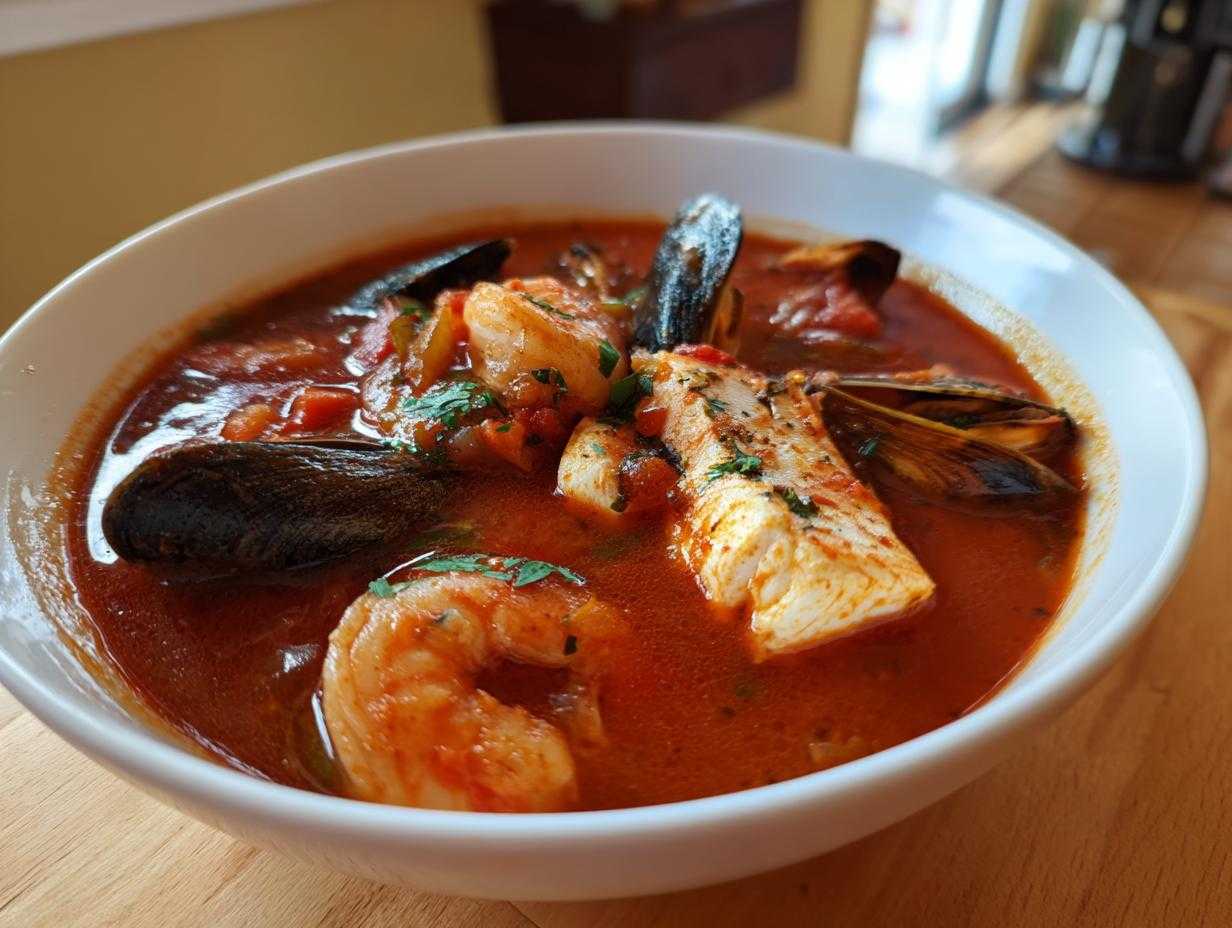
Oh my gosh, when that cool coastal air hits and you just crave something warm, bright, and deeply flavorful, nothing beats a massive, steaming bowl of seafood stew, does it? Forget everything complicated you think you know about shellfish; we are making Cioppino, the real deal—the San Francisco classic!
I mean, this isn’t some fussy French preparation; this is honest, hearty Italian-American cooking. I learned the real secret to that incredible tomato and wine broth years ago from a retired fisherman near Fisherman’s Wharf. Honestly, the magic isn’t just the sheer amount of fresh fish it holds; it’s the simplicity of layering the ingredients correctly. Trust me, this recipe is straightforward, yet when you pull that heavy pot off the stove, the smell alone will make your week.
Why This Is the Best Classic Cioppino Recipe You Will Make
Making a *truly* great San Francisco Seafood Stew at home shouldn’t feel like rocket science, but it does require knowing a few tricks. This method focuses on getting you that rich, complex broth without spending all day layering ingredients like some ultra-fancy recipes demand.
- It nails the authentic tomato and white wine flavor profile—it tastes like it simmered for hours, even though it cooks quickly!
- We use a straightforward layering technique so nothing gets overcooked or mushy.
- The broth is robust enough to stand up to all that amazing seafood. Seriously, you won’t waste a drop.
- It’s the ultimate one-pot seafood meal for feeding a crowd without stress. You just toss everything in!
I’ve linked my favorite quick shrimp toss recipe in case you ever need an equally flavorful pasta side dish for a lighter night! See this great shrimp pasta recipe.
Essential Fresh Seafood Stew Ingredients for Authentic Cioppino
Look, the heart of any incredible Cioppino comes down to one thing: the quality of your catch! You simply cannot fake flavor when it comes to fresh seafood. While the broth does the heavy lifting flavor-wise, getting the right mix here is crucial for texture. I always tell folks, if you can’t find Dungeness crab, use King crab legs—just make sure they are cooked and ready to go.
When gathering your list, really focus on firmness for the fish. You don’t want anything that flakes apart the second it hits the heat! Get your fishmonger to help you out; tell them it’s for a big, bold stew. Here’s exactly what you need for this hearty seafood bowl:
- Two generous tablespoons of good olive oil—don’t skimp here!
- One big yellow onion, chopped up nice and small.
- Four cloves of garlic—yes, four! Mince them finely.
- One cup of dry white wine; something you’d actually drink.
- One huge can (28 oz) of crushed tomatoes, plus a 15 oz can of regular tomato sauce.
- Water or fish stock—I prefer stock for that extra depth. One cup is usually enough.
- The herbs: oregano and basil (dried is fine here!), and just a pinch of red pepper flakes to start the heat.
- One pound of firm white fish (cod or snapper work wonders), cut into chunky 1-inch pieces.
- One pound of good mussels, scrubbed clean and any pesky beards yanked off.
- One pound of clams, scrubbed vigorously.
- One pound of large shrimp, peeled and deveined—I leave the tails on for presentation, but you can take them off.
- One pound of Dungeness crab sections, or those glorious pre-cooked King crab legs.
- Salt, pepper, and a little fresh parsley for when we finish up.
If you ever make extra broth and want to use it for another dish, these salmon patties are fantastic served on the side!
How to Prepare the Best Cioppino Broth Recipe
Okay, listen up, because this is where we stop having just ‘soup’ and start having legendary Cioppino! The broth—that gorgeous, deeply seasoned tomato liquor—is the entire foundation. We start by sweating down that onion and garlic in the olive oil in our biggest, heaviest pot. You want that onion soft, almost melted, but definitely *not* browned!
Once the garlic is singing, splash in that dry white wine. This is my favorite step, truly! It lets you scrape up all those flavorful browned bits—that’s pure taste right there! Let that wine bubble away until it reduces almost entirely. That little hit of acidity makes the final Seafood Tomato Sauce Base pop.
After the wine, we mix in the crushed tomatoes, the sauce, the herbs, and your liquid stock or water. This is the stew’s soul, so season it well right now—salt and pepper make a huge difference even before the seafood goes in. I always look for those high-quality Italian canned tomatoes; they just taste brighter.
Building the Flavor Foundation of Your Cioppino
Now, here’s where patience pays off. Once everything is simmering gently, put the lid on slightly ajar and just let it go for a full 20 minutes. Seriously, don’t rush this part! Why? Because simmering the broth slowly allows the oregano, basil, and tomato acids to marry perfectly. It takes that raw, sometimes sharp tomato tang out and leaves you with that rich, deep flavor that defines authentic Cioppino. If you try to add the fish too soon, you end up with flat-tasting seafood floating in tomato water instead of a masterpiece stew.
When we finish the broth, I sometimes have a little extra simmered rice ready to go, like my cheesy rice recipe, just in case someone wants a tiny bit of filler, but usually, this broth is so good, you won’t need anything else!
Layering Seafood for Perfect Cioppino Cooking Times
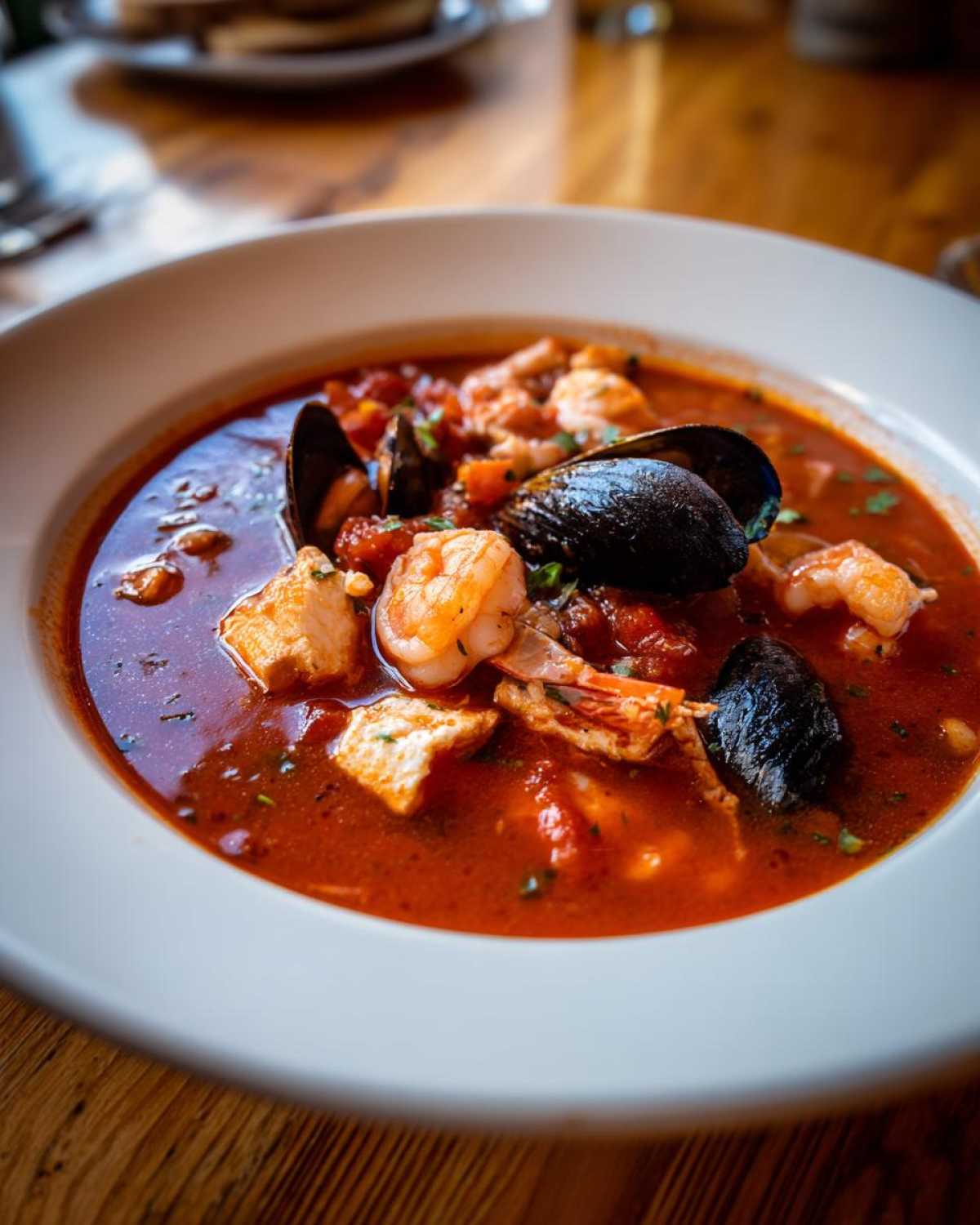
This is the true moment of truth! We’ve got a rolling, glorious broth simmering gently, and now we have to respect the fact that not all seafood cooks at the same speed. If you drop everything in at once, you’ll have chewy, rubbery shrimp hiding beneath perfectly tender clams, and nobody wants that disappointment in their Cioppino!
The key to this layered approach is timing the ingredients based on density. We start with the firmest items: that cubed white fish, and the hardy clams and mussels go in next. Cover the pot and let them just steam for maybe five to seven minutes. You’re looking for those shells to start gaping open!
Once you see action in the pot, gently nestle in your shrimp and the crab sections. Shrimp cook lightning fast, and the crab just needs to heat up since we bought it pre-cooked. Cover it one last time, keep the heat low, and wait just three to five more minutes until the shrimp turn beautifully pink. You absolutely *must* check the shells again. Remember, any clam or mussel that stays stubbornly shut after all that steam is done? Toss it out—it’s not worth the risk!
This careful choreography ensures you get that beautiful mix of tender fish, soft clams, and snappy shrimp in every single ladleful. It’s the professional way to handle a huge pot of mixed seafood, and it’s why I never worry about my baked cod being better than the fish I put in this stew.
Tips for Success When Making Cioppino at Home
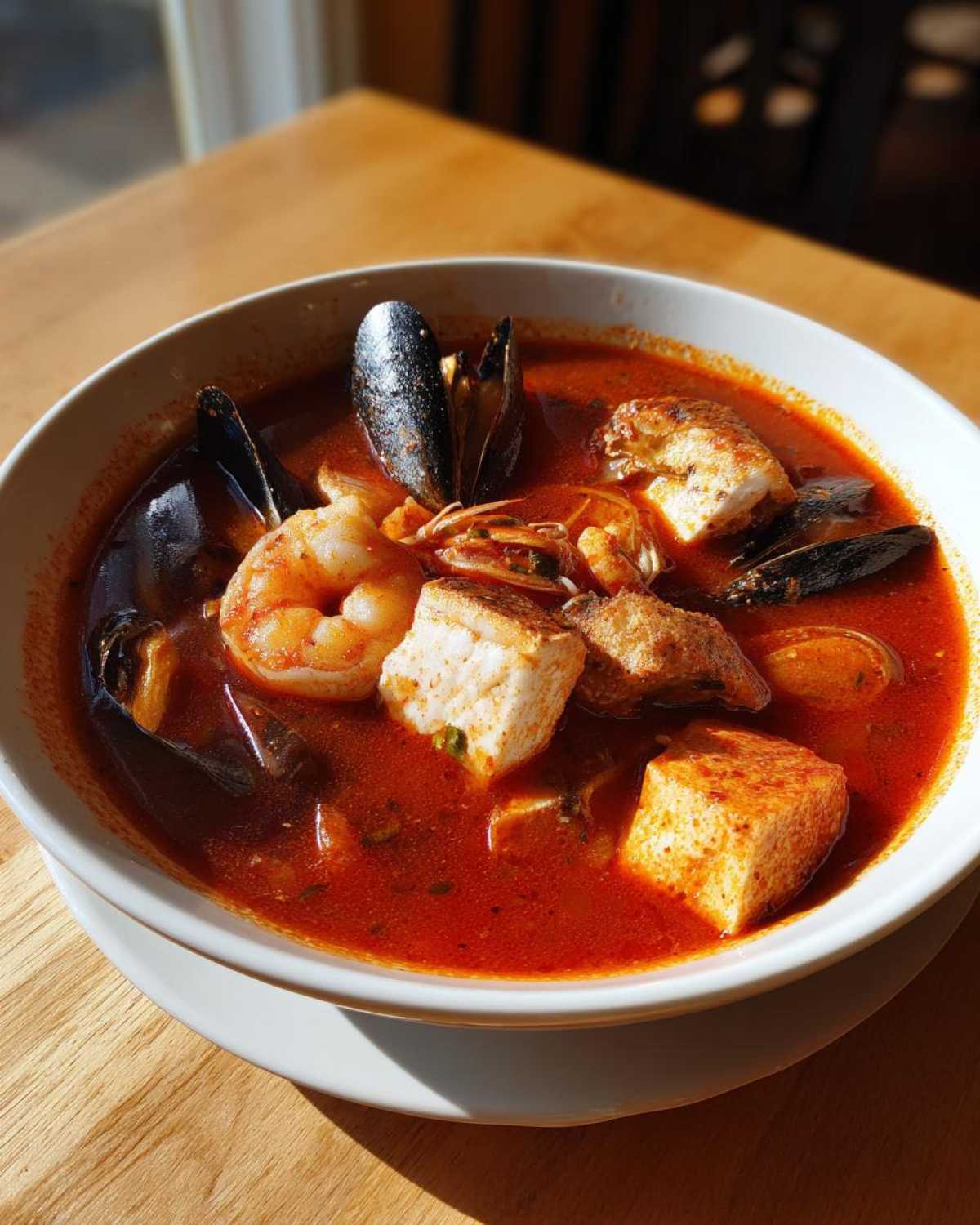
You’ve mastered the broth and timed your seafood perfectly. Awesome! But since we are talking about How to Make Cioppino at Home and achieving that restaurant-quality wow factor, here are a few little secrets I picked up over the years. Look, if you’re investing in all that lovely fresh seafood, you owe it to yourself to treat it right!
First, that heavy pot I keep mentioning? It truly matters. You need a big, heavy-bottomed Dutch oven or stockpot. It holds heat evenly, which keeps that simmer gentle and consistent, preventing scorching on the bottom while the top simmers. Don’t try this in a thin aluminum pot; it handles the heat poorly.
Next, when buying crab, if you get Dungeness pieces, make sure you crack them slightly beforehand. You don’t want to serve guests a whole, impenetrable crab shell. A good whack with the back of a heavy spoon or a lobster cracker right before they go into the pot opens them up just enough so that the broth penetrates the meat. It saves everyone elbow grease at the table!
Finally, remember the notes from the recipe card: substituting fish stock for water in the broth is a game-changer—it boosts the savory background notes tremendously. Also, if you happen to have any leftover fried chicken nuggets stashed away, my nugget recipe makes a surprisingly decent pairing if someone in your party isn’t a huge seafood fan!
Serving Suggestions for Your Hearty Winter Seafood Soup
Now we’ve reached the best part! Ladling this gorgeous, steaming Cioppino into massive bowls? It’s pure drama, and you deserve it after all that cooking. Remember to taste that broth one last time right before serving and hit it with a shower of fresh parsley. That bright green really pops against that deep red tomato base.
But here’s the absolute non-negotiable tradition: You must serve this with thick, crusty bread! We are talking about a loaf so sturdy it can actually stand up to that amazing broth without dissolving the second it touches the liquid. Sourdough is king here; it’s the classic Bay Area choice. If you need a great loaf, you have to try making my French bread recipe—it’s chewy inside and perfectly crisp outside.
The Perfect Wine Pairing for Cioppino
Since we have a bright tomato base and all that delicate seafood flavor, you want a white wine that has good acidity but isn’t overpowering. I always go for a crisp, unoaked Sauvignon Blanc or a dry Italian Pinot Grigio. They cut right through the richness of the broth beautifully and complement the shrimp and white fish perfectly. Cheers!
Storage and Reheating Instructions for Leftover Cioppino
Even a pot this epic usually leaves a bowl or two behind, which is great because frankly, this Cioppino tastes amazing the next day! If you think you’ll have leftovers, try to scoop out the seafood—especially the fish—into a separate container from the broth before chilling. The texture of the fish can get a little soft once it sits in the liquid overnight.
When you reheat, please remember: gentle is key! Never boil leftover stew; that will toughen up the shrimp and any leftover crab meat instantly. Just bring the broth (and any seafood you kept in it) back up to a slow, lazy simmer on the stovetop until it’s hot through. If you separated things, reheat the amazing broth first, and then just drop the shellfish back in for a minute to warm up! It’s so easy.
Frequently Asked Questions About This Classic Cioppino Recipe
I’ve answered these questions a million times for friends who were nervous about making their first big batch of Cioppino. It’s natural to have questions when dealing with so much delicious seafood! Don’t let the ingredient list intimidate you; once you see the layering technique, you’ll be a pro.
Can I use frozen seafood in my Cioppino?
Absolutely, you can! If you are landlocked like I am half the year, frozen is often your only option outside of scallops or shrimp. The key here is proper thawing; I always thaw frozen fish and shellfish overnight in the refrigerator. Never thaw them on the counter! When you add them to the simmering broth, give the frozen ones an extra couple of minutes, but remember that the clams and mussels thaw very quickly once steamed.
How can I make this Italian American Fish Stew spicier?
If you like a real kick, that little quarter teaspoon of red pepper flakes in the recipe is just a suggestion! To crank up the heat in your Italian American Fish Stew, I suggest doubling the flakes when you add them during the broth-building phase. If you want a fiery finish, stir in just a splash of your favorite quality hot sauce right at the end before serving. It brightens the whole bowl up!
What is the difference between Cioppino and Bouillabaisse?
This is a classic kitchen debate! While both are amazing seafood stews, the biggest difference comes down to the flavor base. Our Cioppino relies heavily on that rich, tangy tomato base mixed with Italian herbs like oregano. Traditional French Bouillabaisse is usually lighter in color, relies on saffron and sometimes fennel for its distinct flavor, and generally skips the bright tomato component. So if you love tomatoes, you’re definitely making Cioppino!
If you end up having some amazing leftover broth and want to try something completely different but still comforting, I highly recommend sampling it with some beans, like in my Tuscan bean soup recipe. It’s a fun way to use up that last bit of flavor!
Estimated Nutritional Data for This Seafood Tomato Sauce Base Meal
Now, I have to be perfectly honest here: when you dump a pound of crab and a pile of mussels into a massive pot, the nutrition changes every time! These numbers are an *estimate* for one serving based on our recipe yielding four large bowls. It’s a wonderfully rich meal, so you see the protein is high, which I love!
- Serving Size: 1 serving
- Calories: 450
- Protein: 45g
- Fat: 14g
- Carbohydrates: 35g
It’s a truly satisfying, low-lactose dinner packed with flavor, and the carbs mostly come from the healthy tomatoes and whatever crusty bread you smother in that amazing broth!
Print
Classic San Francisco Cioppino
- Total Time: 60 min
- Yield: 4 servings
- Diet: Low Lactose
Description
Prepare an authentic San Francisco-style seafood stew featuring a rich tomato and wine broth loaded with mixed fresh seafood.
Ingredients
- 2 tablespoons olive oil
- 1 large yellow onion, chopped
- 4 cloves garlic, minced
- 1 cup dry white wine
- 1 (28 ounce) can crushed tomatoes
- 1 (15 ounce) can tomato sauce
- 1 cup water or fish stock
- 1 teaspoon dried oregano
- 1/2 teaspoon dried basil
- 1/4 teaspoon red pepper flakes (or more for heat)
- 1 pound firm white fish (like cod or snapper), cut into 1-inch chunks
- 1 pound mussels, scrubbed and debearded
- 1 pound clams, scrubbed
- 1 pound large shrimp, peeled and deveined
- 1 pound Dungeness crab sections (or pre-cooked king crab legs)
- Salt and black pepper to taste
- Fresh parsley, chopped, for garnish
Instructions
- Heat the olive oil in a large, heavy-bottomed pot or Dutch oven over medium heat. Add the onion and cook until soft, about 5 minutes.
- Add the minced garlic and cook for 1 minute until fragrant. Do not let the garlic burn.
- Pour in the white wine and let it simmer rapidly for 2 minutes, scraping up any browned bits from the bottom of the pot.
- Stir in the crushed tomatoes, tomato sauce, water or stock, oregano, basil, and red pepper flakes. Bring the mixture to a simmer. Season the broth with salt and pepper.
- Reduce the heat to low, cover, and let the broth simmer gently for 20 minutes to allow the flavors to meld.
- Increase the heat to medium-low. Add the firm white fish, mussels, and clams to the simmering broth. Cover the pot and cook for 5 to 7 minutes.
- Add the shrimp and crab sections. Cover and continue to cook for another 3 to 5 minutes, or until the shrimp are pink and opaque and all the clams and mussels have opened. Discard any shellfish that do not open.
- Taste the broth and adjust seasoning if needed. Ladle the stew into large bowls, making sure each serving gets a good mix of all the seafood.
- Garnish generously with fresh chopped parsley before serving.
Notes
- Serve immediately with thick slices of toasted sourdough bread for dipping into the broth.
- For a richer broth, substitute fish stock for the water.
- You can add other seafood like scallops or calamari rings along with the white fish.
- Prep Time: 20 min
- Cook Time: 40 min
- Category: Dinner
- Method: Stovetop Simmering
- Cuisine: Italian American
Nutrition
- Serving Size: 1 serving
- Calories: 450
- Sugar: 12
- Sodium: 650
- Fat: 14
- Saturated Fat: 3
- Unsaturated Fat: 11
- Trans Fat: 0
- Carbohydrates: 35
- Fiber: 7
- Protein: 45
- Cholesterol: 250


Comments are closed.