
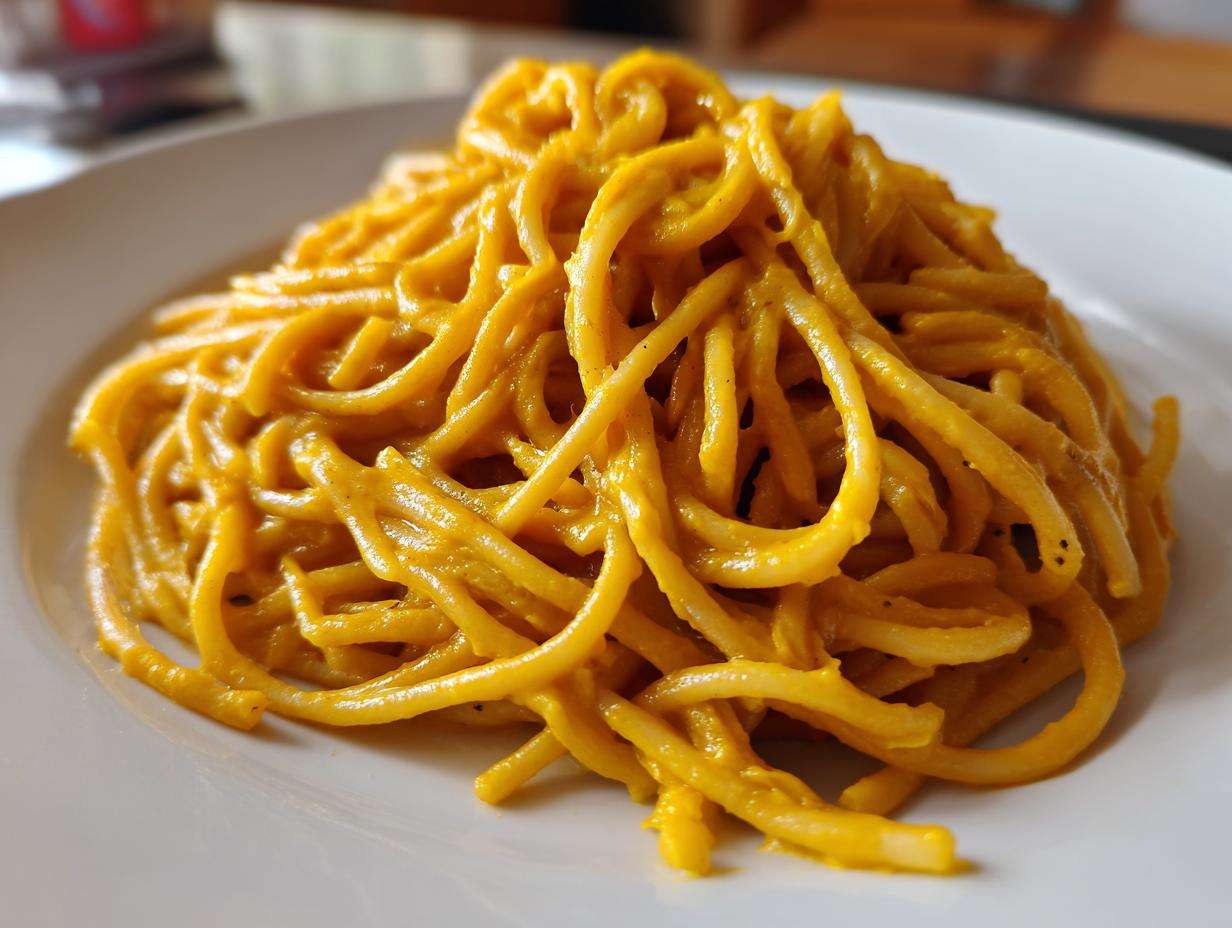
Oh, when those first chilly breezes hit in September, you know exactly what I crave: something deeply cozy, warm, and velvety smooth, all wrapped up in pasta. Forget those thin, watery sauces that leave you craving more. I am telling you right now, this butternut squash pasta sauce is the recipe you need in your rotation! My favorite part? Roasting the squash first. Trust me on this one; roasting concentrates all that sweet, earthy flavor, making the final pureed sauce absolutely incredible. It’s the ultimate comfort food, yet it’s surprisingly easy enough to pull together for a Tuesday night dinner. We’re talking maximum flavor payoff for minimal effort, folks.
Why This Butternut Squash Pasta Sauce is Your New Fall Favorite
I know you’ve seen a million recipes out there, but this one truly delivers the goods for a spectacular fall pasta dinner. People always ask me how I get this sauce so rich without spending an hour stirring on the stovetop. It’s all about balancing the technique with smart ingredient choices. This isn’t just another vegetable puree; it’s pure comfort in a bowl, and it comes together faster than you might think once that squash is in the oven!
Unbeatable Creaminess Achieved Naturally
If you’re chasing that luxurious, expensive-tasting smoothness, you’ve found it here. We use wonderful, roasted squash flesh blended until it’s practically silk. The secret weapon that locks in that texture? Canned coconut milk. It creates a truly velvety squash sauce that feels decadent but keeps things mostly plant-based and incredibly clean. You get all the richness without any heavy lifting!
Perfect for a Weeknight Butternut Squash Dinner
Don’t let the roasting scare you off! Roasting is totally hands-off time—you prep it, and then you go unload the dishwasher or help the kids with homework. Once it’s tender, the sauce comes together in about fifteen minutes on the stove before blending. It’s absolutely a winner for a solid weeknight butternut squash dinner when you want something festive without the fuss.
Gathering Ingredients for Your Butternut Squash Pasta Sauce
Okay, let’s talk about getting everything ready because the better your ingredients are, the better this gorgeous sauce will turn out. When I make this, I really focus on using good quality stuff since there aren’t a ton of competing flavors. You’ll need one medium butternut squash—aim for about three pounds so you get a good amount of flesh for that velvety butternut squash puree sauce to work with. Everything else is pretty straightforward pantry staples, though!
Make sure you have two tablespoons of olive oil for roasting and cooking, one small yellow onion that you’ll chop up nice and fine, and definitely two cloves of garlic, minced super small. For the liquids, grab one cup of vegetable broth—this keeps it completely vegetarian—and the real game-changer: half a cup of canned full-fat coconut milk. Don’t buy the carton kind; that can flavor won’t cut it! We throw in dried sage, salt, and pepper, and then the optional cheesy kicker, nutritional yeast.
Ingredient Notes and Substitution Options
Now, let’s make this work for whatever kitchen you’re in. If you’re avoiding dairy, stick with the coconut milk—it vanishes into the sauce beautifully, and you won’t even taste coconut, I promise! But if you need to go full-on dairy, heavy cream or half-and-half works like a charm instead of the coconut milk. Just swap one for the other cup for cup.
That nutritional yeast? It’s fantastic for adding a little sharp, savory “cheesy” element without any cheese, making it perfect for a vegan butternut squash sauce. If you skip it, that’s fine, but it adds depth. The main thing is the squash itself; make sure you roast it until it’s super soft. Soft squash equals a smoother, richer creamy butternut squash sauce every single time.
Mastering the Roasted Butternut Squash Recipe Step
This—this is the step where you win! Seriously, chopping and roasting the squash properly is what separates a good sauce from the absolute BEST roasted butternut squash recipe you’ll ever make. If you just microwave it or boil it, you’ll end up with watery, bland goo. We want deep, sweet caramelization, which only the oven can provide! Don’t be shy about getting a little color on the edges, either; that’s pure flavor.
First things first, crank that oven up to 400°F (200°C). That heat is what we need to properly tenderize the tough skin and concentrate those natural sugars. Take your squash and use a heavy knife—be careful here—to slice it right down the middle, from stem to bottom. Scoop out all those stringy, seedy guts. I usually save the seeds to roast later, but that’s a project for another day!
Now, the trick that Grandma taught me: rub the cut surfaces with just a tiny bit of olive oil. Then, set them *cut-side down* on a sturdy baking sheet. Why cut-side down? It lets the squash steam a little in its own moisture while the flesh caramelizes beautifully against the pan. Don’t peek too often! Let it roast undisturbed for about 35 to 45 minutes. When it’s done, a fork should slide in with absolutely zero resistance. If you have to wiggle the fork, give it five more minutes. Once it cools down enough for you to handle, you just scoop that gorgeous, deeply flavored flesh right out into a bowl. That pulp is the heart of our sauce!
Preparing the Creamy Butternut Squash Sauce Base
Once you’ve got that stunningly sweet, roasted squash scooped out, it’s go-time on the stovetop! This is where all those basic pantry items transform into something completely magical. You need a nice, large skillet for this—one big enough also to hold all your pasta later, ideally, if you like to toss everything together right in the pan.
Start by heating up the rest of your olive oil over medium heat. I like to use medium heat here; we aren’t trying to burn anything, just coax out the flavor! Toss in your finely chopped yellow onion. Let those cook down until they look translucent and sweet, which usually takes about five minutes. Don’t rush them; soft onions melt into the sauce later, which is key for that smooth finish we love.
Next up, the aromatics! Throw in your minced garlic and the teaspoon of dried sage. Sage and squash are just soulmates, aren’t they? You only need about 60 seconds here until you can really smell that sage waking up. If you smell burning garlic, you’ve gone too far, so keep an eye on it!
Now, bring everything together. Plop that warm, roasted butternut squash flesh right into the skillet with the onions and herbs. Follow that up with your vegetable broth, the full-fat coconut milk (remember, this is the secret to the richness!), the nutritional yeast if you’re using it, and your salt and pepper. Stir it all together really well. You want everything coated and mixed before you let it wake up.
We’re going to let this mixture gently simmer for about five minutes. This isn’t a hard boil; just a gentle bubble. That simmering time is crucial because it allows the dry sage to hydrate and infuse its flavor right into that thick squash base, creating the most unbelievably savory squash sauce you can imagine. It smells like autumn central in my kitchen right now, and it’s glorious!
Blending to Achieve the Perfect Butternut Squash Pasta Sauce Texture
Alright, here is the moment of truth! We have all those amazing roasted flavors simmering together, but now we have to ditch any chunky bits and achieve that incredible, smooth texture we promised you. No one wants a lumpy sauce on their spaghetti, right? We are aiming for pure, unadulterated velvet here.
You have two great options for this transformation. If you have a powerful, high-speed blender—the kind that crushes ice into snow—carefully transfer your hot sauce mixture into the jug. Never overfill it, and always start on a low speed before ramping it up! If you’re like me and prefer to keep things safely in the pot, an immersion blender is your best friend. Just stick it right down into the skillet and blend away until you can’t see any graininess left.
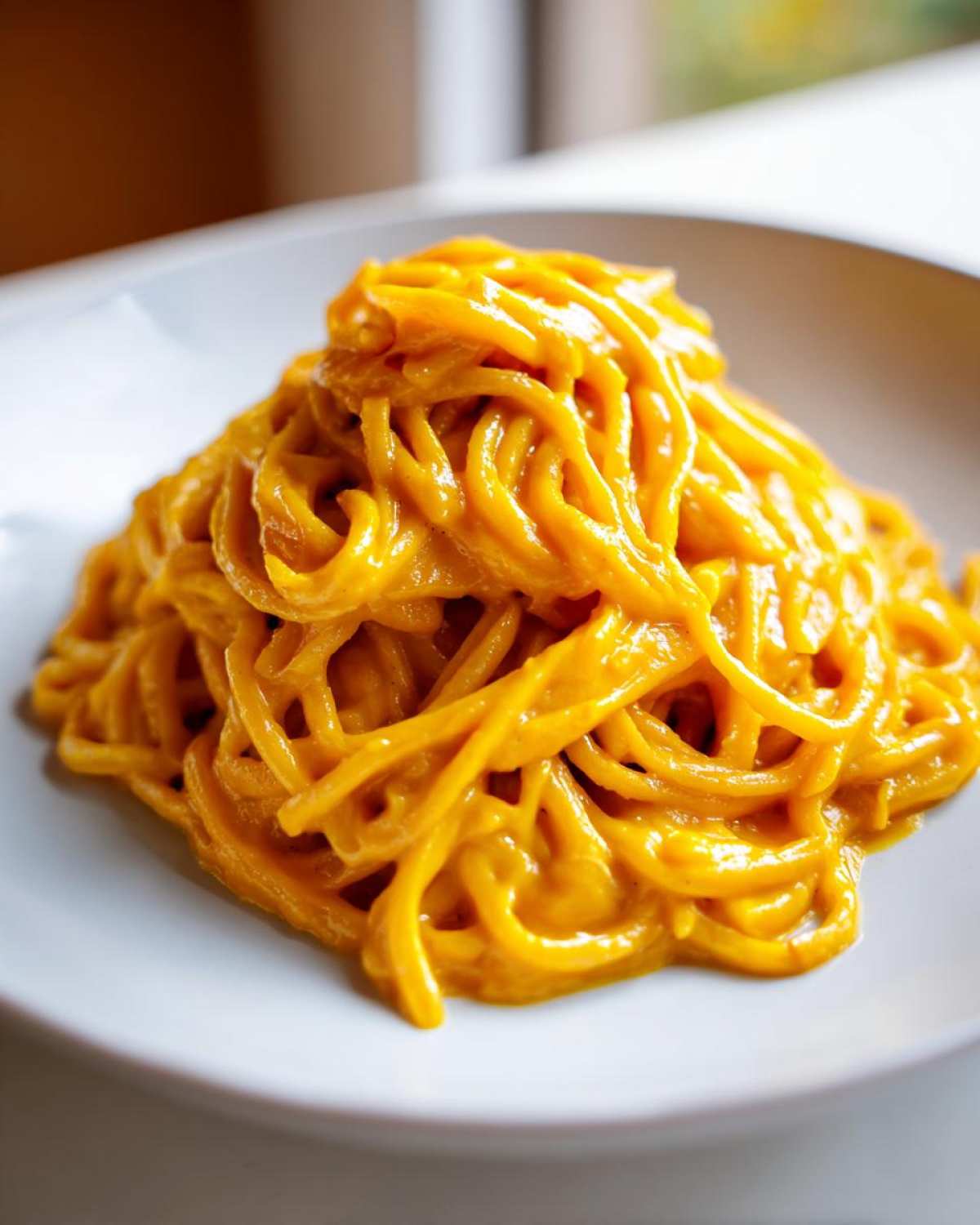
Remember when I told you to save that starchy pasta water? This is why! Once the sauce is blended and looks almost too thick—which it probably will—you start adding that reserved water, just a splash at a time, while you blend or pulse. That starchy water emulsifies beautifully with the squash and coconut milk, giving you the perfect consistency for a truly luxurious butternut squash pasta sauce that clings beautifully to every piece of pasta.
Keep adding water and blending until it flows off a spoon exactly how you want it to coat your fork. Don’t rush this! A few extra seconds blending now means you get that super satisfying, unbelievably smooth finish that makes this dish feel like a treat. Once it’s perfectly smooth and pourable, transfer it back to the skillet to meet your drained noodles!
Tossing and Serving Your Easy Squash Pasta Recipe
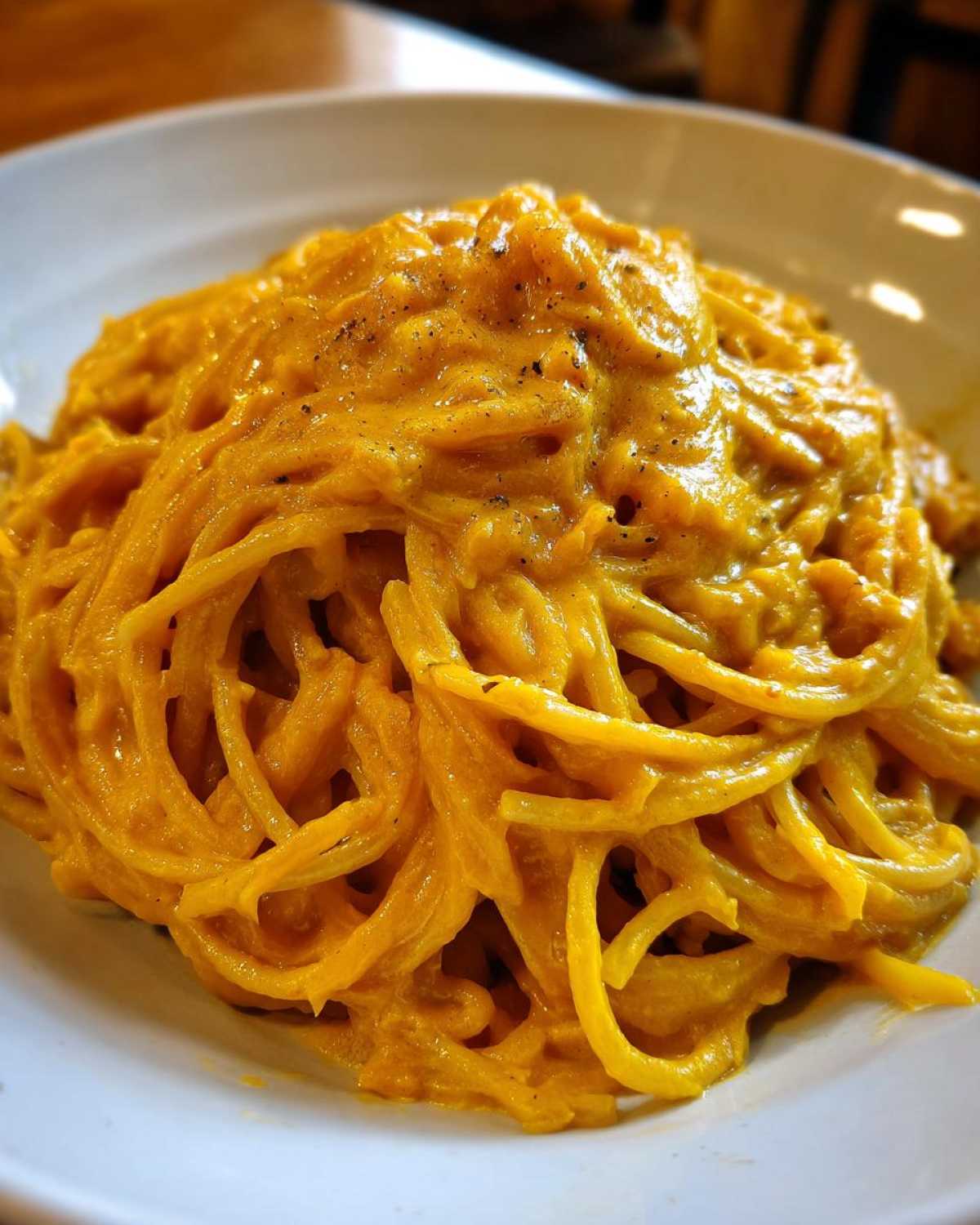
We have arrived at the best part! The velvety smooth sauce is hot, the pasta is perfectly al dente, and now we just need to combine them for what I guarantee will be a show-stopping easy squash pasta recipe. You want to do this right in the skillet if possible, or a large mixing bowl, because we need to make sure every single strand of pasta gets thoroughly coated in that gorgeous orange goodness.
Gently pour all that beautiful, blended sauce directly over your drained pasta. I like to use silicone tongs to toss everything together slowly. Don’t just stir; gently lift and fold the pasta over the sauce to ensure complete coverage. Remember that pasta water we held onto? It’s the champion finisher here.
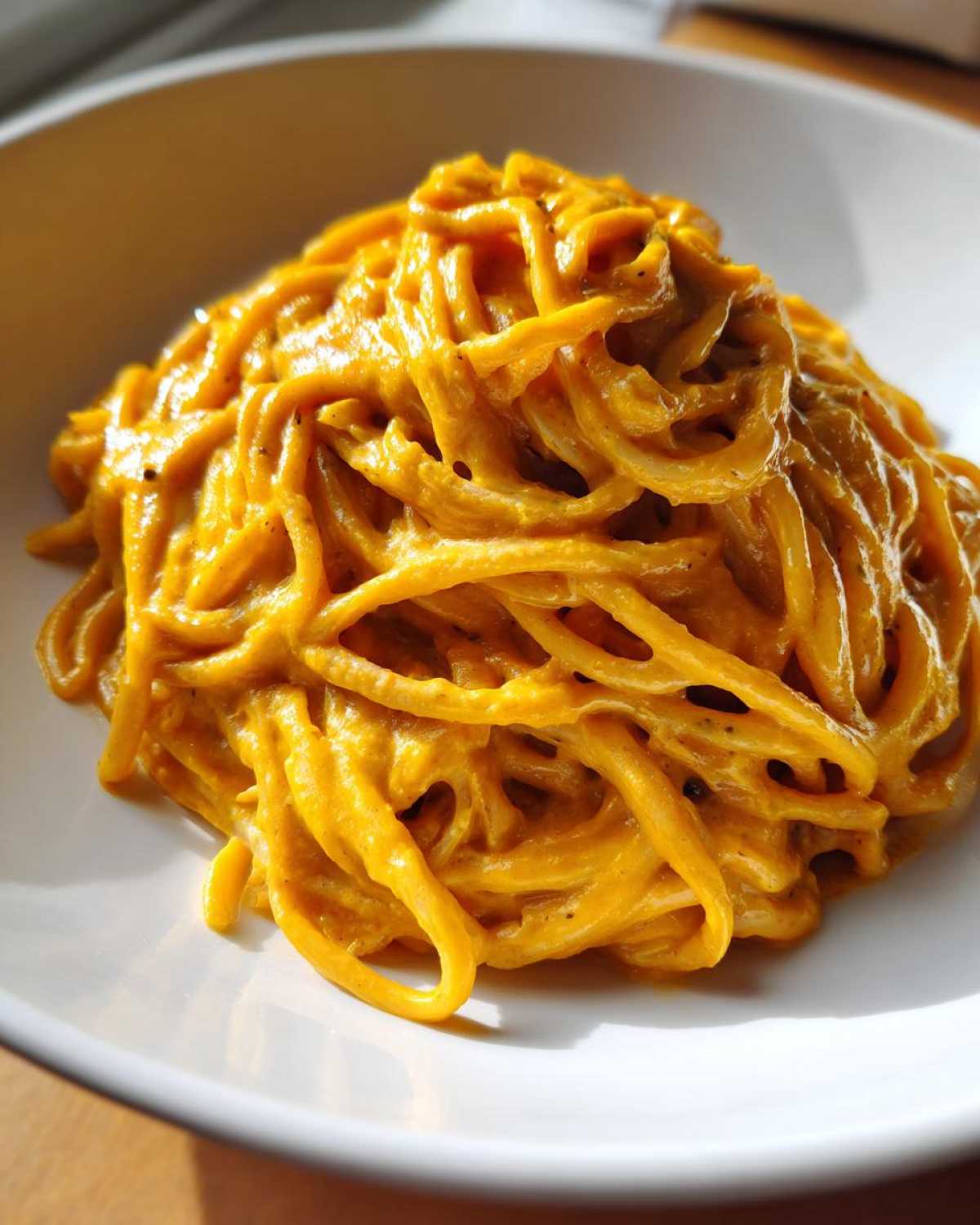
If the sauce seems like it’s clinging a little *too* tightly—maybe it looks a bit tacky—add that reserved starchy water, just one tablespoon at a time, tossing continuously as you pour. That starch helps the sauce stay loose and shiny, giving you that amazing, restaurant-quality coating. It makes all the difference in achieving that signature creamy look.
Once you have the consistency just right—it should look rich but easily move around the pan—it’s time to plate up! This sauce is wonderful all on its own, but presentation makes it feel extra special, right? I always finish my bowl with a drizzle of really good quality olive oil, a sprinkle of coarsely ground black pepper, and maybe some toasted crushed pecans or walnuts right on top for a necessary little crunch. If you want a bit of herbaceous brightness, a tiny dusting of fresh chopped parsley or crispy fried sage takes this autumn wonder over the top!
Variations for Your Butternut Squash Pasta Sauce
Part of the fun in the kitchen is messing around with a great template, right? This recipe is so wonderfully versatile, and there are so many ways you can tweak it to suit whatever you have in the fridge or whatever mood you’re in! We already have a solid base, but let’s look at how to customize it even further, especially if you are dealing with dietary restrictions or just want to jazz up your usual fall pasta dinner rotation.
If you’re looking to add a little more protein or texture, think about what goes well with squash. Toasted pumpkin seeds are just heavenly sprinkled on top—they have that perfect nutty crunch. Or, if you’re feeling fancy, a side of crispy fried sage leaves (which you can make right in a skillet while the sauce simmers!) adds an earthy punch that contrasts beautifully with the creamy richness.
Making a Dairy Free Squash Pasta Version
So, the base recipe I gave you is already completely fantastic as a vegan butternut squash sauce because we used canned coconut milk! It’s the easiest way to get that incredible thickness without any dairy products at all. If you happen to have a coconut allergy, though, we need another strategy for that perfect texture.
For an alternative dairy free squash pasta that’s also nut-free, you can sometimes get away with using a high-quality oat cream or even soy cream if you find one specifically for cooking. You’ll need about the same amount, but you might need a bit less vegetable broth since those substitute creams can sometimes be thinner than full-fat coconut milk. Test as you go! But honestly, if you’re sticking dairy-free, I highly recommend just sticking with the coconut milk; it really works magic here.
Butternut Squash Sage Sauce Additions
Sage is already in there, blessing us with its earthy warmth, but if you want to go all-in on the hearty, savory side of autumn flavors, don’t be shy about mixing in other herbs or spices. This combo is also fantastic if you want to create a true butternut squash sage sauce that tastes unbelievably complex.
Try stirring in about half a teaspoon of dried rosemary when you add the sage—rosemary pairs so well with the sweetness of the squash. If you want a warming spice note that shouts ‘Thanksgiving dessert,’ add just a tiny pinch of ground nutmeg or even a whisper of cinnamon alongside the pepper. It won’t taste sweet, but it adds this amazing backdrop note that makes people stop and say, “What *is* that incredible flavor?” It just deepens everything into an even more perfect fall pasta dinner experience!
Storing and Reheating Your Homemade Pasta Sauce
One of the best parts about whipping up a big batch of this amazing sauce is knowing you have leftovers ready for busy days later on! I always make enough to freeze half because, let’s be real, a good homemade pasta sauce is gold.
When it comes to storage, refrigeration is the easiest option. Make sure the sauce is completely cooled down before you seal it up in an airtight container. Why cool it first? If you put hot food straight into the fridge, it raises the temperature of everything else around it, and that’s just not safe cooking practice! In the fridge, this sauce keeps beautifully for about four or five days. It’s perfect for a quick lunch the next day.
If you need to keep it longer, freezing is the way to go. I usually transfer the sauce into heavy-duty freezer bags and lay them flat on a baking sheet while they freeze solid—this saves so much stackable space in the freezer later! You can safely freeze this sauce for up to three months. It holds up wonderfully!
Now, about reheating—this is where you need to remember that little bit of magic from our blending session. When you thaw frozen sauce or take it out of the fridge, it might look a tiny bit thicker or maybe slightly separated. That’s totally normal! Don’t panic!
Just transfer the sauce to a saucepan over low heat. Have a little bit of reserved vegetable broth (or water) handy. As it warms up, stir it slowly, adding just a tablespoon of liquid at a time until it smooths right back out to that beautiful, velvety consistency you loved straight from the blender. You might be surprised how quickly it comes back to life. Once it’s hot, toss it with your freshly cooked pasta, and you’ve got another incredible meal ready to go!
Frequently Asked Questions About Butternut Squash Pasta Sauce
I always get tons of questions after I share this recipe, which just tells me how much everyone loves eating creamy, savory squash! It’s natural to have a few doubts when dealing with a roasting step, so here are the top things readers always ask me about perfecting their butternut squash pasta sauce.
What is the best way to thicken this butternut squash pasta sauce?
If you blend the sauce and it still seems a bit thin—and remember, this happens if your squash was extra watery that day—don’t reach for cornstarch right away! The best natural thickener we have is the starchy water we reserved from boiling the pasta. Add that water one tablespoon at a time while blending or stirring over low heat. The starch helps it bind and cling perfectly. If you’ve used all your water and it’s still too loose, you can make a tiny slurry of one teaspoon of flour mixed with two teaspoons of cold water, then whisk that into the simmering sauce until it thickens up. That works wonders!
Can I skip roasting the squash for this butternut squash pasta sauce?
Oh, please don’t! I really, really advise against skipping the roasting step when making this butternut squash pasta sauce. Boiling or steaming the squash will work in a pinch if you are in a huge hurry, but it leaves you with a lot of excess water, which means your sauce ends up watery and less flavorful. Roasting is non-negotiable for me because it caramelizes the natural sugars in the squash, leading to that unbelievably deep flavor and the naturally thick texture we are aiming for. It’s what makes this sauce so unbelievably good, so please give it the 40 minutes it asks for!
What’s the best kind of pasta to use with this sauce?
Since this sauce is so rich and coats beautifully, you’ll want pasta shapes that can really hang onto all that goodness. Thick shapes are the best! I adore using rigatoni or penne because the sauce squishes right inside the tubes. If you love long noodles, fettuccine or tagliatelle are fantastic because the creamy sauce just coats the strands evenly as you twirl. Honestly, though, whichever pasta you have on hand will work great!
How can I turn this into a spicy squash pasta?
That’s a fun idea! If you like a little heat to cut through the richness, you have a couple of simple options. For a quick kick, add a generous pinch of red pepper flakes right when you sauté the garlic and onion. That toasts the spice slightly and integrates the heat perfectly into the base flavors. For a smoother heat, you could also blend in a tiny bit of canned chipotle pepper in adobo sauce along with the squash. Start small; you can always add more heat later, but you can’t take it out!
Can I use frozen squash instead of fresh?
You certainly can use frozen, cubed butternut squash if you are caught short on time, but you have to treat it carefully because frozen squash is already carrying extra moisture from the freezing process. If you use frozen cubes, you absolutely must roast them uncovered on a baking sheet first to drive off as much water as possible before you blend them into the sauce. If you try to blend them straight from the bag, your sauce will be too thin, no matter what you do!
Nutritional Estimate for This Comfort Food Pasta
I always get asked about the nutrition since this looks and tastes like such an indulgent dish! And honestly, I love that it’s packed with vegetables, making it a genuinely wholesome choice, even if it feels like pure comfort food. As a bonus, since this recipe uses coconut milk instead of heavy cream and skips the cheese in the base, it comes out totally plant-based and surprisingly healthy.
Now, remember, because I make my sauces slightly differently every time—and because brands of coconut milk vary—these numbers are just an estimate based on the recipe card proportions. You should treat these as a guide for one hearty serving when you’re tracking things!
- Serving Size: 1 serving (about 1.5 cups of sauce plus pasta)
- Calories: Around 450
- Fat: About 15 grams (mostly healthy fats from the coconut milk!)
- Carbohydrates: Roughly 70 grams
- Protein: A solid 15 grams
- Fiber: Close to 10 grams
- Sugar: Around 12 grams (Naturally occurring from the squash, not added sugar!)
This breakdown shows you’re getting a great dose of fiber and protein, which helps keep you feeling full! It’s a filling, satisfying meal that really shows you that healthy and delicious can absolutely overlap, even when you’re craving that perfect bowl of creamy autumn goodness.
Share Your Creamy Squash Pasta Creations
Well, that’s it! You’ve got the recipe, you’ve got my secrets, and now that beautiful, rich, and creamy savory squash sauce is waiting for you in your own kitchen. Honestly, seeing you all make this dish is my absolute favorite part of running this blog!
I really, really hope this ends up being your go-to comfort meal this season. If you make this roasted butternut squash creation, please, please come back and tell me how it went! Did you use heavy cream, or did you stick with the coconut milk for that wonderful dairy free squash pasta option? I want to hear all the details!
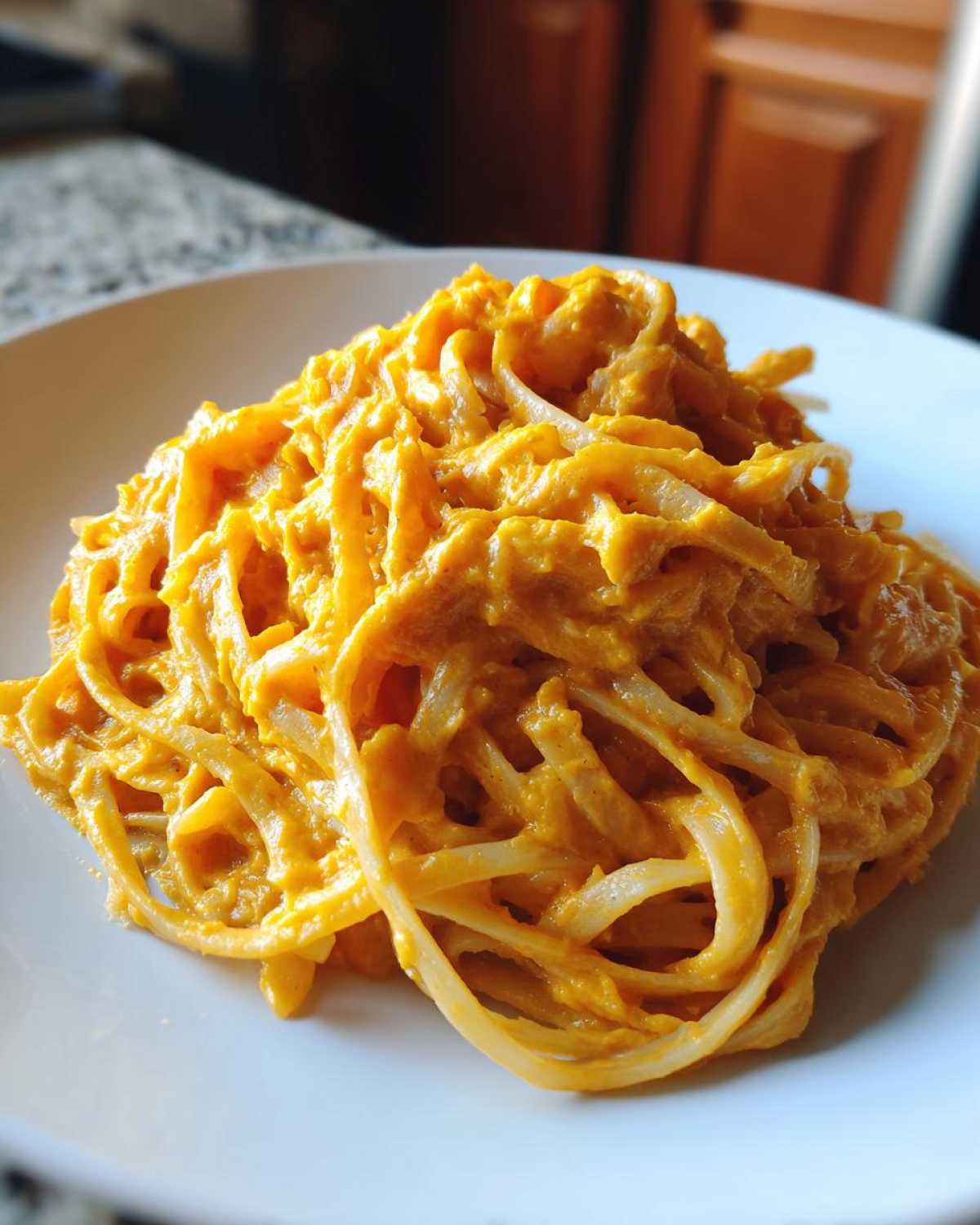
If you loved how perfectly silky this turned out—and I know you will—please consider rating the recipe right here on the page! Five stars helps other people find this amazing recipe, and your little star rating is a huge boost to me. And if you post a picture of your beautiful bowl of noodles? Tag me! I love seeing your spins on my favorite dishes.
Don’t be shy if you have questions while you’re cooking, either. Did you try grating some Parmesan over the top? Do you want advice on the best pasta to use? Drop a comment below, and let’s chat all things seasonal comfort food. Happy cooking, everyone!
Print
Creamy Roasted Butternut Squash Pasta Sauce
- Total Time: 70 min
- Yield: 4 servings
- Diet: Vegan
Description
Make a rich, creamy, and savory pasta sauce using roasted butternut squash. This recipe is easy to prepare and perfect for a comforting fall dinner.
Ingredients
- 1 medium butternut squash (about 3 lbs)
- 2 tablespoons olive oil, divided
- 1 small yellow onion, chopped
- 2 cloves garlic, minced
- 1 cup vegetable broth
- 1/2 cup full-fat coconut milk (canned, for creaminess)
- 1/4 cup nutritional yeast (optional, for cheesy flavor)
- 1 teaspoon dried sage
- 1/2 teaspoon salt
- 1/4 teaspoon black pepper
- 1 pound pasta of your choice
Instructions
- Preheat your oven to 400°F (200°C). Cut the butternut squash in half lengthwise, scoop out the seeds, and rub the cut sides with 1 tablespoon of olive oil. Place cut-side down on a baking sheet.
- Roast the squash for 35 to 45 minutes, or until fork-tender. Let it cool slightly, then scoop the flesh out of the skin into a bowl. You should have about 2 cups of squash puree.
- While the squash roasts, cook the pasta according to package directions. Reserve about 1 cup of the starchy pasta water before draining.
- In a large skillet, heat the remaining 1 tablespoon of olive oil over medium heat. Add the chopped onion and cook until softened, about 5 minutes. Add the minced garlic and dried sage, cooking for 1 minute more until fragrant.
- Add the roasted butternut squash puree, vegetable broth, coconut milk, nutritional yeast (if using), salt, and pepper to the skillet. Stir well to combine.
- Simmer the sauce gently for 5 minutes, allowing the flavors to meld.
- Transfer the sauce mixture to a blender or use an immersion blender. Blend until completely smooth and velvety. Add a splash of reserved pasta water if the sauce is too thick.
- Return the sauce to the skillet. Toss with the drained pasta. Add more pasta water, a tablespoon at a time, until the sauce coats the pasta evenly. Serve immediately.
Notes
- For a richer flavor, substitute the vegetable broth with chicken broth or use fresh sage instead of dried.
- If you prefer a dairy version, substitute the coconut milk with heavy cream or half-and-half.
- This sauce freezes well. Cool completely before storing in an airtight container for up to 3 months.
- Prep Time: 20 min
- Cook Time: 50 min
- Category: Dinner
- Method: Roasting and Stovetop
- Cuisine: American
Nutrition
- Serving Size: 1 serving (about 1.5 cups)
- Calories: 450
- Sugar: 12
- Sodium: 350
- Fat: 15
- Saturated Fat: 8
- Unsaturated Fat: 7
- Trans Fat: 0
- Carbohydrates: 70
- Fiber: 10
- Protein: 15
- Cholesterol: 0


Comments are closed.